$300B in One Quarter. AI Just Ate Venture Capital.
Q1 2026 saw $300B flow into 6,000 startups globally. Four rounds alone absorbed 63% of it. This is what a winner-takes-most market looks like in real time.
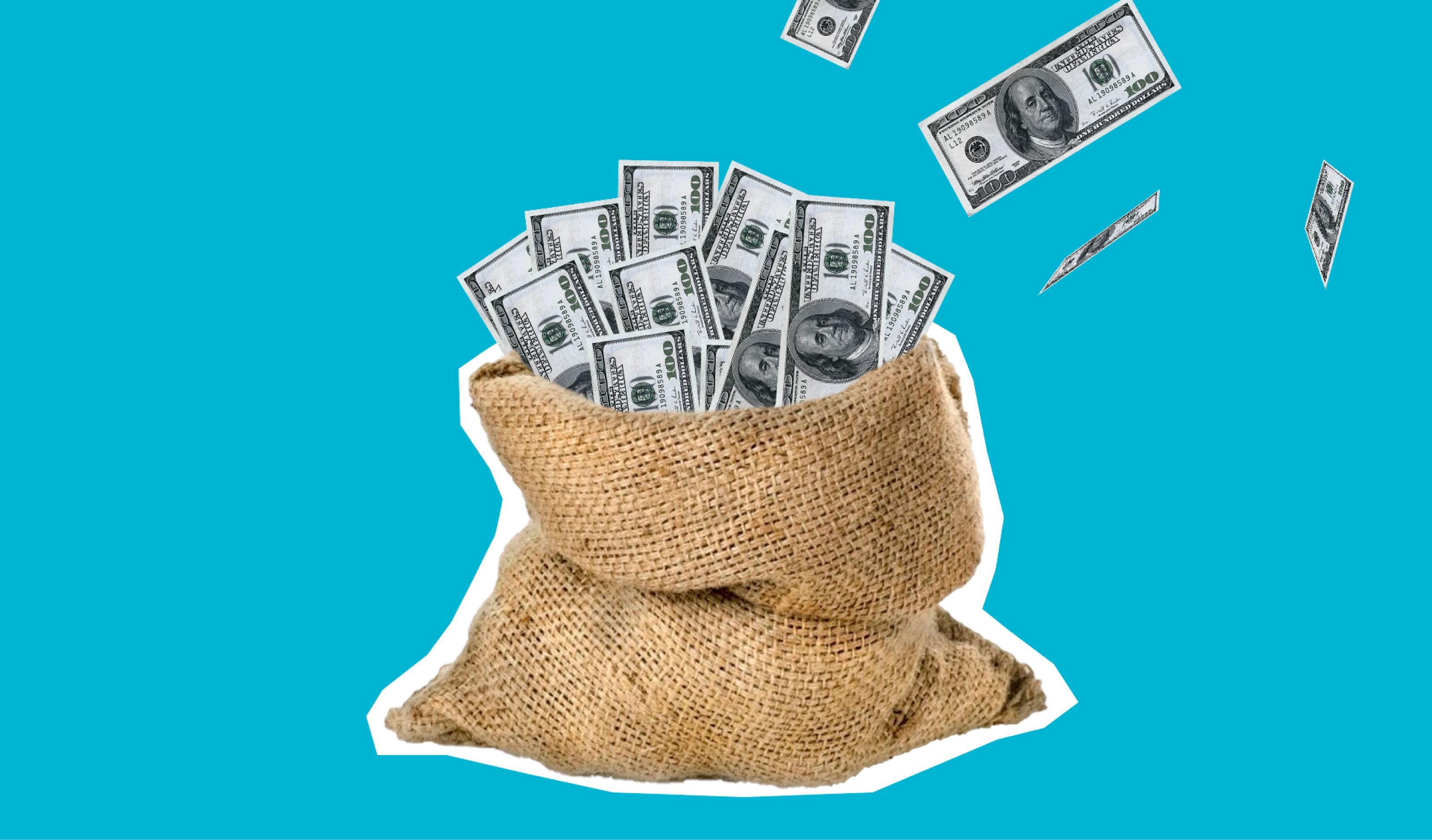
Venture capital just had its most extraordinary quarter on record, and the numbers make previous booms look like warm-up acts. Crunchbase data shows $300 billion flowed into roughly 6,000 startups in Q1 2026, up more than 150% quarter-over-quarter and year-over-year. That single quarter represents approximately 70% of all venture capital deployed across the entirety of 2025. For context, this sum exceeds every full-year global VC total recorded before 2018.
AI is not a sector anymore. It is the market. A staggering 80% of Q1 funding, roughly $242 billion, went to AI companies, surpassing the previous high of 55% set in Q1 2025. That shift is not incremental. It marks the point at which AI stopped being a category that venture capital was enthusiastic about and became the category that venture capital exists to fund. Every other sector is now competing for the remaining fifth of global capital.
The concentration at the top is unlike anything the industry has seen. Four of the five largest venture rounds ever recorded closed in Q1 2026, including OpenAI at $122 billion, Anthropic at $30 billion, xAI at $20 billion, and Waymo at $16 billion. Those four deals alone absorbed roughly $188 billion, or about 63% of all global VC in the quarter. Corporate venture capital was the dominant force behind each of them, signaling that the biggest bets on AI infrastructure are now coming from strategic balance sheets, not traditional fund structures.
For founders outside the frontier model tier, the implications cut both ways. The record quarter validates the macro appetite for AI investment and gives every pitch deck a bullish backdrop heading into H2 2026. But the capital concentration also raises a harder question: with the majority of available funding absorbed by a handful of mega-rounds, how much dry powder remains for seed and Series A companies building in AI's shadow? The U.S. captured 83% of global investment, compressing the competitive window further for non-U.S. founders raising in the same cycle.
The next 12 months will test whether Q1 2026 was a structural reset or a liquidity event masquerading as a trend. If the mega-round model holds, expect continued pressure on mid-market valuations as LPs and CVCs prioritize scale over diversification. The more likely scenario is a bifurcation: outsized capital flowing to infrastructure and foundation model plays, while applied AI startups with clear revenue models find a recalibrated but still active market. Founders who can demonstrate defensible distribution, not just technical capability, will find investor appetite has not disappeared. It has simply become more deliberate.
 The Future FrontBe on the cover.Twice a month we put the people shaping what's next on our cover.Apply for the cover