Humanoid Robots Have a Demand Problem
Humanoid supply is racing ahead of enterprise adoption in a $5T market, and the gap is becoming impossible for investors to ignore.

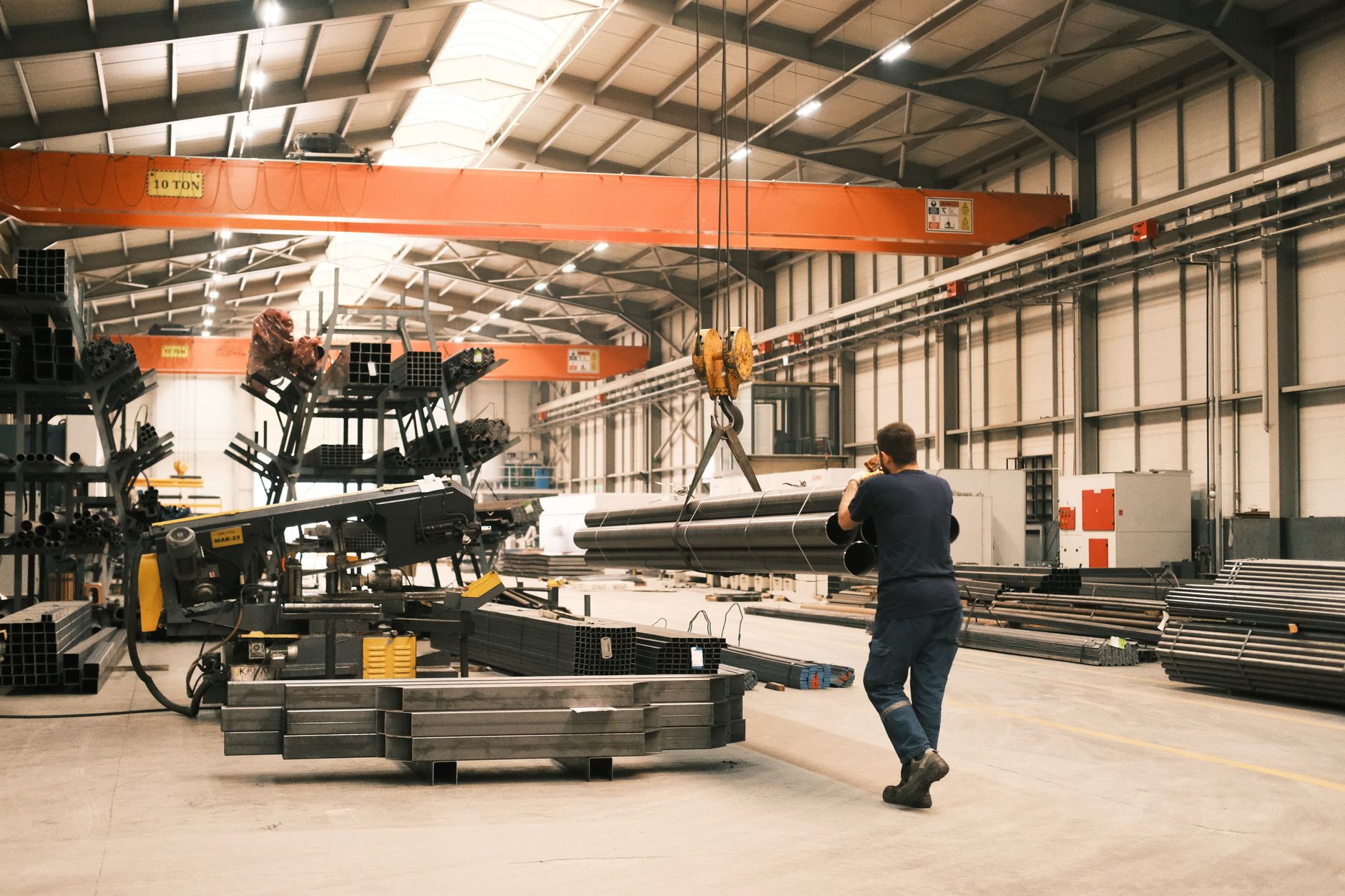
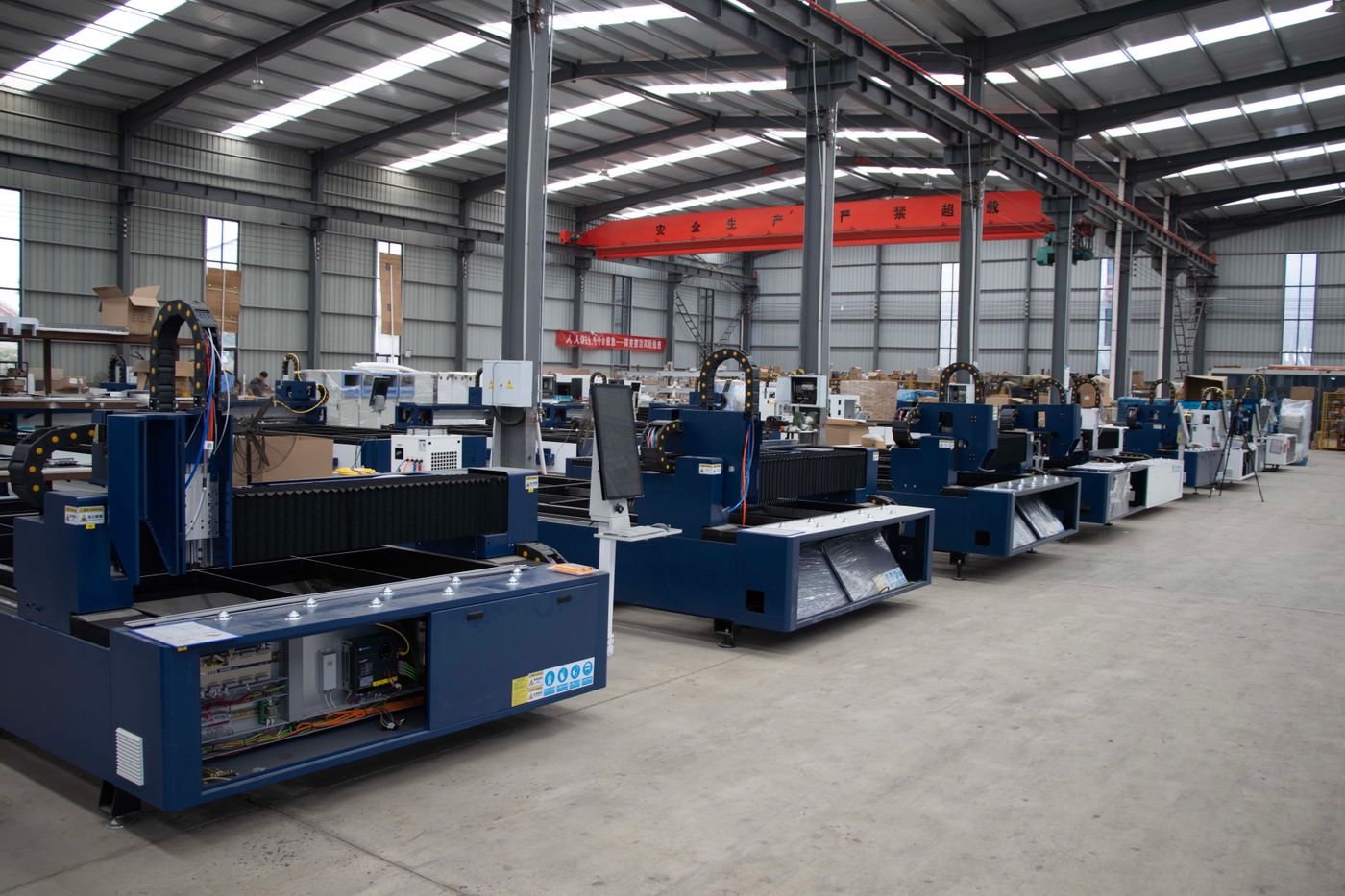
The humanoid robot market is generating one of automation's most telling contradictions of 2026: supply is outrunning demand. In a sector now valued at $5 trillion, manufacturers are shipping faster than enterprises are buying. North American manufacturers ordered 36,766 robots worth $2.25 billion in 2025, a strong baseline, but the composition of that demand tells the real story. Humanoids are not leading the charge. Autonomous mobile robots are.
The clearest proof point of where industrial automation ROI actually lives right now is Toyota's decision to deploy Agility Robotics' Digit AMRs in its Canadian plant. Toyota has been developing specialised industrial robots since the 1980s, so when it chooses to pilot a specific platform at scale, the market pays attention. This is not a press release deployment. It is a flagship validation that AMRs, not humanoids, are the technology earning trust on active factory floors in 2026.
Meanwhile, the humanoid pipeline is filling up faster than enterprise procurement can absorb. Geek+ introduced Gino 1, billed as the world's first humanoid specifically engineered for warehouse operations, and Boston Dynamics alongside Toyota Research Institute demonstrated Atlas robots using Large Behaviour Models for complex autonomous manipulation, without any manual programming. These are genuinely impressive technical milestones. But impressive demos and signed purchase orders are different things, and the gap between them is where capital goes to stall.
The broader automation market, however, is not flinching. Robot orders held steady in Q1 2026, with demand broadening notably across non-automotive industries. That resilience matters. It confirms that the humanoid oversupply story is a sub-sector correction, not a market-wide warning sign. The smart capital reading this correctly is staying long on automation infrastructure while applying sharper scrutiny to humanoid-specific bets that are priced for a demand curve that has not yet materialised.
The next 12 months will force a reckoning in humanoid funding. Startups that cannot show enterprise contracts, not pilots, not MOUs, will face down rounds or consolidation as the supply glut makes the adoption lag impossible to narrative away. The winners will be those solving specific, high-friction industrial tasks where humanoid form genuinely outperforms purpose-built alternatives. Edge AI and vision-guided systems will accelerate that sorting process. By mid-2027, the humanoid field will be smaller, sharper, and a great deal more honest about where the real demand actually sits.
 The Future FrontBe on the cover.Twice a month we put the people shaping what's next on our cover.Apply for the cover