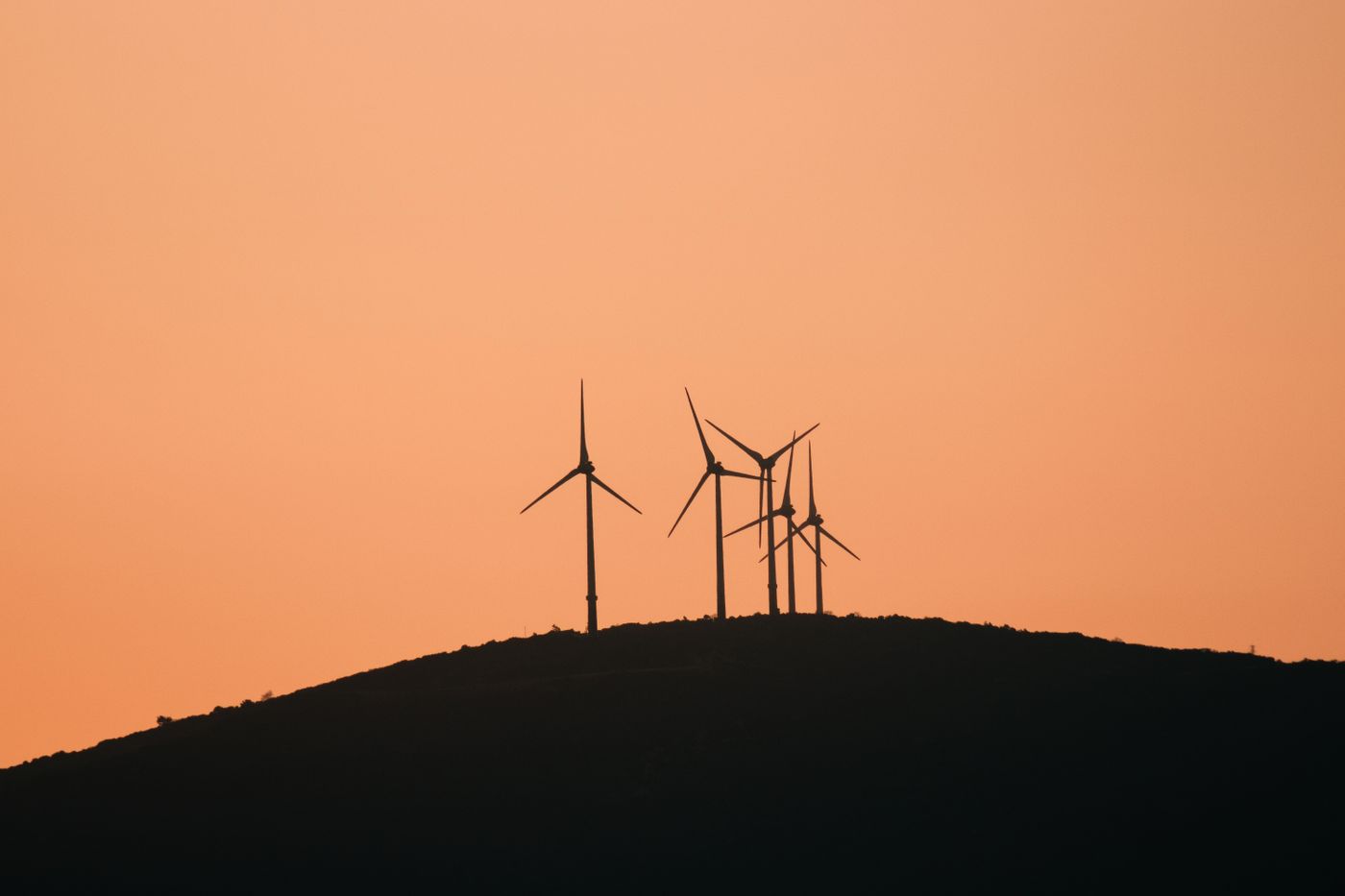
Solar Just Crossed the Point of No Return
Solar hit 2,778 TWh in 2025 and renewables just overtook gas globally. This is the inflection point founders and investors have been waiting for.

For the first time in recorded history, wind and solar generated more electricity than gas globally, a milestone confirmed in April 2026 data. Solar alone produced 2,778 TWh in 2025, a 30% year-on-year jump and the highest percentage growth the technology has posted in eight years. To put that in physical terms, the new solar generation added in a single year was enough to displace gas-fired electricity equivalent to every LNG shipment that passed through the Strait of Hormuz in 2025. This is not a trend. It is a structural shift.
The numbers have been building toward this moment for a decade, but 2026 is the year the arithmetic became undeniable. Renewables are now on track to overtake coal as the single largest source of global electricity generation before the year is out, with solar's share of the global mix projected to approach 20%, surpassing coal for the first time. Wind and solar together are expected to meet more than 90% of all new global electricity demand growth this year, effectively crowding fossil fuels out of the margin where growth decisions get made. That margin is where capital flows.
The IEA's Electricity 2026 analysis puts the current combined wind and solar share at 17% of global generation, rising to 27% by 2030. That four-year trajectory is not contingent on policy breakthroughs or technology moonshots. It is baked into already-committed capacity additions, falling module costs, and grid buildout that is already underway. Ember's Global Electricity Review 2026 confirms no meaningful gas-to-coal switching is happening globally despite energy security anxieties, which means the competitive pressure on fossil fuels is real and not being offset by a dirty energy backstop.
For founders and investors, the signal here is about where scarcity is shifting. Generation is increasingly solved. The hard, capital-intensive problems now sit in grid infrastructure, storage at scale, and system flexibility, exactly what the IEA flags as the critical bottleneck for integrating variable renewables securely. The companies building transmission software, long-duration storage, and demand-response platforms are operating in the part of the stack where the next decade of value will be created. The solar gold rush is real, but the pickaxe businesses are in grid orchestration, not panel manufacturing.
Over the next twelve months, expect solar deployment data to keep compressing the timelines analysts once thought conservative. The 27% wind and solar share projected for 2030 may arrive closer to 2028. That acceleration will stress grid operators, trigger new regulatory frameworks around curtailment and storage mandates, and create a fresh wave of procurement urgency from utilities that underestimated the pace. Founders who have grid flexibility or storage solutions ready to scale in 2027 are sitting at exactly the right place at exactly the right time.
 The Future FrontBe on the cover.Twice a month we put the people shaping what's next on our cover.Apply for the cover