Why GM Is Building Its Own Factory Robots in Indiana
Facing a $575 labor cost increase per vehicle, General Motors is deploying 20 percent more factory robots and assembling hardware in-house.
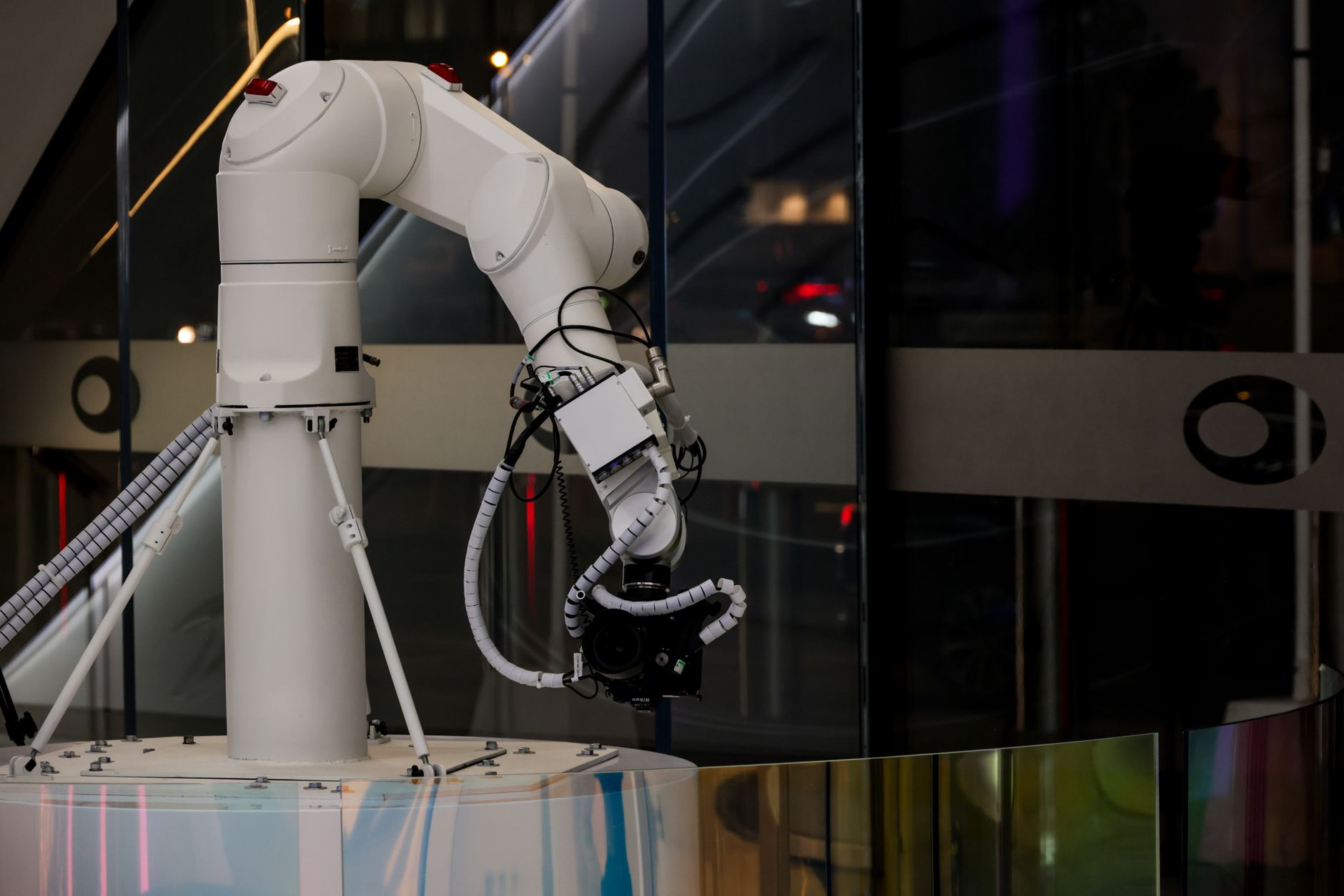
General Motors plans to increase factory automation across its North American manufacturing footprint by 20 percent by 2028, according to a report from Reuters. To achieve that aggressive baseline, the Detroit automaker is taking an unexpected step by developing and assembling its own autonomous mobile robots at its facility in Kokomo, Indiana. The previously undisclosed hardware initiative centers on autonomous mobile robots built to transport heavy vehicle components, sub-assemblies, and raw materials across complex assembly floors. By taking robot design and assembly in-house, GM aims to bypass traditional vendor markups and eliminate long integration delays while tailoring equipment specifically to its plant architecture.
The shift in capital expenditure reflects escalating structural costs across North American manufacturing facilities. Following the 2023 United Auto Workers union contract negotiations, GM publicly estimated that labor expenses rose by approximately $575 per vehicle, while rival Ford reported an added cost of roughly $900 per vehicle. At the same time, domestic automakers are absorbing higher raw material costs and expensive supply chain re-shoring initiatives driven by geopolitical shifts. Industrial automation is no longer just an incremental margin enhancer for carmakers; it has become an essential defense mechanism against rising unit costs and tightening operating margins.
To ensure these efficiency metrics cascade across its entire value chain, GM is now extending its automation mandates directly to third-party parts manufacturers. The company has begun asking suppliers bidding on new vehicle component contracts to submit comprehensive automation plans, using a specialized internal scorecard to rate supplier technical capabilities before awarding contracts. While early industrial robotics focused primarily on high-precision tasks like body welding, stamping, and painting, GM's current push targets material handling and internal logistics. The integration of autonomous mobile units targets the labor-intensive friction points between component delivery docks and active vehicle assembly stations.
GM's internal robotics development delivers a sobering signal to venture-backed enterprise automation startups and robotics integrators. Large industrial buyers are increasingly reluctant to purchase off-the-shelf hardware solutions when vendor integration fees and rigid software platforms inflate total cost of ownership. For founders and investors, this move highlights where specialized robotics vendors must differentiate: delivering adaptable software layers, superior fleet management, or specialized hardware that internal corporate teams cannot easily replicate. If enterprise clients choose to build their own baseline hardware, standalone robotics startups will be forced to pivot toward specialized software platforms and advanced spatial intelligence.
Over the next twelve months, competing automotive manufacturers and major industrial conglomerates will likely mirror GM's supplier scorecards and aggressive automation targets. The initial operational performance of GM's Kokomo-built mobile robots will serve as a critical benchmark for whether internal hardware development yields genuine long-term cost savings or generates unforeseen maintenance overhead. As wage floors remain elevated across North America, enterprise demand for autonomous material handling will expand rapidly beyond automotive assembly into electronics manufacturing and aerospace facilities. If GM demonstrates clear margin recovery from this cap-ex shift, hardware self-reliance will become the standard strategic playbook for legacy manufacturers worldwide.
 The Future FrontBe on the cover.Twice a month we put the people shaping what's next on our cover.Apply for the cover