Tekton Dynamics Brings Autonomous AI Control to Industrial Welding
London startup Tekton Dynamics creates an AI control layer that enables industrial robots to perform precise welding without manual programming.
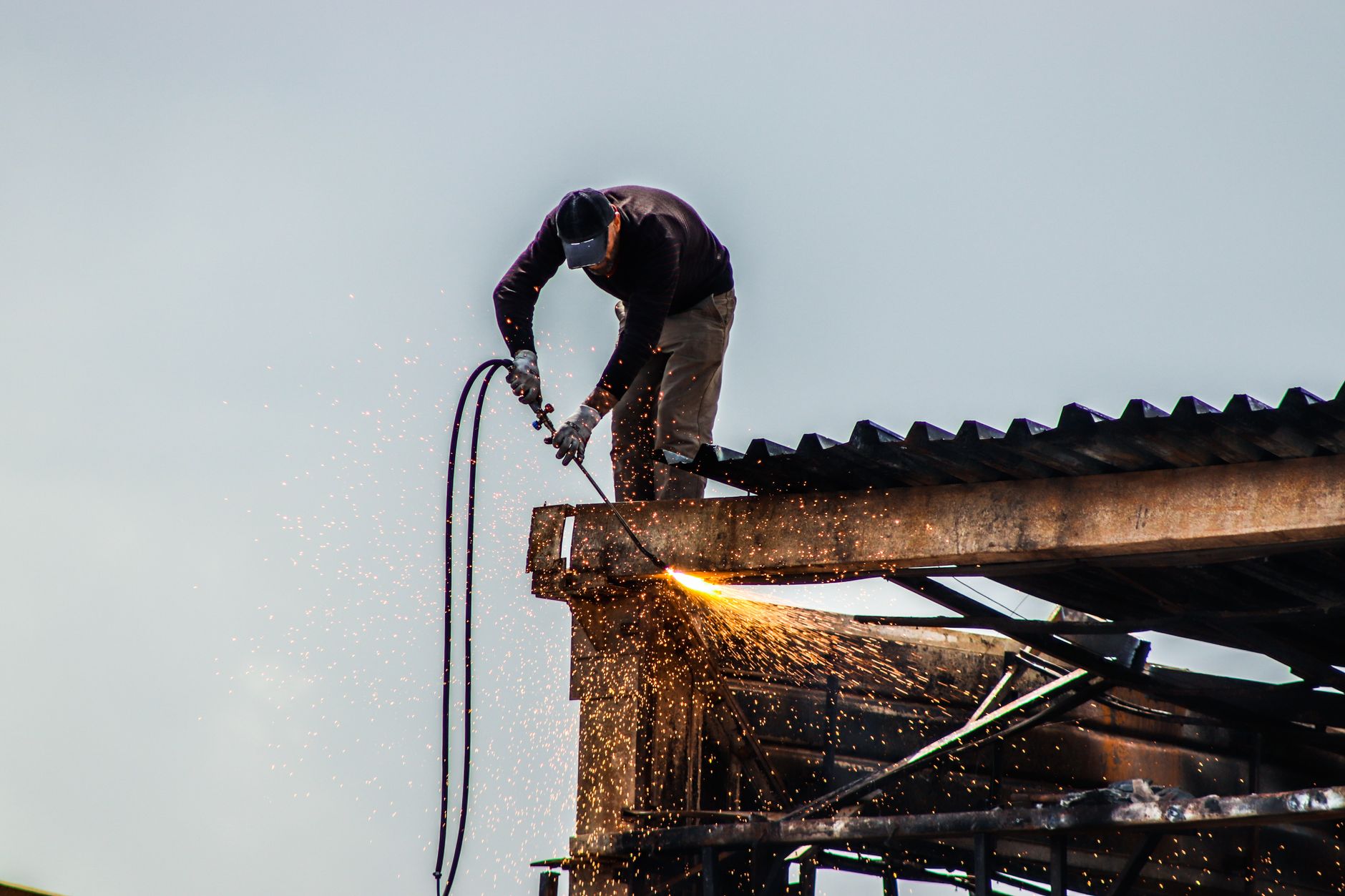
Industrial welding has long faced a critical shortage of skilled trade workers, yet traditional robotic automation remains constrained by tedious manual setup. Standard factory cells often demand specialised roboticists to spend hours using teach pendants to program every joint, making low-volume or high-mix production runs cost-prohibitive. Founded in 2023, London-headquartered Tekton Dynamics entered the manufacturing sector to eliminate this technical bottleneck entirely. Founder and Chief Executive Officer Max Ahrens, who previously led machine learning research at Oxford University funded by the Alan Turing Institute and the British Ministry of Defence, established the enterprise to bring autonomous reasoning to physical factory floors.
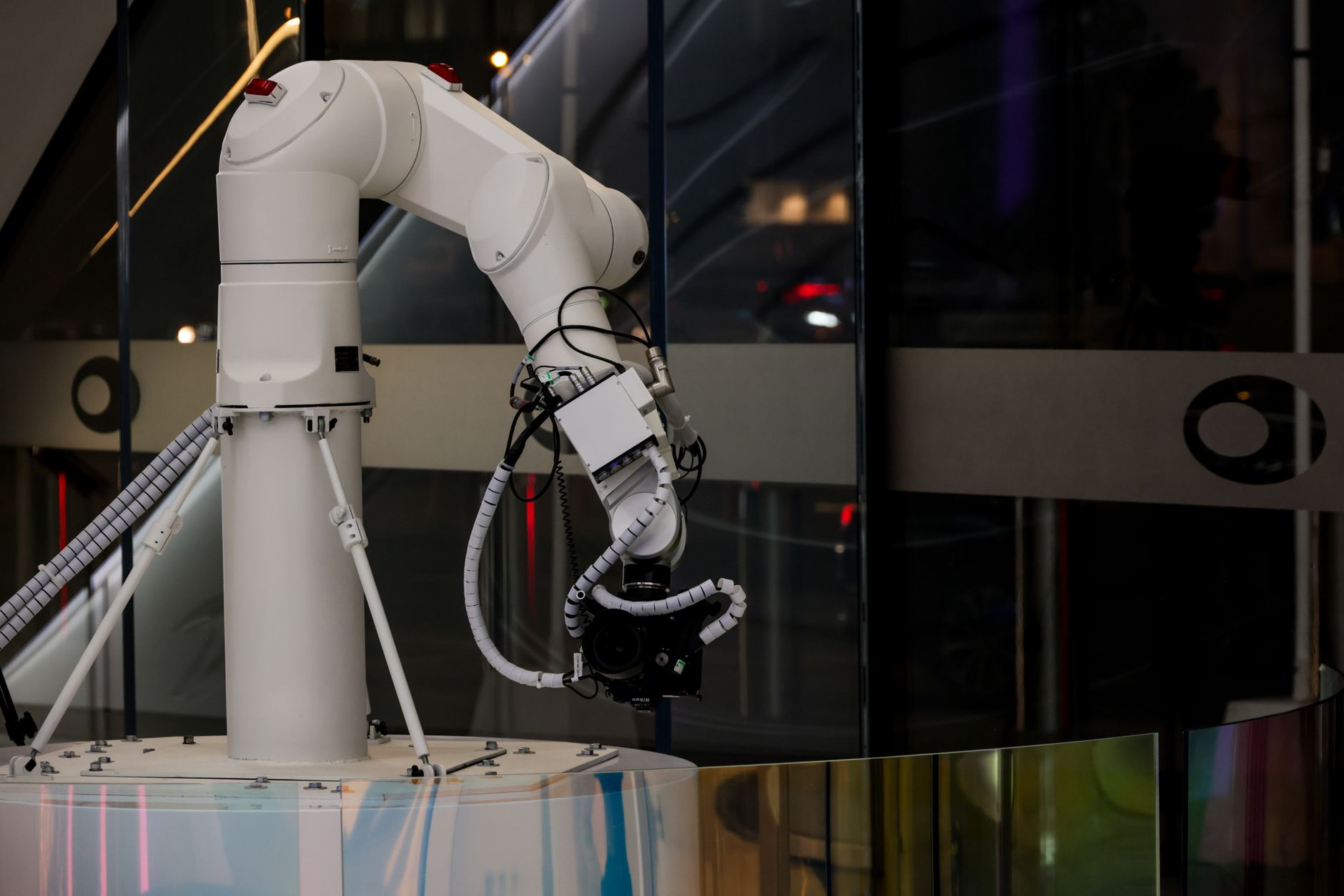
The platform developed by Tekton Dynamics functions as an adaptable artificial intelligence control layer engineered to work with existing industrial welding hardware. By combining a proprietary vision system with an on-site edge computing device, the software allows industrial machinery to inspect physical workpieces independently. The system plans precision torch paths in real time, executing complex joints with sub-millimeter accuracy while adjusting for structural variations without human intervention. Factory teams simply upload standard job files, avoiding the need for dedicated roboticists or manual teach pendant programming on every shift.
To ensure rapid adoption, the startup designed an operational deployment process that integrates with established production cells in under an hour. The installation procedure involves mounting the vision system and edge unit directly onto the robot structure before executing sample test welds. Max Ahrens built the core technical platform alongside Engineering Lead Simon White, Product Lead Joel Kang, and Robotics Lead Will Rohde. Their combined software architecture translates raw visual inputs into real-time path adjustments, allowing industrial robots to operate like expert trade welders across high-mix product lines.
The organisation accelerated its commercial development through major technical partnerships and early venture funding. In September 2026, Tekton Dynamics joined the Manufacturing Technology Centre AURA programme to expand real-world industrial testing prior to full commercial deployment. Operating from an industrial laboratory on Druid Street in London as well as an office in San Francisco, the business raised a six million dollar seed capital round. The investment round included Y Combinator, following the company's participation in the Winter 2024 accelerator batch, along with founders of PayPal, Affirm, and Slack, plus scout investments from Sequoia, a16z, Accel, and Kleiner Perkins.
Industry visibility has grown rapidly as Tekton Dynamics prepares for its showcase at Slush 2026 in Helsinki. The enterprise earned a spot in the Slush 100 semifinals, ranking within the top twenty companies selected from a pool of over fifteen hundred global applicants. As industrial facilities continue facing labour challenges on high-mix assembly lines, the firm is recruiting founding engineers to expand its core AI model. By enabling off-the-shelf robots to adapt dynamically to complex industrial tasks, the team is building the software foundation for autonomous manufacturing.
Find out more at tekton-dynamics.com
 The Future FrontBe on the cover.Twice a month we put the people shaping what's next on our cover.Apply for the cover