Upcycling Fruit Waste into Plant Based Leather in Osaka
PEEL Lab transforms pineapple leaves and fruit peels into sustainable leather alternatives for corporate brands.
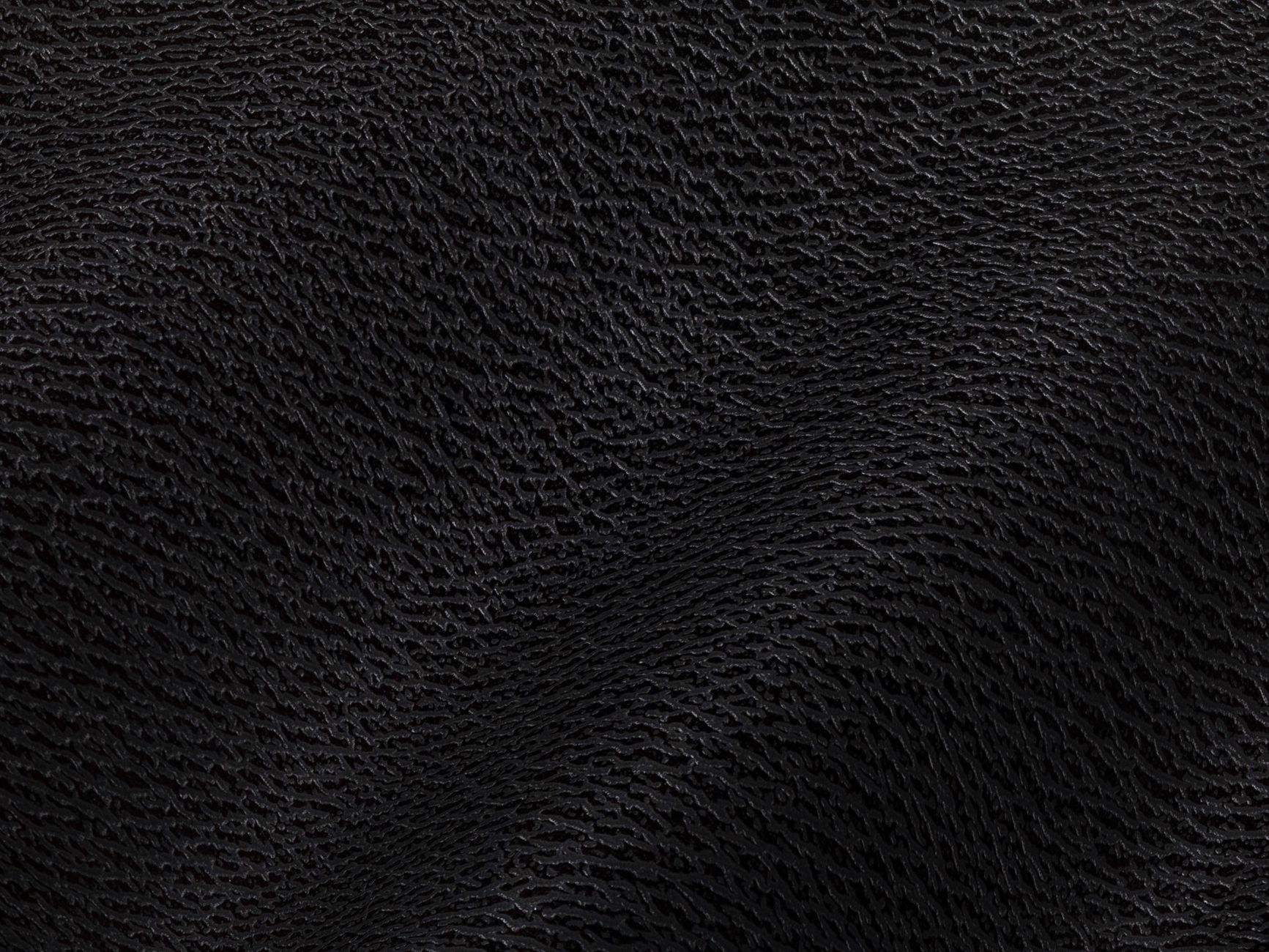
Traditional leather manufacturing carries a heavy environmental footprint, consuming massive quantities of water while generating toxic chemical runoff from industrial processing. At the same time, millions of tonnes of agricultural waste and discarded fruit peels end up in landfills every year, releasing harmful greenhouse gases into the atmosphere. Founded in Osaka, Japan, in 2021, PEEL Lab was created to tackle these twin challenges directly. Led by Chief Executive Officer Jim Huang, the startup upcycles leftover agricultural materials into high-performance, plant-based leather for commercial brands.
The company built its operations around three clear objectives: reducing food loss, preventing animal cruelty, and mitigating global warming. Conventional leather processing often relies on harsh chemicals that present serious long-term health risks to tannery workers. PEEL Lab addresses this issue by using low-impact raw materials sourced from agricultural producers with verified eco-friendly credentials. The resulting process protects factory workers from toxic exposure while ensuring that all finished textiles remain completely cruelty-free.
To accelerate corporate adoption across global markets, the startup operates a comprehensive B2B platform rather than acting solely as a raw material vendor. Organizations across fashion, automotive, and interior design can utilise PEEL Lab for full-range design, sourcing, and manufacturing services. This turnkey model enables corporate partners to design customised products using pineapple leather without rebuilding their supply chains from scratch. By providing end-to-end guidance, the business makes low-carbon material integration straightforward for established brands.
The measurable impact of this upcycling model demonstrates the practical viability of alternative textiles. Manufacturing the firm's iconic pineapple leather redirects 180 kilograms of discarded pineapple leaves from landfills while avoiding 1,500 kilograms of carbon dioxide emissions. In 2022, the company successfully manufactured 800 metres of pineapple leather, showing that agricultural waste can be converted into scalable commercial stock. Every piece undergoes a meticulous design and inspection process to ensure it matches the standards expected by premium clients.
Financial and institutional support has helped propel the startup beyond its initial trials. PEEL Lab has secured investment from prominent programmes and funds, including Accelerating Asia, HEC Paris, the HEC Paris Incubator, and Global Hypergrowth Tokyo. This backing has allowed the company to refine its material formulations, expand its regional operations, and deepen its partnerships with agricultural suppliers across Asia.
Looking ahead, the Osaka startup is preparing to present its circular manufacturing model on an international stage at Web Summit 2026. As corporate sustainability mandates become stricter worldwide, demand for ethical, low-emission material alternatives continues to rise. Jim Huang and his team plan to broaden their selection of fruit-based leathers, showing that waste products can become valuable resources for modern industry.
Find out more at peel-lab.com
 The Future FrontBe on the cover.Twice a month we put the people shaping what's next on our cover.Apply for the cover