Southeast Asia Rooftop Solar Pushes Grid Software Limits
Five nations pledged to double global rooftop solar by 2030, creating an urgent software bottleneck for grid management and virtual power plants.
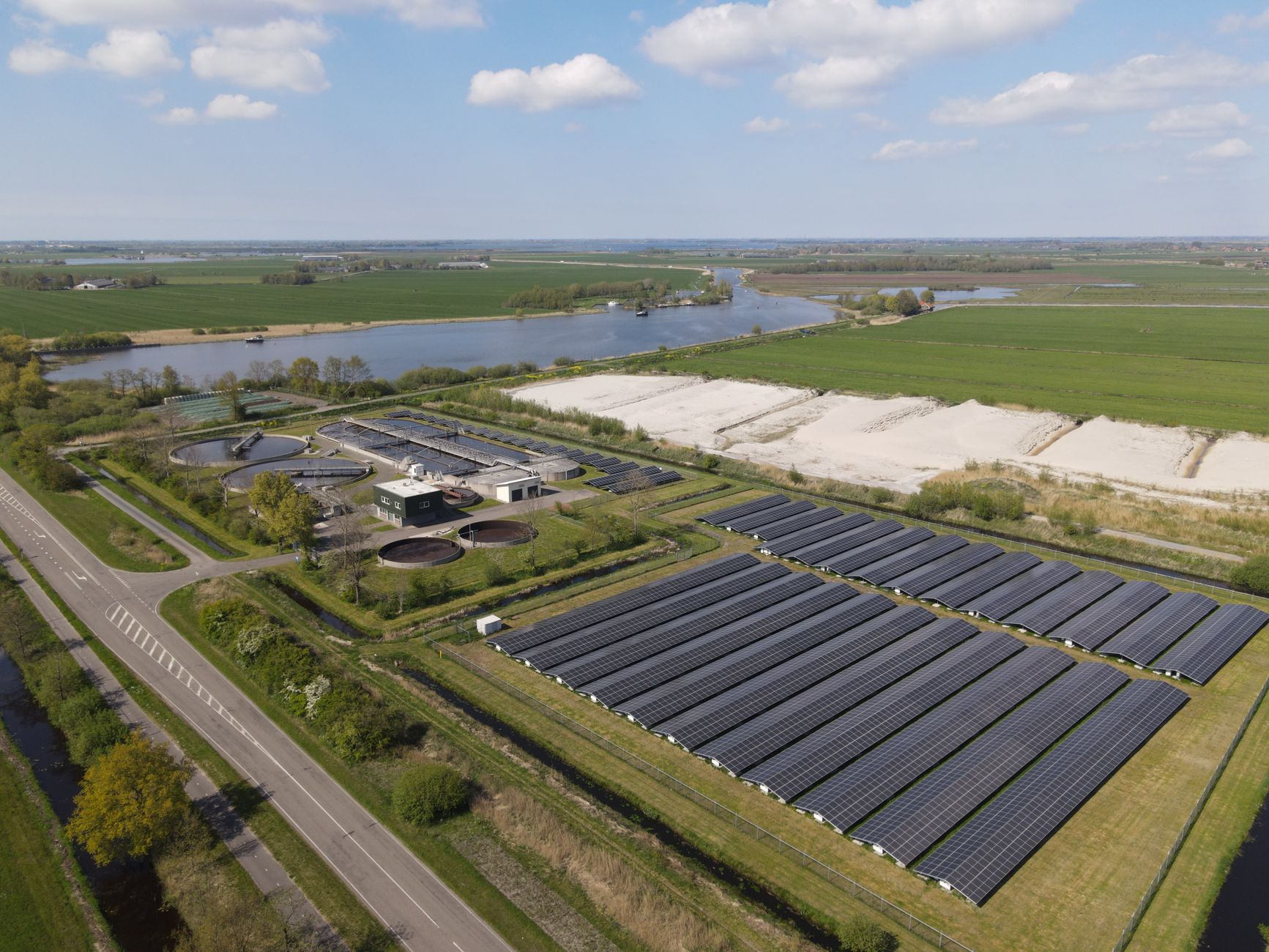
At the UN COP31 climate summit, five developing nations committed to the Global Rooftop Solar Declaration, an international pledge to double home installations from 150 million to at least 300 million by 2030, according to PBS News. The move follows global energy statistics showing renewable sources generated over a third of world power last year, officially surpassing coal for the first time in modern history. Headlining the summit commitments, Indonesia promised to deploy 100 gigawatts of solar capacity by 2029 to anchor its long-term industrial energy strategy. This fast pivot toward distributed power generation is re-architecting clean energy adoption across high-growth developing economies. It demonstrates that emerging markets are bypassing traditional centralized grid models in favor of localized generation.
The sudden acceleration in decentralized solar adoption across Southeast Asia is driven by immediate fuel security demands. Recent global geopolitical conflict and the prolonged closure of the Strait of Hormuz forced energy-hungry Asian economies into energy triage, exposing their vulnerability to volatile fossil fuel supply lines. In response, Thailand and Vietnam introduced consumer subsidy programs for residential rooftop solar to build localized grid resilience against future global supply shocks. Concurrently, export data shows the Philippines became the second-largest destination for Chinese solar equipment in the first quarter of 2026. Regional governments now view rooftop solar panels not merely as a decarbonization tool, but as the fastest path to energy sovereignty.
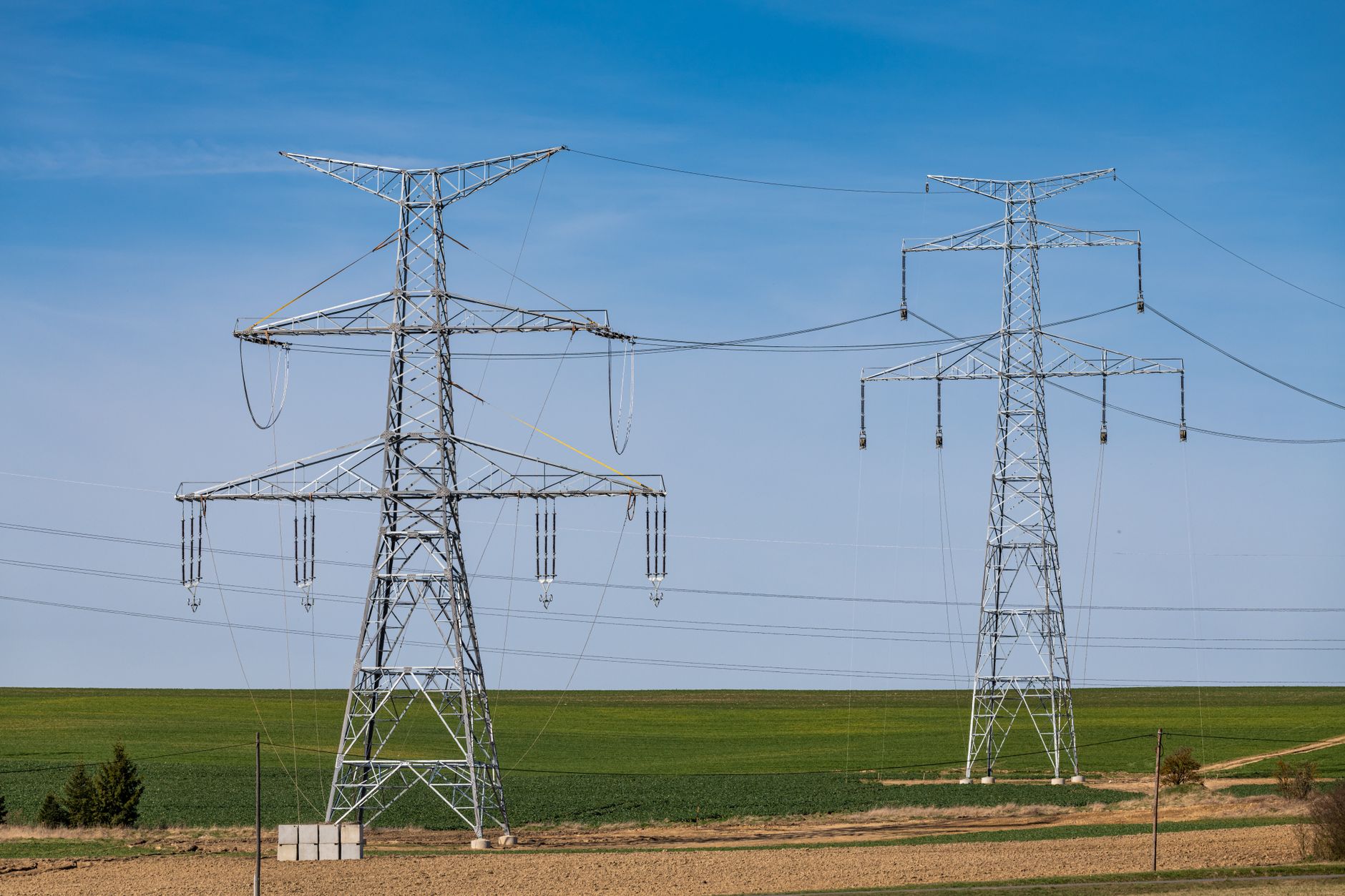
Connecting millions of small, variable power generators into legacy transmission systems creates operational friction for regional utility providers. Traditional distribution grids were engineered for predictable, one-way electricity flow from central power stations directly to end consumers, not continuous multi-directional feedback from millions of rooftops. Analysis published during COP31 emphasizes that non-binding international pledges will stall unless national governments establish clear policies for consumer subsidies and grid interconnection standards. Without advanced grid-edge monitoring, high concentrations of residential solar lead to local voltage destabilization, transformer stress, and economic curtailment. Solving these balance issues requires real-time telemetry, automated demand response, and intelligent distributed battery storage.
This technical bottleneck creates a compelling market opportunity for climate tech founders and enterprise software investors. While panel manufacturing and hardware supply chains have significantly lowered equipment costs, the software layers required to coordinate distributed energy resources remain underdeveloped. Investment capital is shifting toward virtual power plant platforms, smart inverter management software, and predictive load-balancing algorithms that unify rooftop systems into dispatchable utility assets. Founders who build scalable microgrid orchestration platforms and automated energy trading software are gaining leverage with regional utilities seeking immediate grid stabilization solutions. The primary value capture in clean energy is shifting from solar hardware production to grid-edge software intelligence.
Over the next 12 months, state-owned utility operators in Indonesia, Vietnam, and Thailand will roll out formal requests for proposals for enterprise grid-edge orchestration software. Startups offering turn-key virtual power plant capabilities and edge AI telemetry will land crucial commercial pilot programs across major Southeast Asian metropolitan centers. Technical standards for inverter communications, battery storage dispatch, and automated metering will become mandatory criteria in public energy infrastructure bids. As national utilities work to integrate hundreds of gigawatts of new distributed solar capacity, software platforms that balance localized power flows will become indispensable elements of regional energy infrastructure.
 The Future FrontBe on the cover.Twice a month we put the people shaping what's next on our cover.Apply for the cover