Agrivoltaics Math Proves Solar and Crops Can Coexist
Project Drawdown data shows converting one percent of agricultural land to solar yields 21 petawatt-hours while boosting water efficiency by 300%.
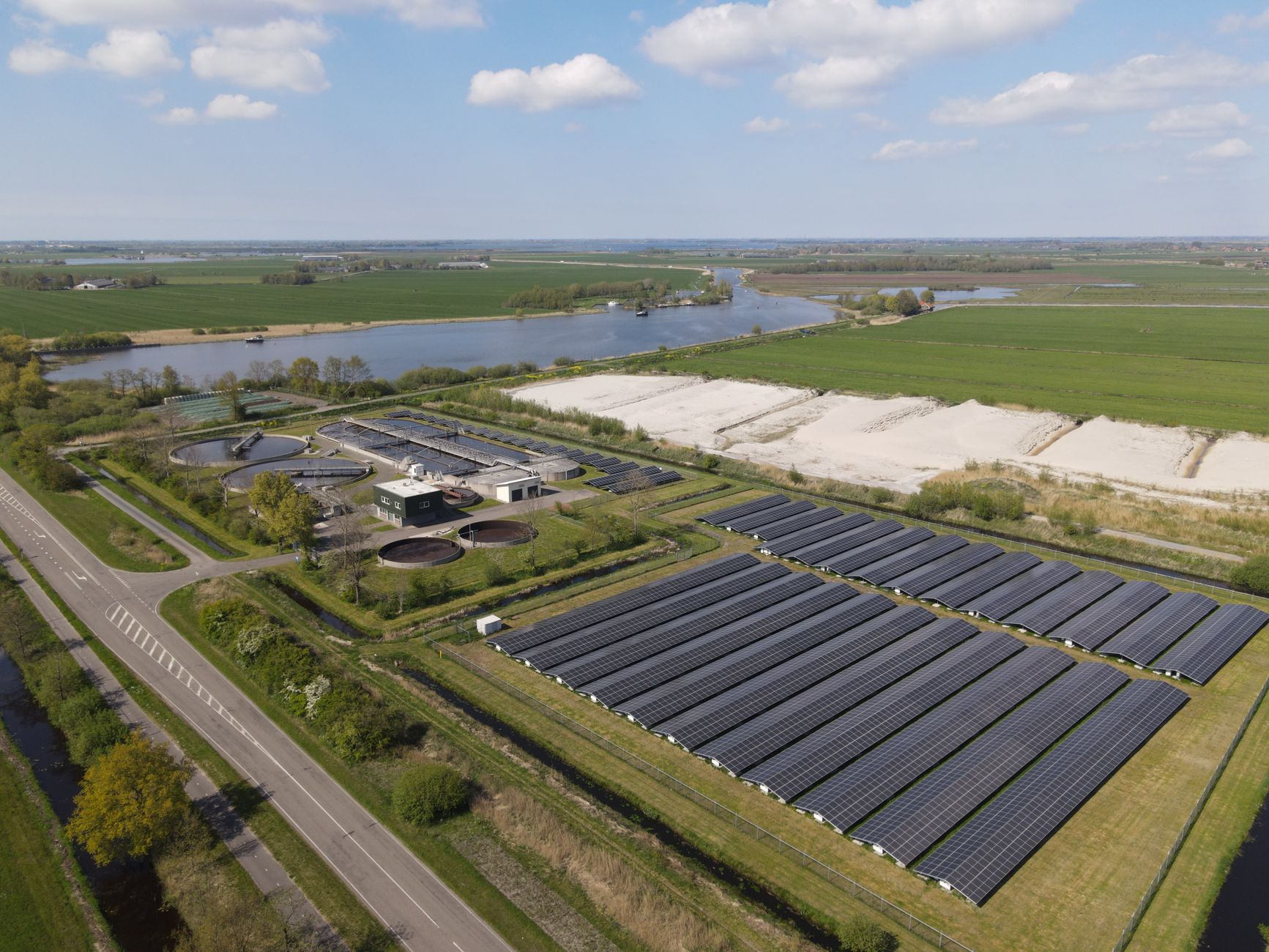
Deploying solar panels across just one percent of global agricultural land could generate 21 petawatt-hours of electricity per year, according to a new quantitative analysis released by Project Drawdown. That annual output matches total global electricity consumption recorded in 2019, proving that rapid renewable energy deployment does not require sacrificing arable land. Rather than forcing a choice between food security and clean power, dual land use allows both sectors to scale concurrently on the same footprint. The modeling transforms what was once treated as a land-use conflict into a quantitative efficiency calculation for project developers and landowners.
For years, utility-scale solar developers have encountered rising friction from local communities and agricultural groups concerned about losing prime farmland. Standard photovoltaic farms typically strip topsoil, restrict physical access, and remove working acreage from agricultural production for up to three decades. Agrivoltaic design eliminates this trade-off by elevating solar modules, widening row spacing, and utilizing tracking hardware that allows tractors, livestock, and crop workers to operate safely beneath the panels. By integrating crop production with power generation, agricultural operators establish a steady secondary revenue stream that protects farm finances from severe weather events and volatile commodity pricing.
The physical interactions between crops and panels generate measurable operational advantages beyond raw megawatt-hours. Elevated solar modules create dynamic microclimates that moderate extreme ground temperatures and reduce evapotranspiration, improving farm water-use efficiency by 150 to 300 percent compared to traditional open fields. Project Drawdown estimates that dual-use configurations raise total land-use efficiency by up to 200 percent when evaluating joint agricultural and energy outputs. In arid farming regions, this deliberate shading preserves vital soil moisture, reduces irrigation expenditures, and protects sensitive crops during extreme heat conditions.
For climate tech founders and venture investors, these empirical findings signal a substantial expansion in dedicated hardware and software categories. Standard utility solar equipment is rarely optimized for working fields, creating an immediate market for specialized high-clearance trackers, heavy-duty mounting hardware, and bifacial modules engineered to capture reflective light from crop canopies. On the software side, startups are developing specialized design software and dynamic tilting algorithms that balance crop light requirements against grid power prices in real time. Capital will increasingly flow toward technology providers that can reduce the installation complexity and capital costs of dual-use systems.
Over the next twelve months, policy structures and institutional capital will accelerate the commercial adoption of agrivoltaic systems across key agricultural hubs. State legislatures and federal agencies are drafting targeted permitting pathways and tax credits designed specifically to reward dual-use land projects. As conventional solar developers face severe grid connection delays and local zoning bans on utility farms, joint ventures with agricultural operators offer an unobstructed route to project approvals. The venture-backed startups that master farm-grid integration, low-impact installation techniques, and automated crop microclimate monitoring will capture dominant market share in rural clean energy infrastructure.
 The Future FrontBe on the cover.Twice a month we put the people shaping what's next on our cover.Apply for the cover