The Solar Land Rush Is Forcing a Green Truce
Renewable developers are running out of easy land, forcing a lucrative shift toward dual-use agrivoltaics and ecosystem restoration.
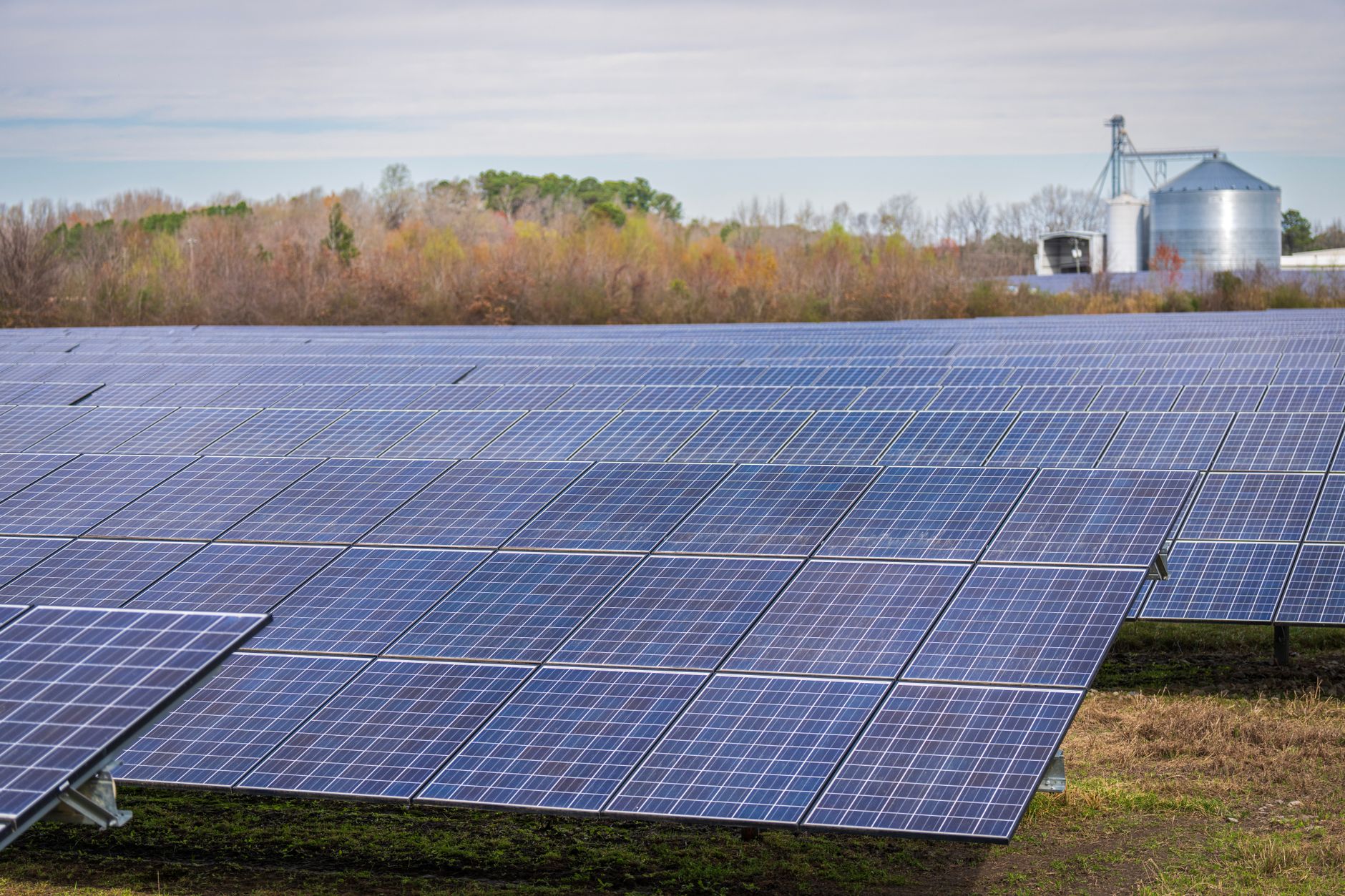
The global transition to clean energy requires an unprecedented amount of physical space, and this land grab is triggering intense local pushback. In the United States alone, utility-scale solar installations could occupy over 10 million acres by 2050, putting energy developers on a direct collision course with food production and native ecosystems. This escalating friction is driving a major pivot toward dual-use infrastructure. Developers are discovering that clean energy projects must actively heal the ground they occupy to survive regulatory scrutiny.
Historically, utility-scale solar meant grading the earth, stripping native vegetation, and fencing off vast tracts of land. This blunt-force approach is no longer viable as grassroots resistance delays projects, kills permits, and drives up capital costs. Modern developers are turning to agrivoltaics, the practice of co-locating solar panels with active agriculture. By elevating panels to allow crops to grow and livestock to graze beneath them, energy companies are transforming from perceived land-grabbers into valuable partners for rural communities.
The financial momentum behind this spatial shift is accelerating rapidly. The global agrivoltaics market is projected to reach 13.10 billion dollars in 2026, on track to balloon to over 108 billion dollars by 2035 according to recent market analysis. Beyond active farms, developers are targeting heavily degraded environments, such as closed coal mines in South Africa, to host massive solar arrays that fund local soil remediation. Early research shows that the shade from elevated panels reduces water evaporation by up to 40 percent, turning arid solar sites into moisture-retaining microclimates.
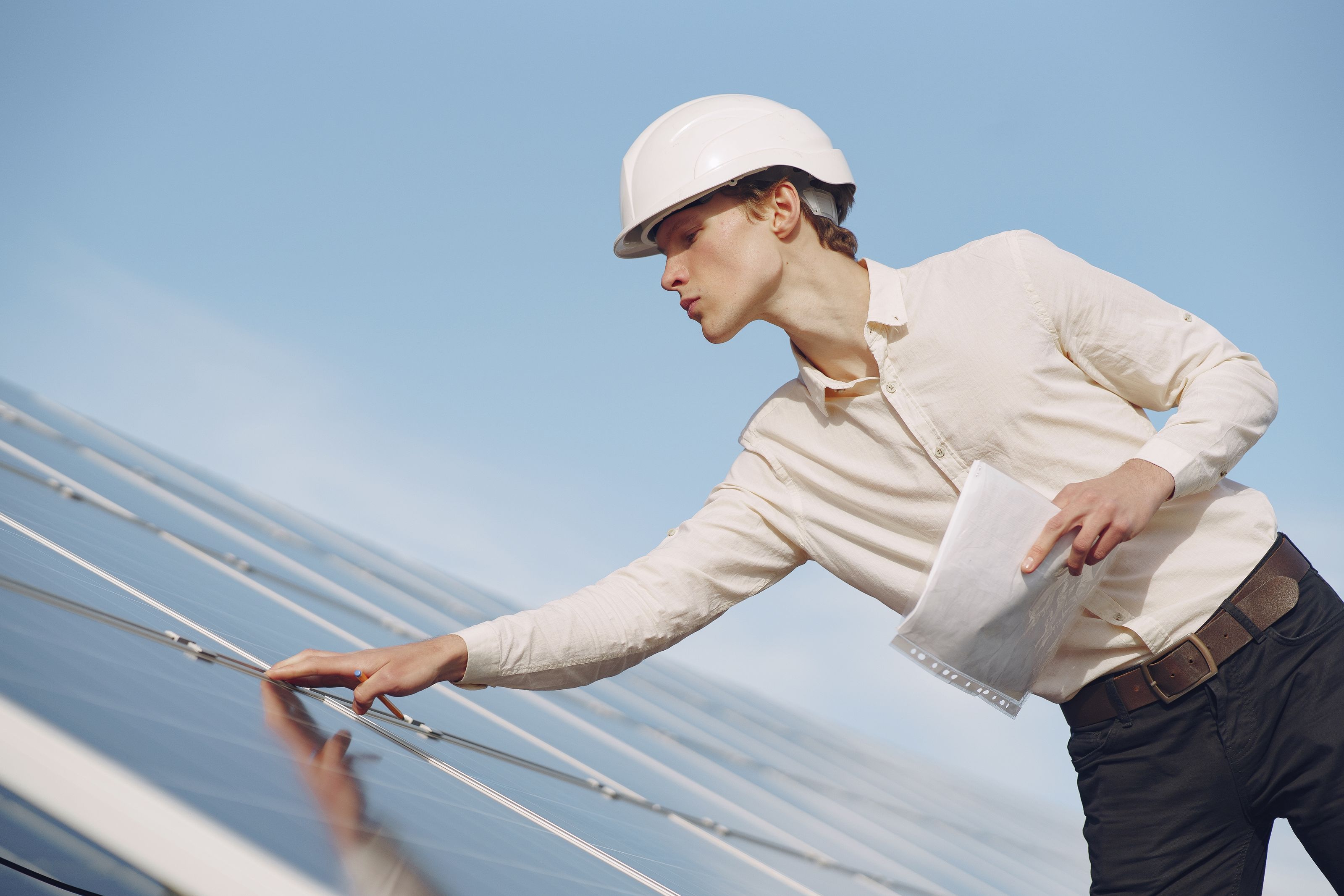
For venture capitalists and climate tech founders, this spatial crisis represents a massive commercial frontier. Project success is no longer just about buying the cheapest photovoltaic panels, but engineering smart dual-use systems. Startups specializing in automated trackers that adjust panel angles for optimal crop light, or integrated water-harvesting systems, are securing premium valuations from climate funds. Investors are realizing that projects built with ecological restoration baked into the design face far fewer local lawsuits and secure faster grid connection times.
Over the next twelve months, expect regulatory mandates to turn these voluntary dual-use practices into standard industry requirements. European nations are already leading this shift, with Germany and France introducing dedicated subsidy categories for integrated installations. As governments begin to tie grid access directly to biodiversity and land preservation metrics, developers who treat land restoration as a core feature will dominate. The future of utility-scale energy belongs to those who treat soil as an asset to be nurtured, not just a platform to build on.
 The Future FrontBe on the cover.Twice a month we put the people shaping what's next on our cover.Apply for the cover