The Energy Transition Is Fracturing. Bet on It.
BloombergNEF's 2030 roadmap reveals a $2.3 trillion transition fracturing into regional blocs, and the asymmetry is exactly where the opportunity lives.
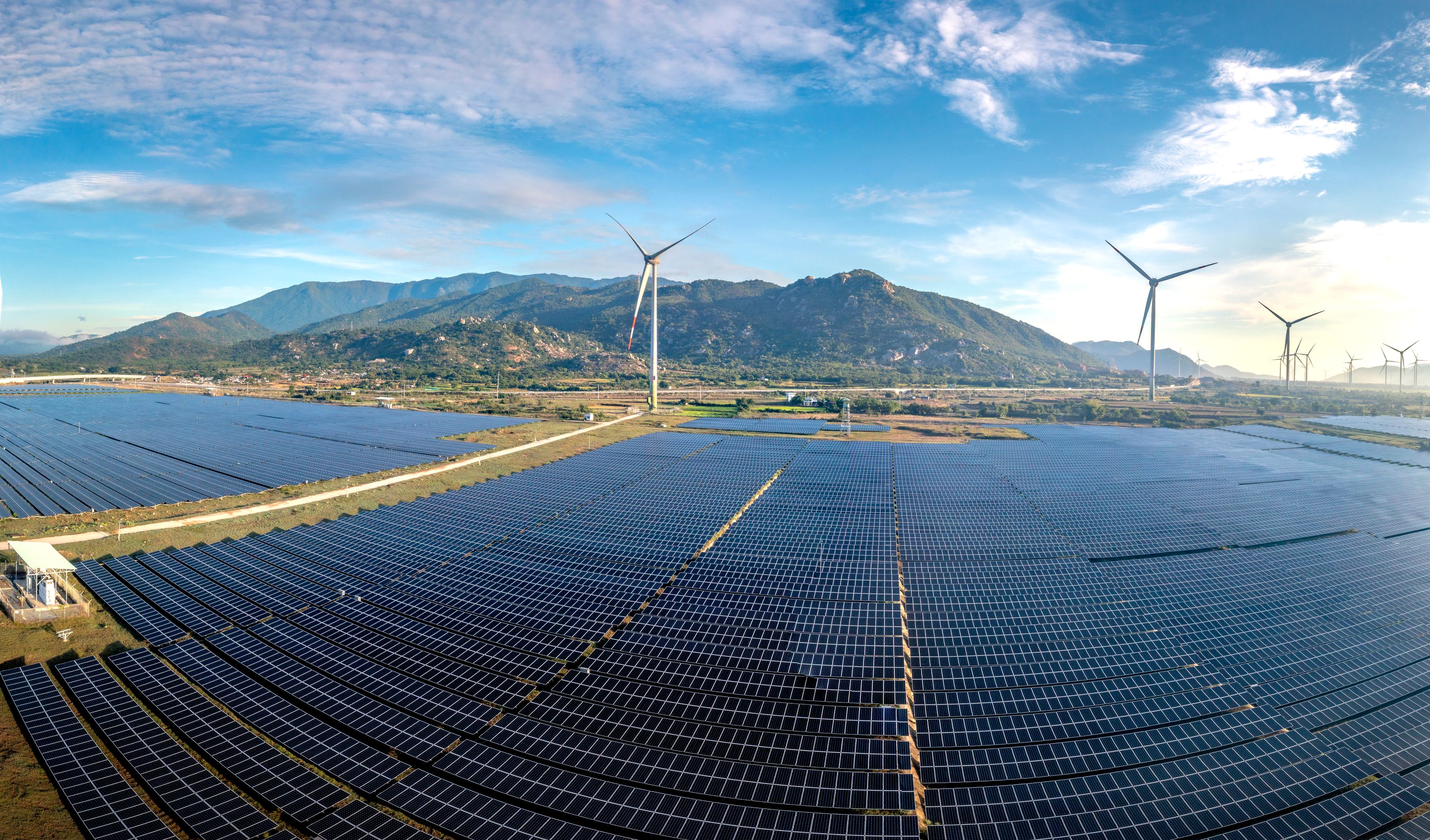
Global clean energy investment hit a record $2.3 trillion in 2025, up 8% from the year before. That number sounds like consensus. It is not. Beneath the headline, the energy transition is splintering into competing regional blocs shaped by industrial policy, trade barriers, and geopolitical rivalry. BloombergNEF's forward-looking 2030 roadmap is the clearest map of that fracture, and for founders and investors still treating the transition as a single global market, it is a sharp correction.
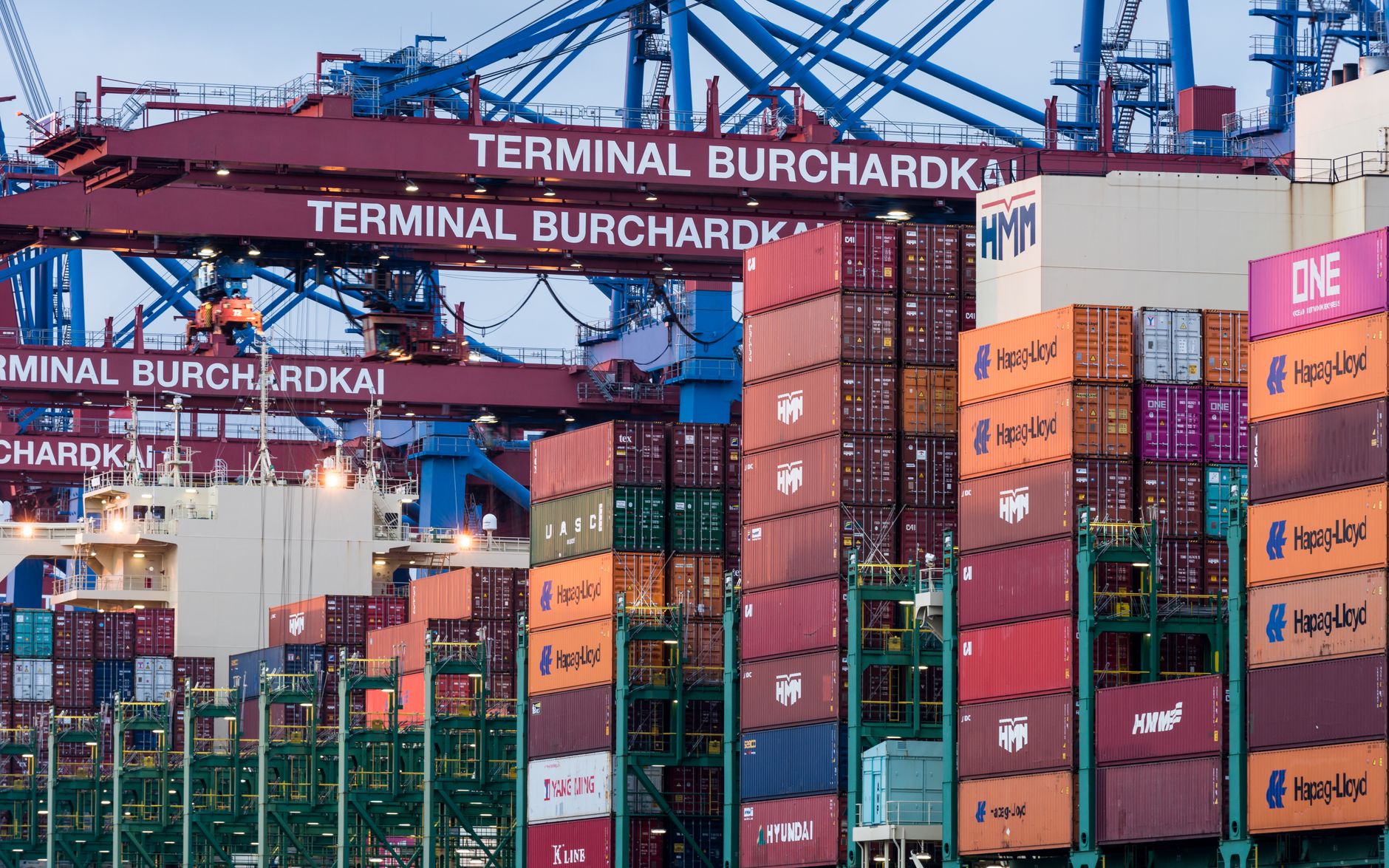
The fragmentation is structural, not cyclical. The US Inflation Reduction Act, the EU's Green Deal Industrial Plan, and China's state-directed manufacturing dominance are pulling capital in different directions, rewarding proximity and penalizing cross-border exposure. Project developers who once assumed global arbitrage on equipment costs and financing are now navigating a patchwork of incentive regimes, local content requirements, and supply chain restrictions. The rules of the game have changed, and they will not revert.
Despite that fragmentation, BNEF's Economic Transition Scenario projects $2.887 trillion in additional energy transition investment between 2026 and 2030, implying roughly 25% growth over the rest of the decade. That is the base case, not the optimistic one. More striking is the hydrogen signal: annual low-carbon hydrogen supply is projected to grow 30-fold by 2030, reaching 16.4 million tonnes from just 0.5 million today. Yet that still falls short of national targets, which collectively aim for 34.2 million tonnes per year. The gap between trajectory and ambition is not a failure story. It is a market map for where capital is still needed.
The highest-value problem spaces are not in generation anymore. Grid modernization and AI-driven power demand have emerged as the critical bottlenecks between now and 2030. Data centers are pulling gigawatts faster than transmission infrastructure can accommodate, and the backlog of grid interconnection requests across the US and Europe now runs into the trillions of dollars of stranded project value. Founders solving for grid flexibility, long-duration storage, and intelligent load management are operating in the single most constrained, highest-urgency layer of the entire transition stack.
The next 12 months will sharpen the regional divergence considerably. US policy uncertainty post-election will force capital into faster decisions on domestic versus offshore positioning. European grid operators will begin publishing updated interconnection timelines that will either validate or collapse a wave of pending renewable projects. And the hydrogen ramp will face its first real commercial stress test as early production facilities come online against demand signals that remain thin. Investors who read the fragmentation as noise will be wrong. Those who read it as structure will find the decade's best asymmetric bets sitting inside it.
 The Future FrontBe on the cover.Twice a month we put the people shaping what's next on our cover.Apply for the cover