2026: The Warehouse Robotics Reckoning
Early adopters are done being impressed. In 2026, warehouse robotics vendors must prove consistent, measurable performance or face the write-off.
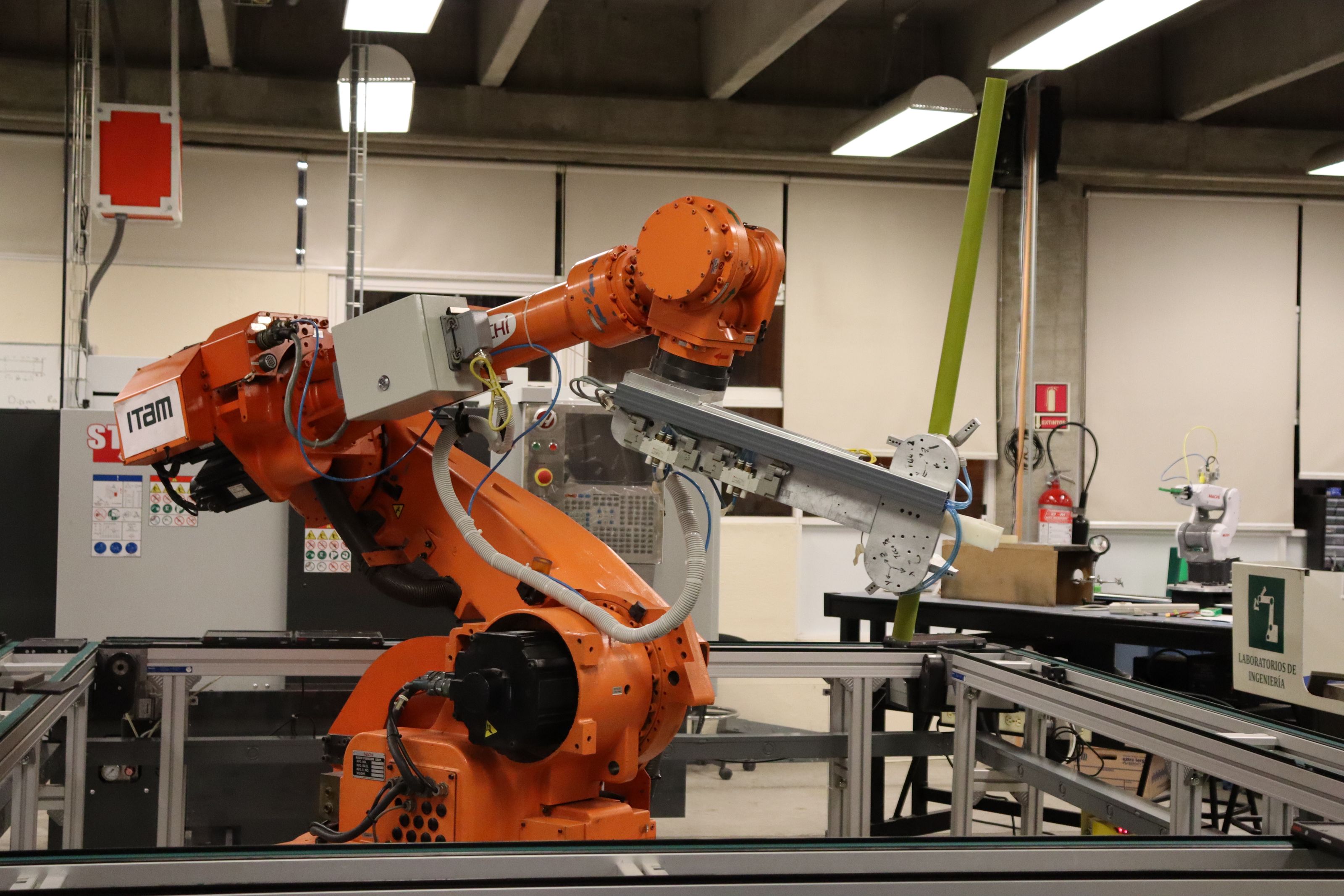
The warehouse robotics market is hitting a wall it built itself. After years of aggressive growth projections and headline deployments, early adopters are no longer asking whether robots can work inside a warehouse. They are asking whether they work reliably, consistently, and at a cost that actually justifies the capital outlay. That shift in question is everything. It separates a maturing market from a hype cycle, and in 2026, vendors caught on the wrong side of that line will feel it fast.
The momentum behind robotics has never been stronger, but so too are the expectations. Buyers who moved early on automation are now sitting on data. They have run cycles, measured throughput, tracked failure rates, and compared promised capacity against deployed reality. Researchers tracking this gap, what some are calling the delta between projected and actual performance, note that when it widens, the consequences are not just operational disappointment. They compound into what amounts to a dependency tax, where organizations are locked into underperforming systems while still paying for the infrastructure built around them.
Software testing has emerged as the unglamorous but decisive frontier. Warehouse robots do not fail because the hardware breaks. They fail because the software governing pick accuracy, navigation logic, and exception handling has not been validated against real-world edge cases. The rise of AI testing platforms, several of which raised funding rounds in early 2026, reflects a growing recognition that the validation layer is where reliability is actually built or lost. Leading vendors are now under pressure to show structured quality assurance processes, not just demo floor performance numbers.
For investors, this creates a clear portfolio sorting event. The vendors who survive consolidation will be those with provable, repeatable performance metrics and transparent Robotics-as-a-Service pricing that accommodates real operational variability, including seasonal demand swings. Capital efficiency is no longer a secondary consideration. Founders who raised on raw automation capability now need to demonstrate they can deliver consistent unit economics at scale. The category leaders of 2027 are being determined right now, not by who deploys the most robots, but by who can prove those robots perform.
The next twelve months will accelerate consolidation faster than most expect. Buyers will increasingly demand third-party validation benchmarks before signing multi-year contracts, and the RaaS model will become the default commercial structure precisely because it forces vendors to share performance risk rather than offload it. Founders building in adjacent infrastructure, testing tooling, monitoring layers, and integration middleware, are sitting on significant opportunity as the primary vendors scramble to close their validation gaps. The reckoning is not a collapse. It is a filter, and the companies that pass it will define the category for the rest of the decade.
 The Future FrontBe on the cover.Twice a month we put the people shaping what's next on our cover.Apply for the cover