Taiwan Public Stock Rally Depletes Local Seed Capital
Surging AI supply chain stocks on the Taiex index are draining private venture capital, leaving early-stage founders stranded.
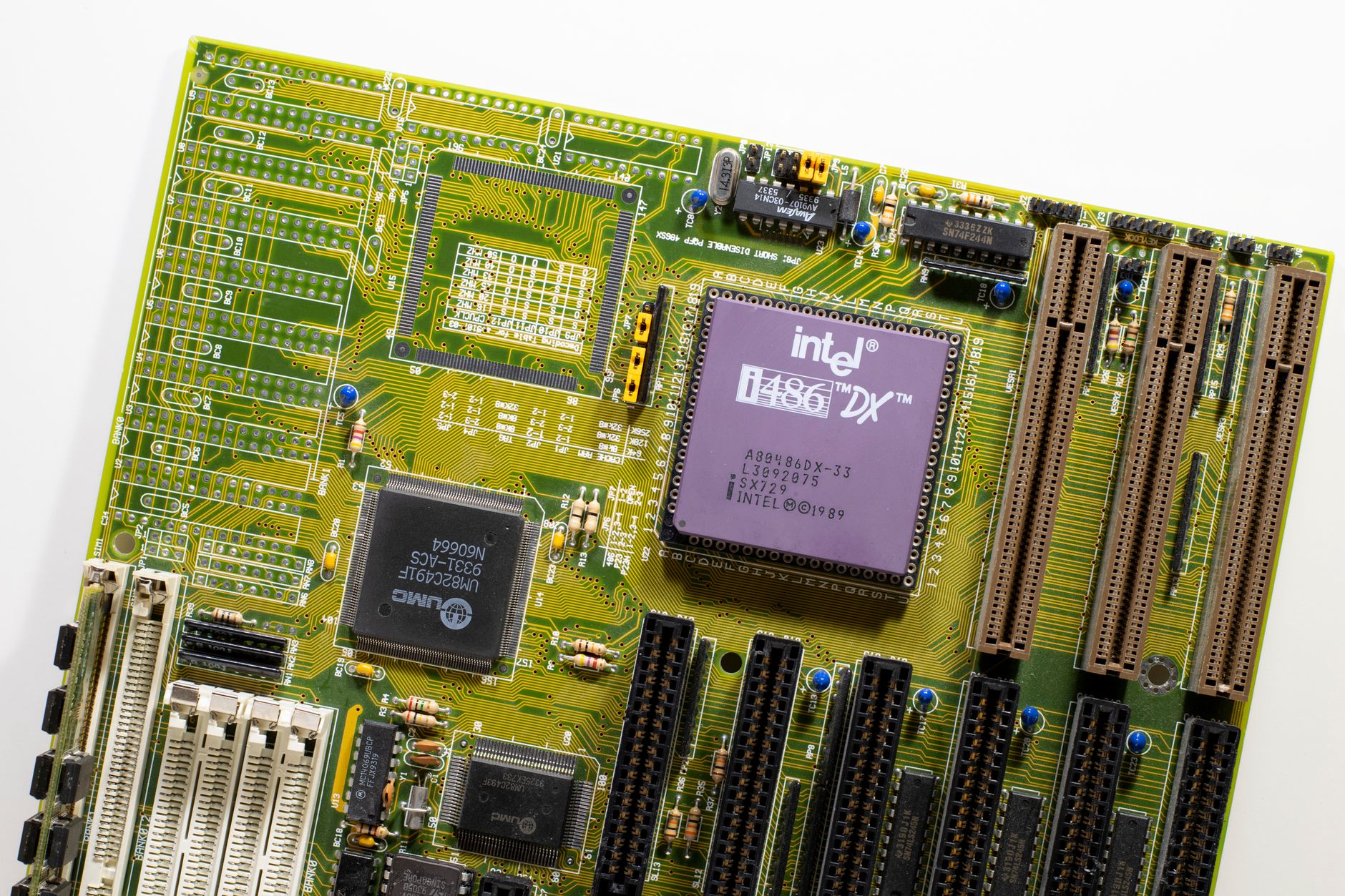
Taiwan's Taiex equity index has soared over 50% in 2026, becoming the world's best-performing major index and creating unexpected headaches for early-stage founders across East Asia. Market performance data indicates that 7% of Taiwan-listed stocks doubled this year, compared to just 3% on South Korea's Kospi index. This public equity surge, driven primarily by Taiwan Semiconductor Manufacturing Co. and its direct supply chain enablers, is actively draining liquidity out of the local private technology market. Private investors who previously provided seed funding are rapidly reallocating capital into public markets. For early-stage founders attempting to raise initial rounds, liquid equity markets have unexpectedly become their primary fundraising rival.
The intense focus on listed semiconductor giants has triggered a direct crowding-out effect across regional private markets. Local high-net-worth individuals, family offices, and institutional angels who traditionally seeded young software startups are now moving their capital into liquid public equities linked to artificial intelligence hardware. In a research report published in March, KPMG Taiwan detailed how TSMC's sustained valuation strength made venture capital funds far harder to market to institutional capital allocators who favour liquid public returns over long illiquidity lockups. Non-AI software startups in Taipei face a stark reality, experiencing steep drops in local angel participation as retail and institutional investors alike pursue daily public market gains.
This capital flight highlights an expanding structural divide between public market momentum and early-stage seed dealmaking. Joint data from PitchBook and the National Venture Capital Association shows that 87.5% of total US venture capital invested during the first half of 2026 went exclusively to mega-rounds of $100 million or higher, leaving early-stage non-AI founders with historically tight terms. In Taiwan, where early-stage private capital was already closely tied to industrial hardware, local venture firms are pulling back from non-semiconductor deals entirely. Taiwanese founders raising seed capital are now forced to bypass local angels and pitch foreign micro-VCs in Singapore, Tokyo, or Silicon Valley to secure baseline operating capital.
This institutional preference for public chip stocks threatens to narrow Taiwan's technological foundation at a critical juncture. If domestic capital continues to flow strictly into established public hardware suppliers, top engineering talent will increasingly choose comfortable corporate roles at established fab operators over early-stage entrepreneurship. Venture capital firms operating in East Asia must adapt by structuring syndicates that connect local deep-tech research with international venture funds willing to take long-term technology risk. Meanwhile, non-AI founders must adjust their operating models, prioritizing revenue profitability earlier and building global investor relationships long before initiating domestic pitch meetings.
Over the next twelve months, expect Taiwan's tech policy makers to introduce target tax incentives and public seed co-investment funds aimed at countering this private capital drift. Foreign early-stage funds will likely take advantage of the domestic liquidity crunch, acquiring equity in high-caliber Taiwanese software and robotics startups at lower valuations than Western peers demand. While a future cooling in public AI valuations may eventually push some capital back into private asset classes, angel investors will remain cautious. The founders who manage to navigate this lean capital environment will likely emerge with cleaner balance sheets and international backings, having built resilience while local capital was busy trading public momentum.
 The Future FrontBe on the cover.Twice a month we put the people shaping what's next on our cover.Apply for the cover