Storm Charles Forces Climate Reset for Tech Gatherings
Storm Charles exposed the vulnerability of physical tech gatherings, driving demand for predictive adaptation tools and microclimate modeling.
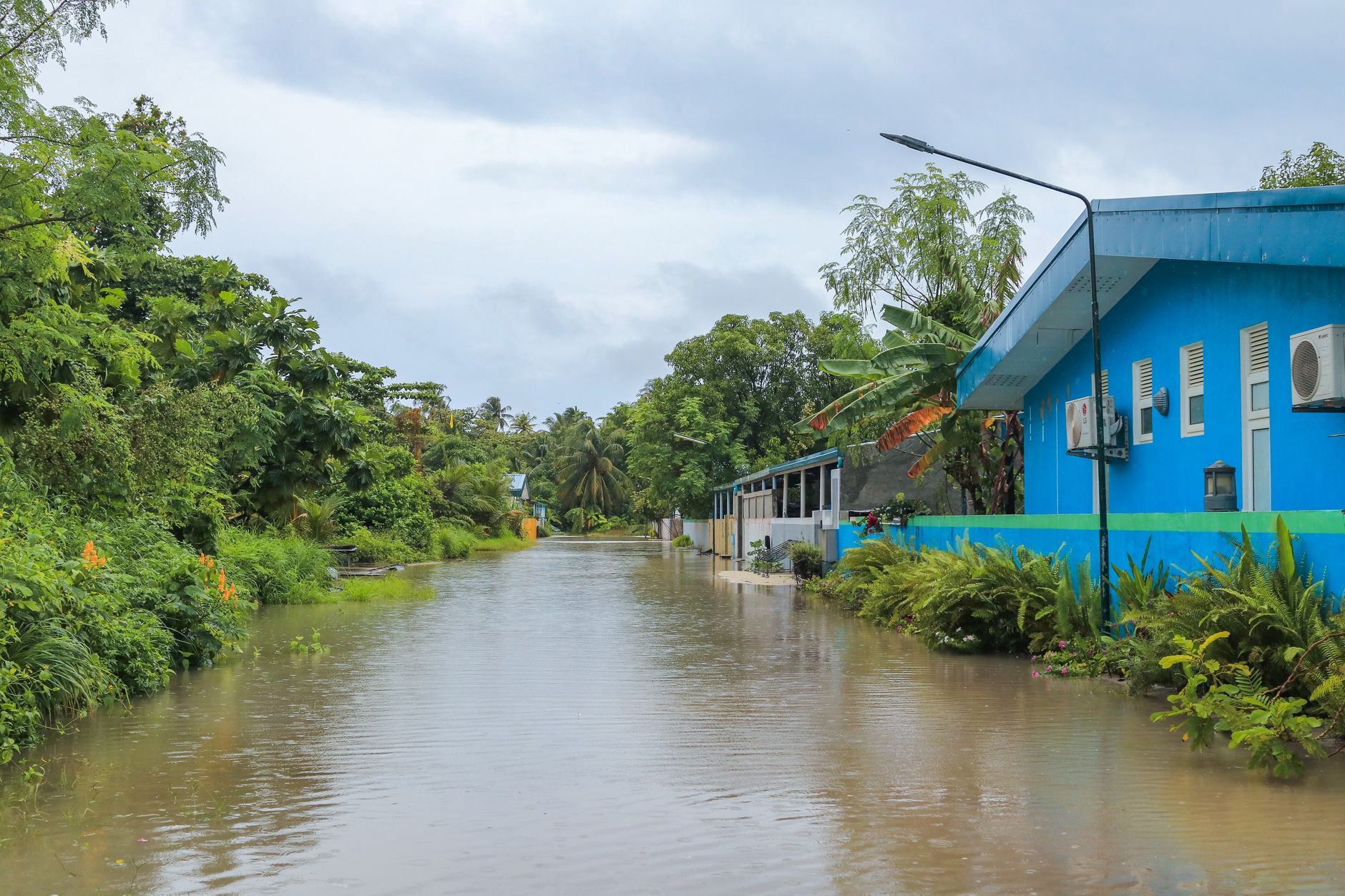
On November 11, 2026, Portuguese civil protection authorities recorded over 1,600 weather-related incidents as Storm Charles swept across the country, grounding hundreds of flights and shuttering roughly 8,000 schools. The violent storm system dumped severe rainfall on Lisbon and forced early evacuations across key venues hosting international business and technology delegations. While official red weather warnings were eventually downgraded as severe tragedy was avoided, municipal operations in the capital ground to a near halt. Empty public buses navigated waterlogged streets as shuttered storefronts lined key commercial districts. What began as an intense atmospheric system instantly mutated into a live stress test for physical infrastructure hosting thousands of global startup founders and venture investors.
The sudden shutdown highlights a growing vulnerability for international conference operators and corporate event strategists who assemble tens of thousands of people in coastal tech hubs. Historically, event risk planning centered around digital infrastructure, cybersecurity protocols, or localized transport delays. Severe atmospheric conditions now pose direct operational threats to mega-events that generate hundreds of millions of euros in regional economic value. As extreme weather events increase in frequency, temporary venue setups and outdoor tech pavilions face immediate physical exposure. Conference organizers and city planners are discovering that traditional contingency playbooks lack the granularity required to manage sudden, high-density urban evacuations during severe weather.
Data from localized disaster management tracking shows over 300 emergency responses were triggered in Madeira alone before the weather front moved inland toward mainland Europe, disrupting travel networks into southern France and Italy. Portuguese officials defended preemptive shutdown mandates, arguing that early economic pause prevented human loss, though local businesses voiced frustration over lost operational days. For tech founders building hyper-local weather adaptation platforms, the incident provided stark validation. Traditional meteorological models operate on macro-grids that fail to predict hyper-local microclimate shifts across individual city blocks or venue perimeters. Venture funding is consequently shifting toward real-time predictive analytics, localized sensor networks, and automated risk mitigation systems capable of dynamic emergency routing.
The financial implications extend far beyond insurance premiums for event venues and temporary venue construction. Venture funds evaluating climate resilience technologies are increasing allocations toward startups focused on urban infrastructure adaptability and climate-linked risk modeling. Enterprise event software platforms are moving to integrate real-time weather intelligence APIs directly into credentialing and crowd management systems. If extreme weather can abruptly halt major international gatherings, resilience features will transition from optional line items to core regulatory mandates for host cities. Capital is flowing toward software layer solutions that allow municipalities and event producers to coordinate real-time mobility rerouting when severe weather fronts hit.
Over the next 12 months, expect major venue operators and city leadership to mandate dynamic weather adaptation protocols in all major host city tenders. Insurance underwriters will require physical event organizers to deploy real-time microclimate monitoring and automated evacuation frameworks as conditions for policy coverage. Early-stage climate tech startups specializing in predictive risk analytics will find immediate enterprise buyers among global conference franchises seeking to protect their operational continuity. The failure to prepare for sudden atmospheric shocks will no longer be written off as bad luck. Host cities and tech platforms that invest early in predictive resilience software will dictate where global technology capital can safely convene.
 The Future FrontBe on the cover.Twice a month we put the people shaping what's next on our cover.Apply for the cover