Clean Power Is Surging. The Grid Cannot Keep Up.
IRENA data shows renewable electricity grew 9.8% in 2024, but grid bottlenecks now threaten further clean energy deployment.
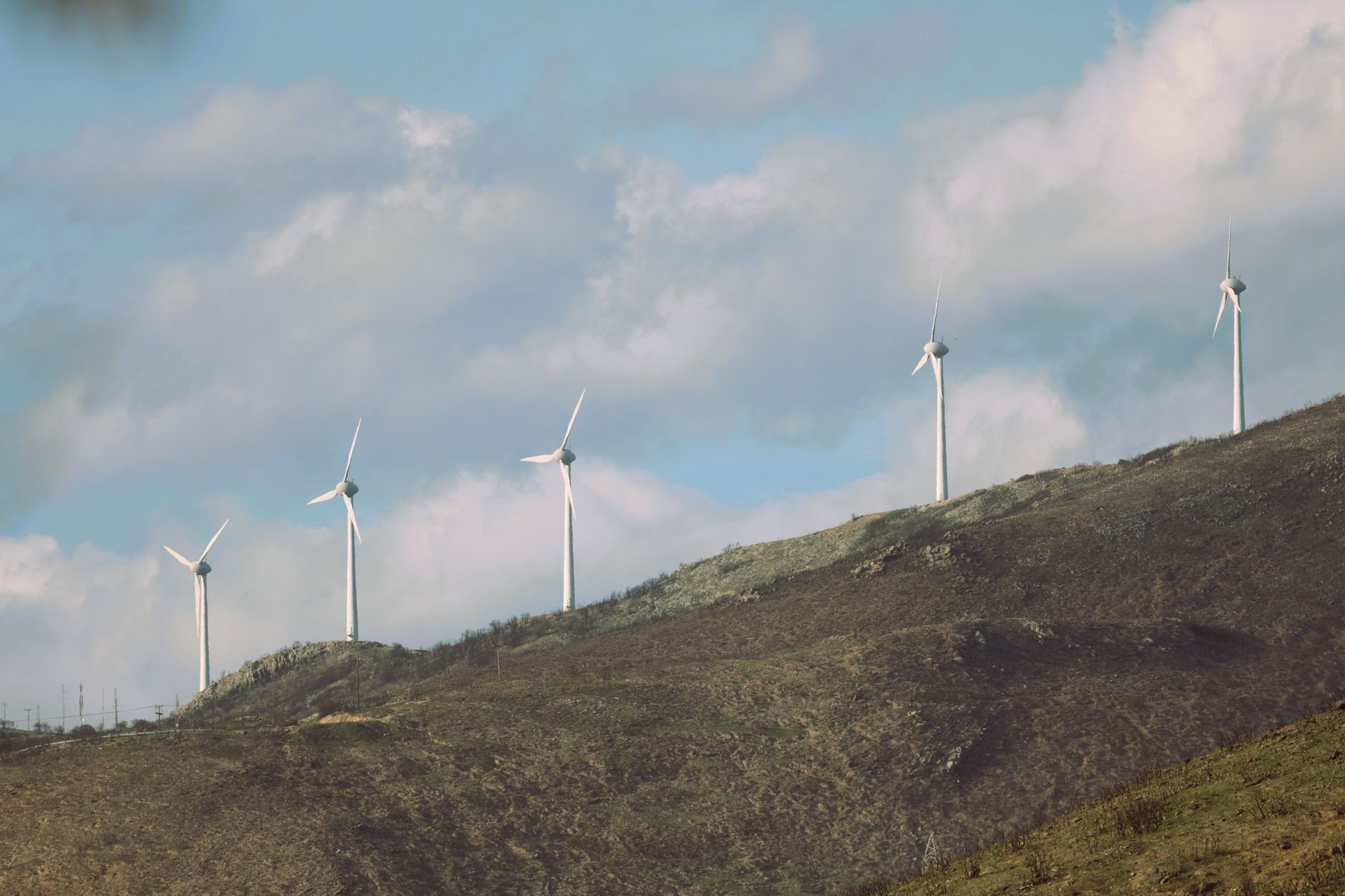
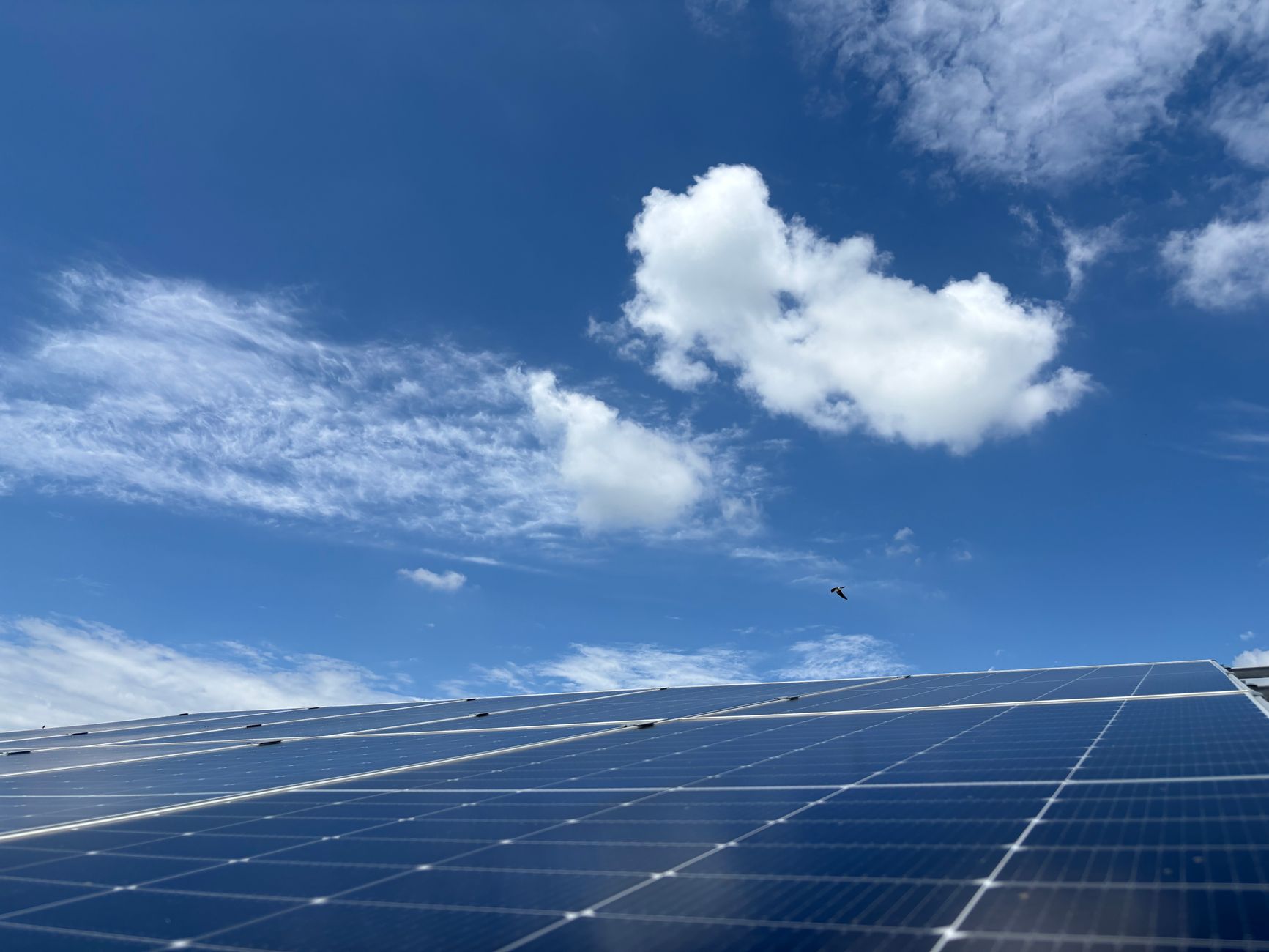
Global renewable electricity generation grew by 9.8 percent in 2024, marking the fastest annual expansion on record according to the International Renewable Energy Agency. The surge pushed the overall renewable share of total global power production to 31.7 percent, driven largely by accelerated utility-scale solar installations and expanding offshore wind projects across Europe and Asia. Ahead of the upcoming COP31 climate conference, these figures confirm that zero-carbon generation capacity is outstripping baseline energy models established earlier this decade. Yet the international report also exposes a structural bottleneck in the broader transition. While clean generation is expanding at a rapid rate, the physical transmission infrastructure required to deliver that electricity to end users remains severely delayed.
The widening imbalance between power generation capacity and grid connectivity has fundamentally changed the operational climate for energy developers and institutional investors. Earlier benchmarks set at COP28 called for tripling global clean energy capacity by 2030, a target that generation metrics show is structurally achievable on current build rates. However, the latest progress report published by the Global Renewables Alliance and IRENA warns that energy efficiency improvements and grid expansion are falling behind target rates. The COP31 Türkiye Presidency recently established a target to electrify 35 percent of total final energy demand by 2035, a shift that requires renewables to generate 78 percent of world power within eleven years. Reaching that operational threshold demands substantial capital reallocations toward high-voltage transmission infrastructure, grid software, and utility-scale battery storage.
Detailed market data shows how capital flows are adjusting to these operational grid constraints. High-voltage direct current lines, utility-scale lithium and flow battery arrays, and subsea interconnector cables are drawing elevated levels of private equity and infrastructure capital as asset owners face curtailment risks. In regional electricity markets where intermittent renewable penetration surpasses 30 percent, wholesale power prices regularly drop into negative territory during peak solar generation hours due to constrained local transmission lines. The Global Renewables Alliance report emphasizes that double-digit gains in annual generation capacity will yield diminishing financial returns unless grid operators double their annual infrastructure capital expenditure before 2030. As a result, institutional capital is shifting away from isolated greenfield generation toward bottleneck mitigation technologies.
For climate tech founders and venture capital firms, this operational shift alters the technology stack required for commercial success. Five years ago, early-stage capital concentrated heavily on incremental improvements in solar cell efficiency and novel wind turbine designs. Today, venture returns are concentrating in dynamic grid orchestration software, localized energy storage intelligence, and automated power purchase agreement execution tools. Utilities around the world are struggling to manage bi-directional power flows and fluctuating frequency without automated software overlays. Early-stage startups offering predictive load-dispatch algorithms, real-time transformer monitoring, and automated industrial demand-response software are securing venture funding while capital for pure generation equipment slows down.
Over the next twelve months, national energy policies and project finance contracts will pivot to address grid capacity bottlenecks directly. Regulatory bodies preparing for the COP31 summit will come under intense pressure to fast-track permitting timelines for high-voltage transmission projects and grid-connected battery arrays. Venture capital firms will continue reallocating seed and Series A funds toward startups building software for virtual power plants and industrial power management. Meanwhile, commercial project developers will increasingly mandate integrated storage packages on all new solar and wind installations to bypass grid queue delays and hedge against power price volatility. The defining metric for energy transition success is no longer how many gigawatts of generation capacity are installed, but how efficiently that power is managed across existing grid networks.
 The Future FrontBe on the cover.Twice a month we put the people shaping what's next on our cover.Apply for the cover