Plant Wearables Give Crops an ECG to Cut Farm Emissions
Italian startup PlantZCare uses stem sensors to read crop health in real time, shifting precision farming from estimation to direct bio-sensing.
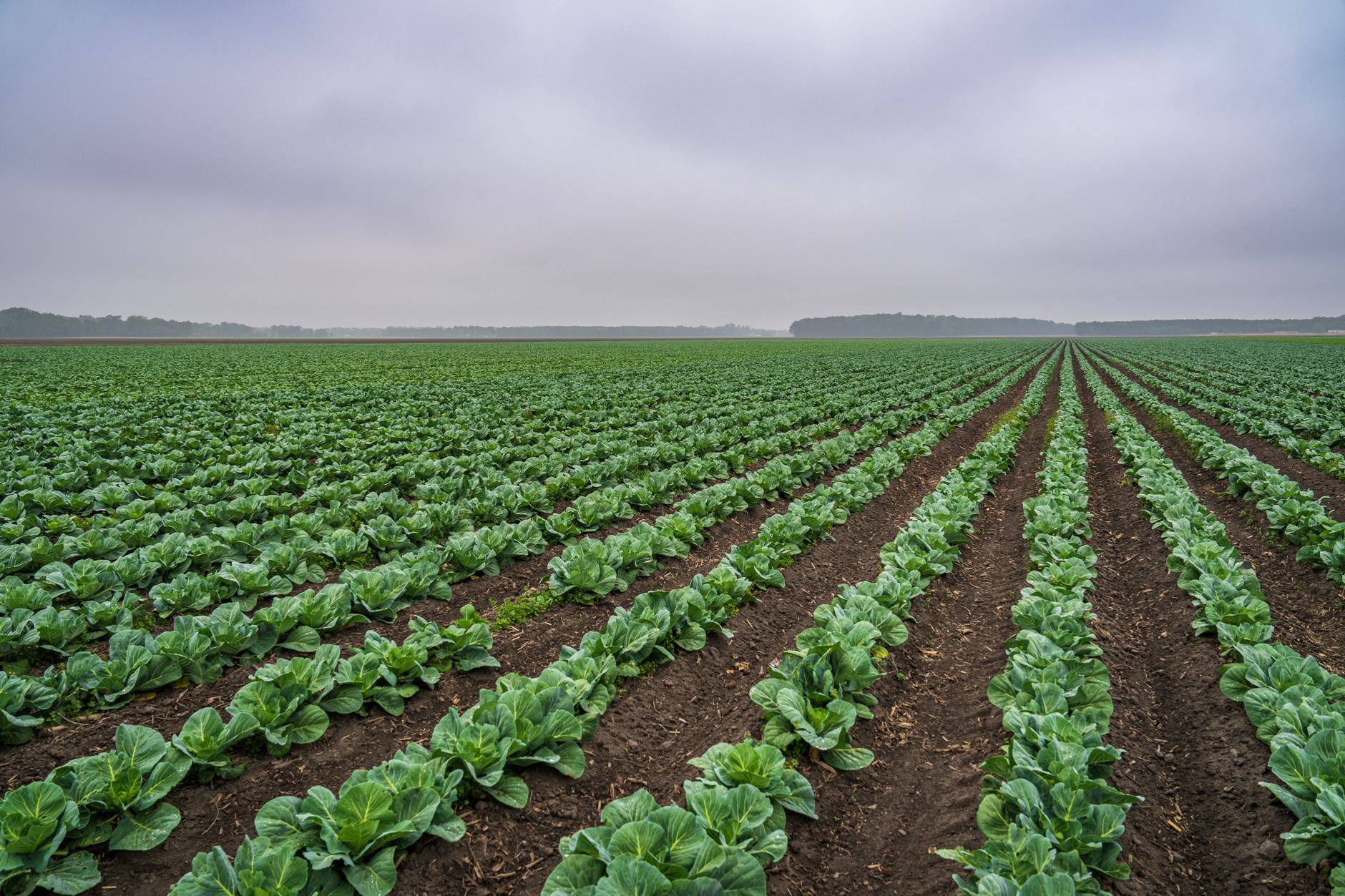
At Web Summit Lisbon 2026, a delegation of 41 Italian startups presented hardware and software solutions aimed at modernizing European industrial operations, with agricultural bio-monitoring taking center stage. Saluzzo-based startup PlantZCare, a deep-tech spinoff originating from research at Politecnico di Torino, unveiled a plant-wearable sensor that reads electrical bio-impedance directly through crop stems. Rather than relying solely on macro weather stations or remote satellite imagery, the device clips directly onto vascular plants to measure internal physiological stress in real time. The energy-autonomous system functions as an electrocardiogram for crops, transmitting continuous biological health data to cloud networks without requiring maintenance or battery changes. This direct physiological monitoring enables commercial growers to detect micro-pathogens and water deficits days before visual symptoms surface on the field.
Agricultural supply chains face growing volatility from erratic weather patterns and rising fertilizer costs, forcing farm operators to rethink daily resource deployment. Traditional precision agriculture relies on indirect proxy measurements, such as soil moisture sensors, aerial imaging, and localized micro-climate forecasting. These legacy tools measure the environment surrounding the crop rather than the internal biological state of the plant itself, creating an inevitable time lag between environmental stress and operational response. PlantZCare fundamentally shifts this framework by turning individual crops into self-reporting data nodes that communicate their precise hydration and nutrient requirements. For climate tech venture capital, moving from indirect environmental estimation to direct bio-sensing offers a far more accurate blueprint for reducing agricultural emissions and input expenditure.
The underlying technology relies on patented bio-sensing hardware engineered for rapid, non-destructive deployment across diverse vascular crop species. Research published by Politecnico di Torino highlights how the sensor tracks inner fluid dynamics and cellular impedance shifts to construct a real-time health profile of the host plant. The hardware utilizes ultra-low-power electronics that draw minimal energy, enabling long-term deployment across vast commercial acreage without labor-intensive battery swaps. By capturing subtle inner biological signals, farm operators can adjust irrigation volumes and chemical applications to match exact biological thresholds. Early trial data shows that direct biological feedback allows growers to substantially lower synthetic input volumes while protecting baseline crop yields during severe heat waves.
The commercial implications for AgTech founders and venture capital investors center on operational unit economics and carbon reporting. Synthetic nitrogen fertilizers and intensive irrigation systems account for a major share of both farm operating budgets and agricultural greenhouse gas emissions globally. Micro-level diagnostic devices that curb excess chemical applications directly help growers comply with stricter European Union environmental directives and corporate Scope 3 emissions mandates. As regulatory frameworks tighten around chemical runoff and water drawdowns, real-time bio-sensing platforms provide farm managers with audit-ready operational compliance data. Consequently, investor appetite is shifting rapidly toward hardware-enabled software layers that convert physical biological signals into scalable, high-margin agronomy intelligence.
Over the next 12 months, the primary battle in precision agriculture will move from passive environmental monitoring to active physiological control. PlantZCare and competing bio-sensing innovators must demonstrate seamless API integration with autonomous irrigation valves, fertigation units, and robotic spraying platforms to fully close the operational feedback loop. As sensor manufacturing costs decrease and machine learning models process multi-season biological datasets, crop-managed precision systems will move rapidly from enterprise pilot projects to standard commercial practices across southern Europe and North America. Founders who successfully bridge the gap between real-time plant physiology and automated field machinery will define the next phase of climate tech investments. By late 2027, listening directly to plant electrical signals will be an industry baseline for resilient high-yield agriculture.
 The Future FrontBe on the cover.Twice a month we put the people shaping what's next on our cover.Apply for the cover