Shipyards Are the New Frontier for Physical AI
Fincantieri is spending $100 million to bring Physical AI and humanoid welding robots into shipyards, creating a new roadmap for heavy industry.
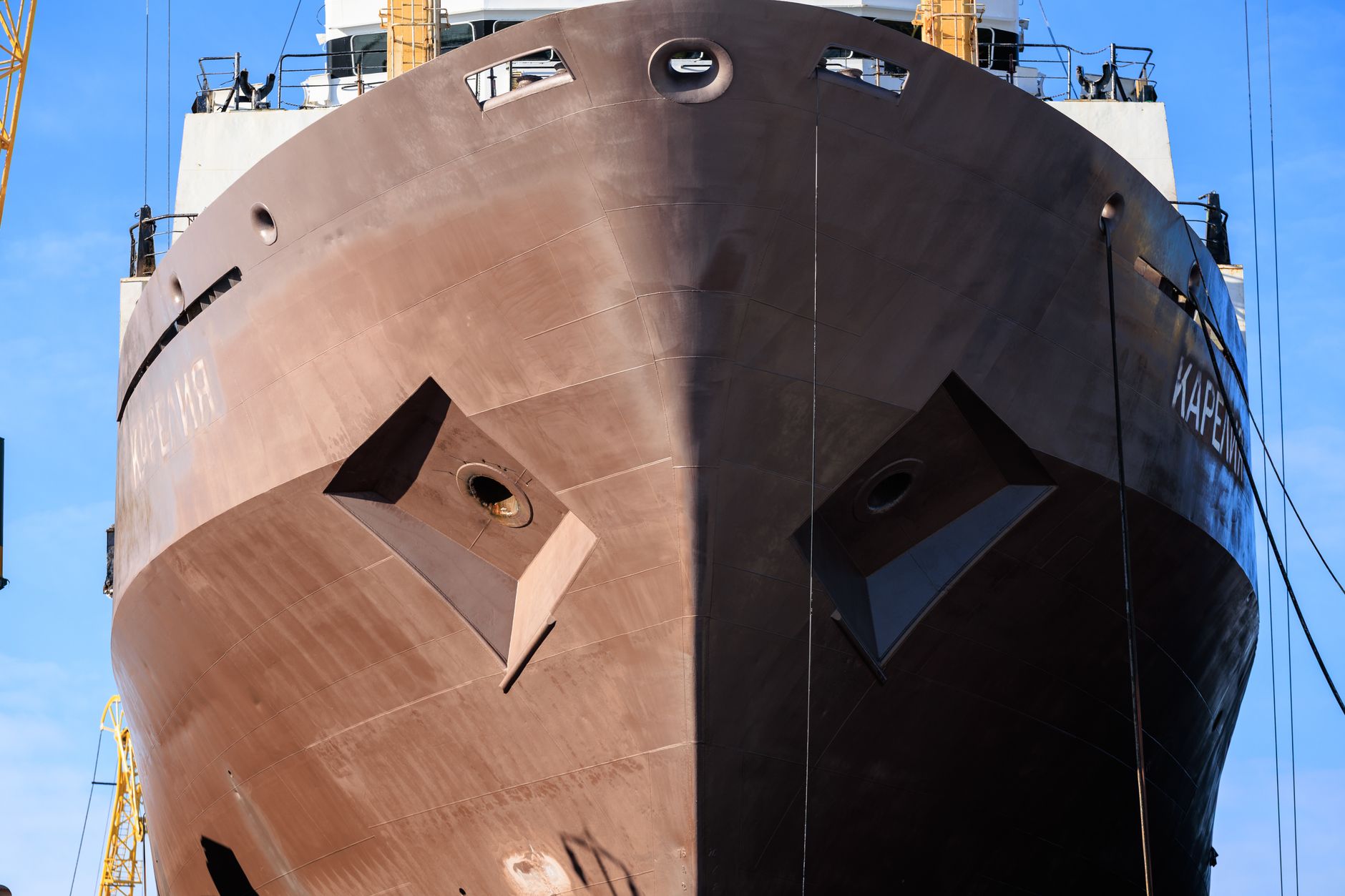
Italian shipbuilder Fincantieri is allocating nearly $100 million through 2030 to deploy Physical AI and advanced robotics across its global network of 13 shipyards. According to official company press releases detailing its BOOST² technology initiative, the capital commitment will fund wider industrial adoption following three years of initial testing. The program already involves over 450 employees and focuses on connecting digital ship design directly with shipyard floor operations. By embedding autonomous physical systems into naval manufacturing, the maritime giant aims to lift overall production yield while reducing workplace hazards in heavy industrial zones.
Industrial automation spent the last decade largely confined to controlled warehouse aisles and predictable assembly lines. Shipyards present a radically different operational challenge, characterized by harsh weather, tight compartments, toxic fumes, and non-standardized structural steel components. At the same time, global shipbuilders face severe demographic pressure and a persistent shortage of certified welders and skilled pipefitters. This labor bottleneck makes manual operations increasingly difficult to sustain for long-term defense and commercial contracts. Transitioning artificial intelligence from digital screens into physical machinery built for unstructured heavy environments is now an operational necessity.
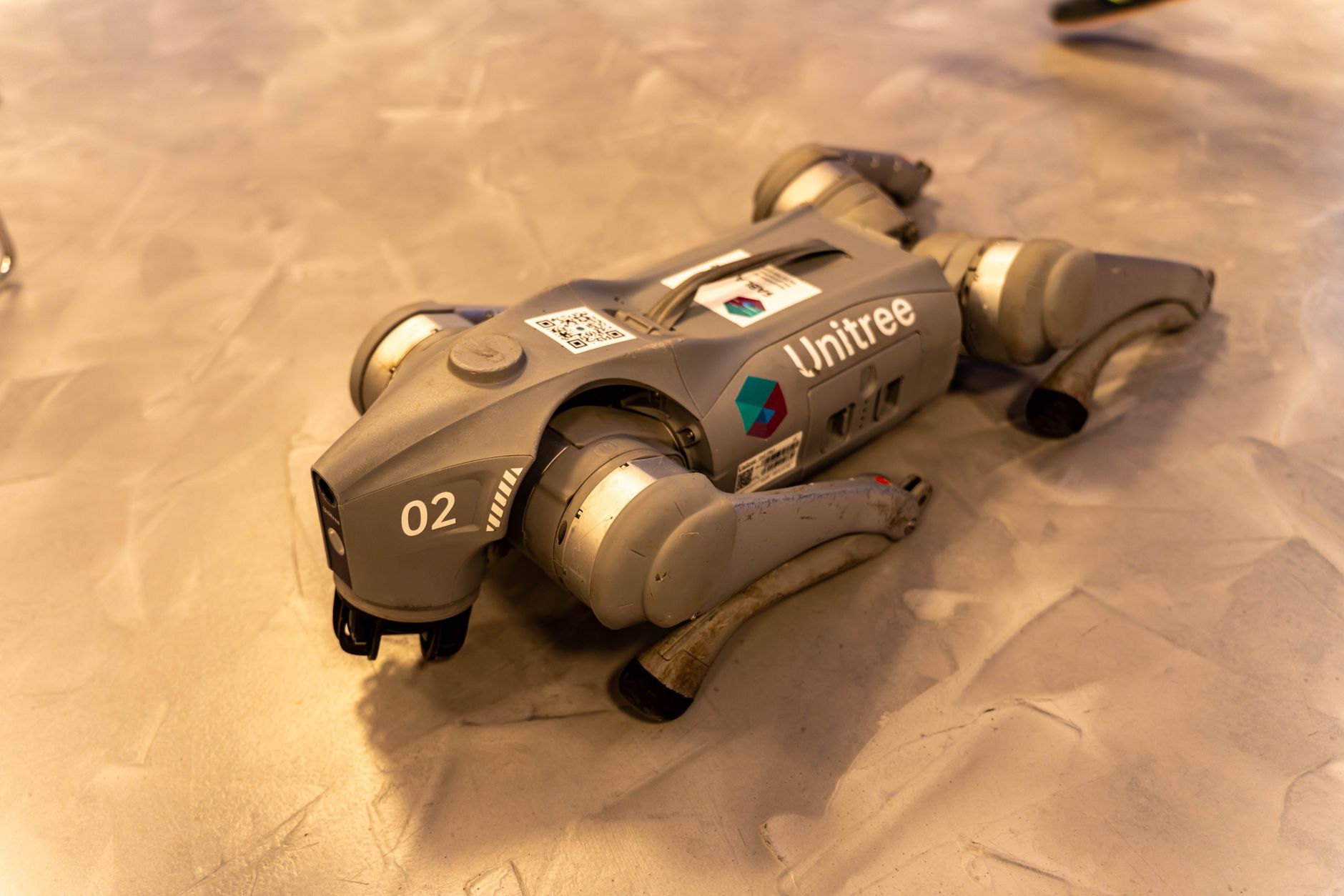
To address complex manufacturing tasks, Fincantieri launched an industrial partnership with Generative Bionics to develop specialized humanoid welding robots. The group is pairing these collaborative robots with digital twin platforms that map shipyard assets and processes in real time, alongside automated material handling equipment. These systems utilize advanced computer vision and spatial intelligence to adjust welding paths on uneven steel structures without constant human oversight. Corporate updates indicate that these deployments mark a formal transition from isolated pilot projects toward broad, standardized deployment across active European and global drydocks.
This transition signals a lucrative market opportunity for hardware founders and venture investors. While consumer robotics and clean-room logistics solutions face saturated funding markets, ruggedized robotics built for extreme industrial sites remain starved for specialized software. Venture capital firms are taking notice, diverting capital toward edge-native vision models, low-latency compute modules, and field-tested hardware components. Startups that can deliver durable actuators, adaptive force feedback, and resilient sensor suites capable of enduring dirt, heat, and vibration will find eager enterprise buyers across heavy industry.
During the next 12 months, the commercial viability of shipyard robotics will hinge on how well humanoid units sustain continuous duty cycles under harsh marine conditions. Early performance data from Fincantieri will set the benchmark for similar automation efforts across aerospace, deep-sea mining, and commercial construction. Competing shipbuilders and defense prime contractors will feel immediate pressure to announce their own embodied AI strategies to preserve margin expectations. Founders who build drop-in, edge-native AI models specifically tailored for legacy heavy equipment will be best positioned to capture this emerging industrial cycle.
 The Future FrontBe on the cover.Twice a month we put the people shaping what's next on our cover.Apply for the cover