Robots Just Saved a Guam Fuel Hub 180 Days of Downtime
By inspecting active fuel tanks without draining them, autonomous robots just eliminated six months of planned downtime in Guam.

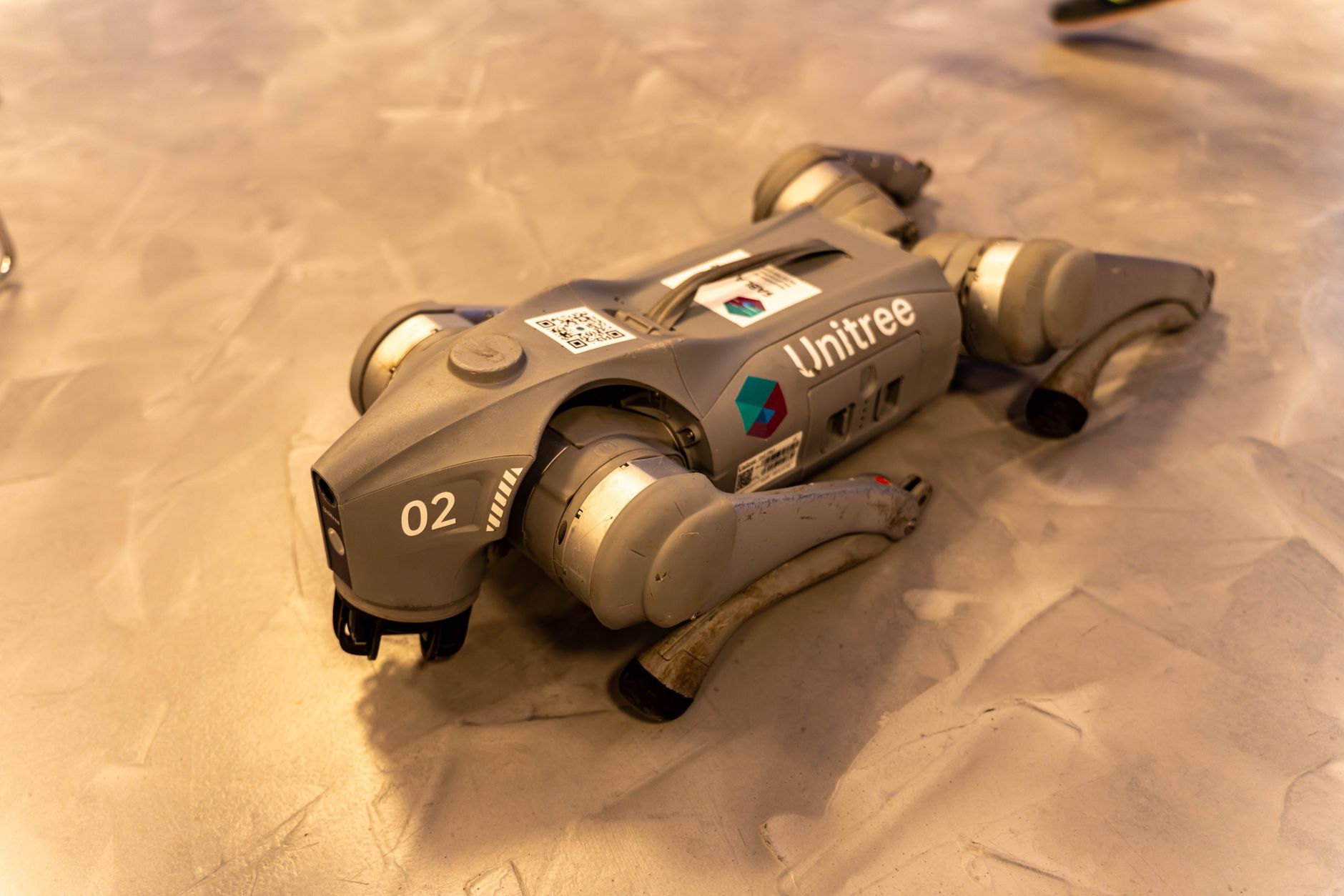
Tristar Terminals Guam recently eliminated 180 days of planned operational downtime at its critical fuel facility by deploying autonomous inspection robots. Instead of draining massive storage tanks, a process that historically takes months and halts operations, the company used specialized machinery to inspect active tanks. The dual-robotic deployment, combining technology from Gecko Robotics and Square Robot, allowed fuel to remain inside the tanks throughout the entire process. This successful run in Guam proves that ruggedized, specialized robotics can now successfully tackle the most hazardous bottlenecks in heavy industry.
Industrial maintenance has long been a notorious money pit and safety hazard, particularly within critical energy infrastructure. Traditional tank inspections require operators to completely empty, clean, and vent structures before human inspectors can safely enter. This costly process keeps vital assets offline for months and exposes human workers to volatile organic compounds. By shifting to an online, in-service inspection model, terminal operators can maintain continuous energy distribution while gathering vastly superior structural data.
The Guam operation leveraged two distinct robotic platforms to map the structural integrity of the facility. Gecko Robotics deployed its magnetic wall-climbing robots to scale the exterior shell, using advanced ultrasonic transducers to capture millions of high-density thickness measurements. Simultaneously, Square Robot deployed its proprietary submersible robotic system directly into the fuel itself to inspect the tank floor. This combination mapped the steel plates to a sub-millimeter level of accuracy, identifying microscopic corrosion defects that human inspectors would likely miss.
For venture capitalists and hardware founders, this milestone represents a massive validation of ruggedized industrial robotics. While humanoid robots capture headlines, the immediate, high-margin ROI lies in highly specialized, unglamorous automation built for extreme environments. Hardware startups that focus on high-risk, high-cost maintenance bottlenecks are proving they can command premium pricing and secure sticky, enterprise-grade contracts. This deployment signals a shift where asset owners no longer view robotics as an R&D experiment, but as a core operational necessity.
Over the next twelve months, expect a wave of regulation and insurance mandates to favor autonomous robotic inspections over human entry. Insurance underwriters are beginning to realize that data gathered by submersibles is far more reliable and complete than manual point-testing. As these safety and efficiency metrics become undeniable, offline inspections will transition from an industry standard to an obsolete liability. The physical world is finally getting its digital twin, and it is being built by robots crawling through the dark.
 The Future FrontBe on the cover.Twice a month we put the people shaping what's next on our cover.Apply for the cover