Q1 2026 Hit $300B. AI Took 80% of It.
Q1 2026 shattered every venture funding record ever set, with $300B deployed in a single quarter and four AI deals alone absorbing 65% of the total.
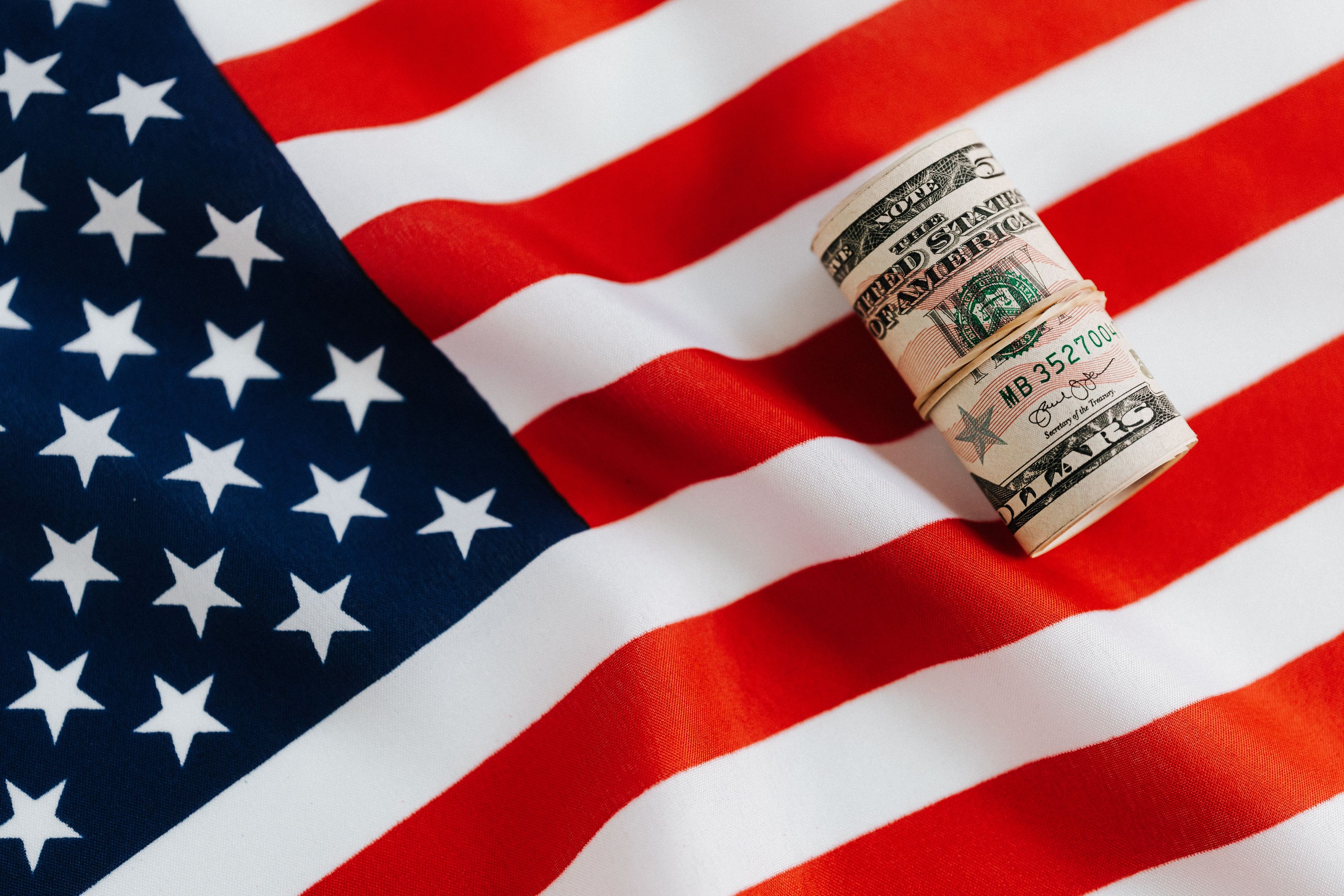
Global venture capital hit $300 billion in Q1 2026, the largest single-quarter funding total ever recorded, according to Crunchbase data. Of that, $242 billion, roughly 80%, flowed directly into AI companies. Four deals alone absorbed 65% of all global venture capital in the quarter. These are not incremental milestones. They represent a structural reshaping of how capital moves through the startup ecosystem.
The numbers look historic because they are, but context matters. Late-stage funding reached $246.6 billion in Q1 2026, up 205% year-over-year across just 584 deals, with $235 billion of that going to companies raising rounds of $100 million or more. Early-stage funding, by contrast, grew a comparatively modest 41% year-over-year. The market is not expanding uniformly. It is concentrating, rapidly and deliberately, into fewer and larger bets at the top of the stack.
Frontier model labs captured the bulk of the mega-rounds, with OpenAI's $122 billion raise anchoring the quarter as the single largest private funding round in history. This concentration tells a precise story about where institutional conviction currently sits: on AI infrastructure, on compute, and on the companies building the foundational layer that everything else will run on. The implication for founders operating below that layer is not negligible. When four companies consume 65% of available capital, the remaining 35% gets competed for harder.
For investors, this quarter forces a recalibration of risk frameworks that were built for a different market. Valuation inflation is a real concern when rounds of this size get priced into fund return models. Follow-on availability for portfolio companies outside the AI mega-cap cohort is tightening, not loosening, despite the headline figures. LPs allocating to new funds right now are not buying exposure to a broad venture recovery. They are, in practical terms, making a concentrated bet on AI infrastructure continuing to attract sovereign wealth, corporate strategics, and crossover capital at current velocity.
The next twelve months will test whether Q1 2026 was a structural inflection or a statistical outlier driven by a handful of once-in-a-cycle events. If mega-round activity slows into H2 2026, aggregate numbers will fall sharply, and the narrative around the venture boom will shift almost overnight. The founders who read this quarter correctly are not the ones celebrating the headline. They are the ones mapping where the capital is not going, identifying the gaps that a $300 billion quarter paradoxically creates, and raising before the follow-on crunch bites the rest of the market.
 The Future FrontBe on the cover.Twice a month we put the people shaping what's next on our cover.Apply for the cover