2026 Is the Reckoning Year for Warehouse Robotics
Edited demos and controlled pilots won't cut it anymore. Warehouse buyers want proof, and vendors who can't deliver are about to find out the hard way.

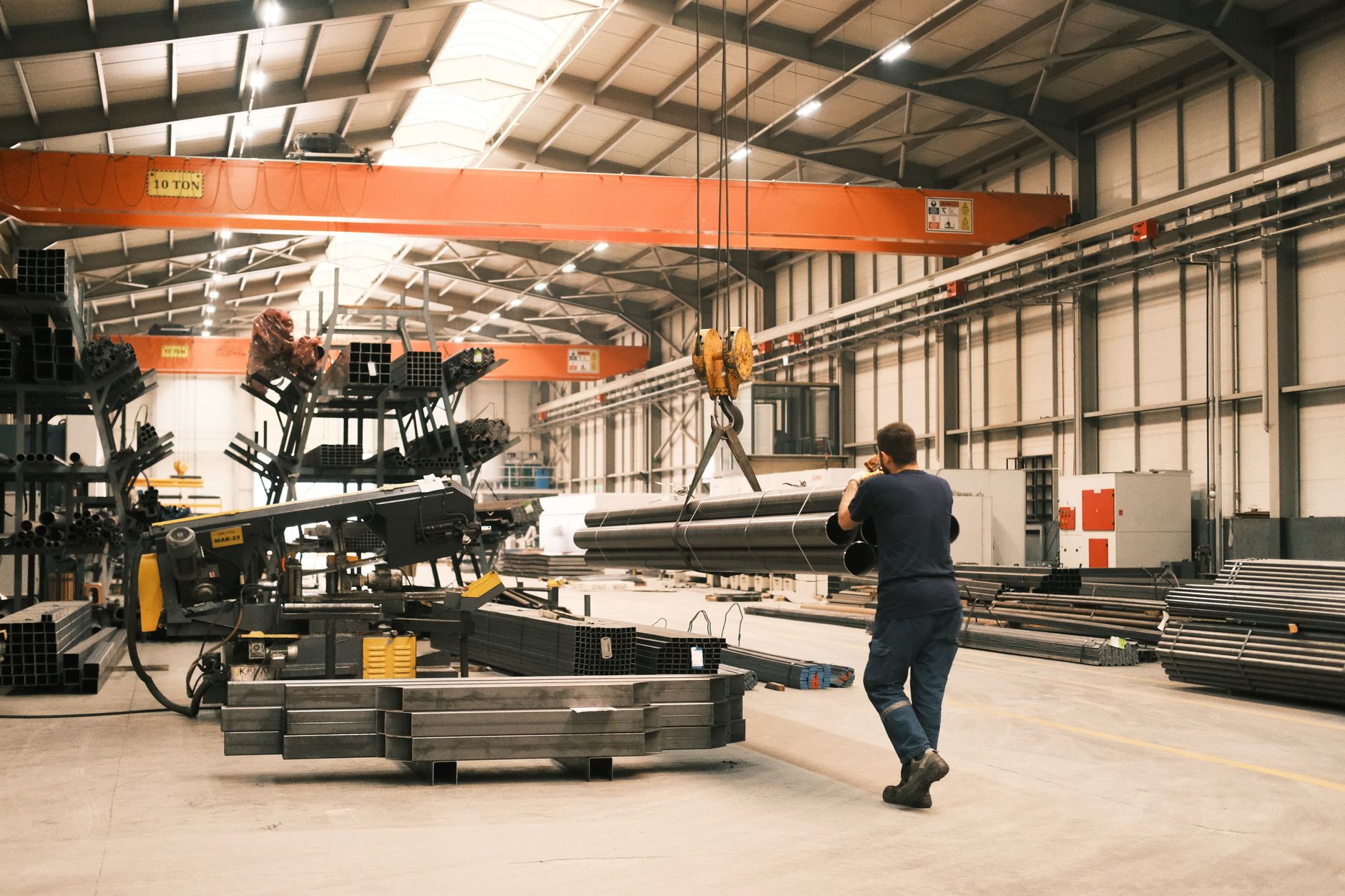
The warehouse robotics market is hitting a wall, and it was always going to. For years, vendors survived on glossy demos, curated proof-of-concepts, and early-adopter goodwill from operators willing to absorb teething problems in exchange for future promise. That tolerance is now gone. Enterprise buyers in 2026 are demanding validated, real-world performance data before signing contracts, and procurement teams are no longer satisfied with edited videos or controlled showcases. The reckoning is not coming. It is already here.
The shift is structural, not cyclical. Post-pandemic inventory normalization has squeezed logistics margins to the point where operators simply cannot afford to absorb underperforming automation. Macro pressure on costs has shortened the runway for any vendor still operating on goodwill and roadmap promises. What was tolerable during the hype phase of warehouse robotics is now a commercial liability. Buyers have seen enough deployments, good and bad, to know exactly what questions to ask and what answers to reject.
The new standard is concrete and unforgiving. Warehouses are demanding proof that robots can handle damaged boxes, irregular packaging, inconsistent lighting, and varied surface conditions. They want documented failure modes, clear service recovery timelines, and measurable uptime guarantees, not estimated ranges from a vendor deck. Certifications from bodies like ISO and ANSI are shifting from nice-to-have to procurement prerequisites. As one industry analysis put it directly: "Clarity is expected on failure modes and service recovery." That is a different conversation entirely from the one vendors were having in 2023.
For investors, this maturation carries a sharp implication. Capital deployed into robotics vendors without validated performance records is now sitting at meaningful risk. The market is bifurcating: operators with serious automation budgets are concentrating spend on vendors who can demonstrate provable ROI, while the long tail of underdifferentiated hardware players faces contraction. Network infrastructure is part of this calculus too. Organisations that treated warehouse connectivity as a reactive utility, rather than a strategic asset built for automation, are discovering that unreliable networks are a ceiling on robotics performance regardless of how good the hardware is.
Over the next twelve months, expect vendor consolidation to accelerate. A cohort of robotics companies that raised aggressively between 2021 and 2023 on pilot momentum will struggle to convert enterprise deals at the required scale and margin. The winners will be those who invested early in rigorous validation frameworks, third-party certification, and integration quality, not just hardware iteration. Founders building in the logistics automation stack should treat reliability metrics as a go-to-market asset, not an engineering footnote. Investors should be asking for live deployment data, not lab benchmarks. The bar has moved, and the vendors who built for demos instead of operations are about to find out exactly what that costs.
 The Future FrontBe on the cover.Twice a month we put the people shaping what's next on our cover.Apply for the cover