Prince William at London Tech Week Changes the Game
When a future king shows up at your tech conference to talk homelessness prevention, the event has officially crossed into policy territory founders can't ignore.
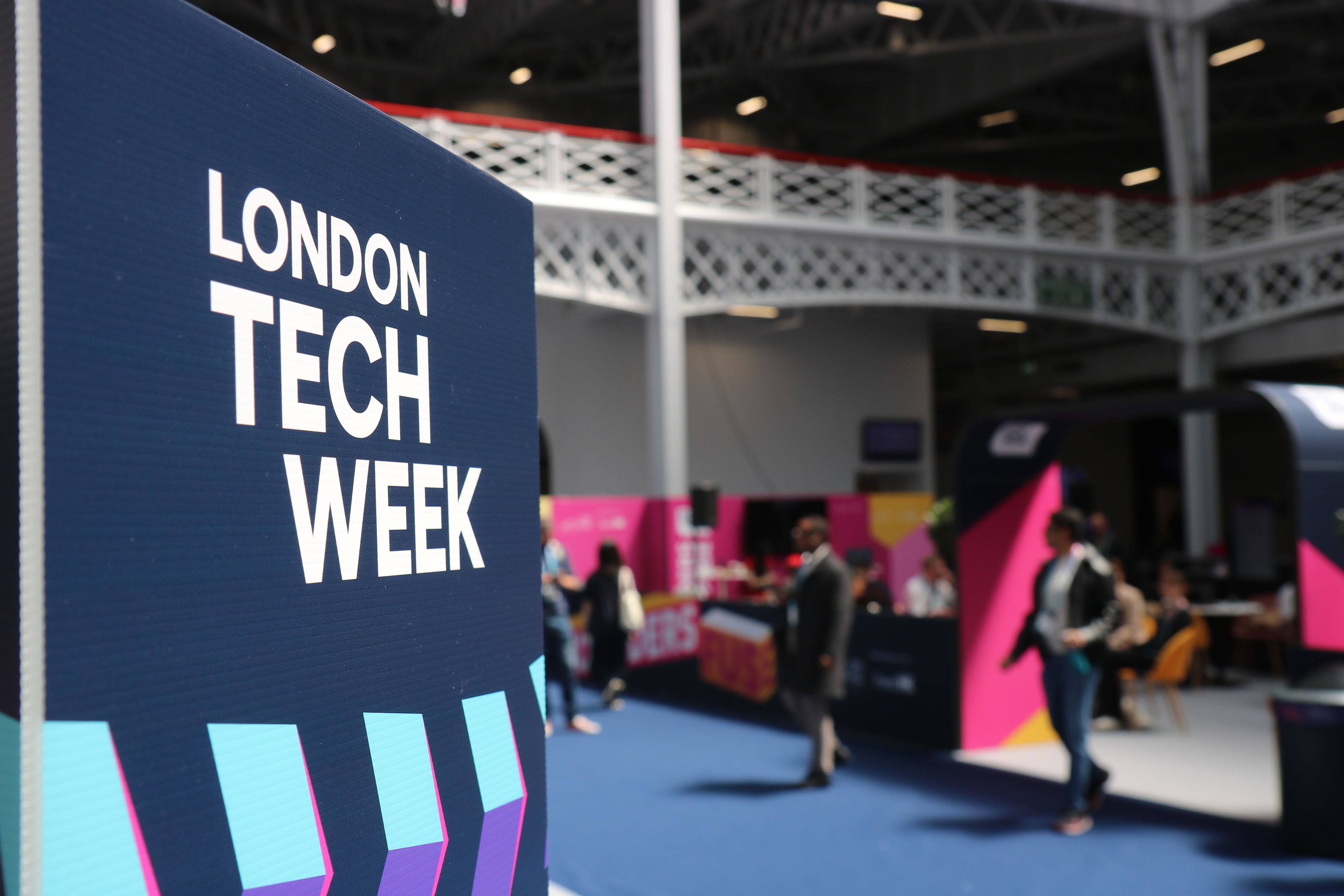
London Tech Week 2026 hit its midpoint peak on Thursday, and the signal was impossible to miss. HRH Prince William took to the AI Arena stage alongside business leaders and podcaster Jake Humphrey, not to celebrate innovation, but to press the tech industry on social accountability. His appearance, tied to Homewards, the homelessness prevention programme he founded through The Royal Foundation in June 2023, confirmed that this year's event is operating on a different frequency from the standard founder-and-VC circuit.
London Tech Week runs 8 to 12 June at Olympia London, and the week's agenda reads less like a product showcase and more like a policy briefing with good networking. Mayor of London Sadiq Khan and Baroness Martha Lane Fox are both on the programme, addressing the compute infrastructure the UK needs to remain competitive in the AI era. The Prime Minister separately unveiled a new AI jobs tool and a sovereign compute strategy this week, using the event as a direct policy broadcast channel. For founders operating in Europe, this is the room where regulatory direction gets shaped before it reaches Parliament.
The US investor presence confirmed the event's international weight. Andreessen Horowitz partner Bryan Kim was among those sharing perspectives on trends and emerging opportunities, a notable data point given how selectively a16z deploys its partners at European events. On the technical side, sessions ranged from quantum computing's potential role in the next wave of AI breakthroughs to enterprise data strategy and responsible AI governance, with speakers including researchers from the Responsible AI Institute and senior figures from the UK Department for Education.
The crossover moment matters for investors and founders in equal measure. When royalty and senior politicians occupy the same stage as venture capitalists and startup founders, the implicit message is that tech is no longer permitted to scale in isolation from its social consequences. Europe's regulatory posture, already more assertive than the US on AI and data, is now being reinforced by cultural and institutional pressure from the very top. Founders building in healthcare, housing, workforce tools, or any sector touching public infrastructure should treat this week's signals as directional, not ceremonial.
The next twelve months will test whether London Tech Week's expanded ambition translates into concrete policy movement. The UK's sovereign compute strategy, if funded and executed with speed, could shift the calculus for European AI startups weighing where to build and where to raise. If the government follows through on the AI jobs tool and broader workforce commitments announced this week, founders in the future-of-work space will find a more receptive regulatory environment than they might have expected a year ago. The event's growing gravitational pull on US capital, demonstrated by a16z's presence, suggests London is positioning itself not just as a tech hub but as the place where the rules of the next tech cycle get written.
 The Future FrontBe on the cover.Twice a month we put the people shaping what's next on our cover.Apply for the cover