Physical AI Hits the Factory Floor for Real
MassRobotics' RoboWeek 2026 isn't a trade show victory lap. It's a data-grounded signal that Physical AI is generating measurable industrial ROI right now.
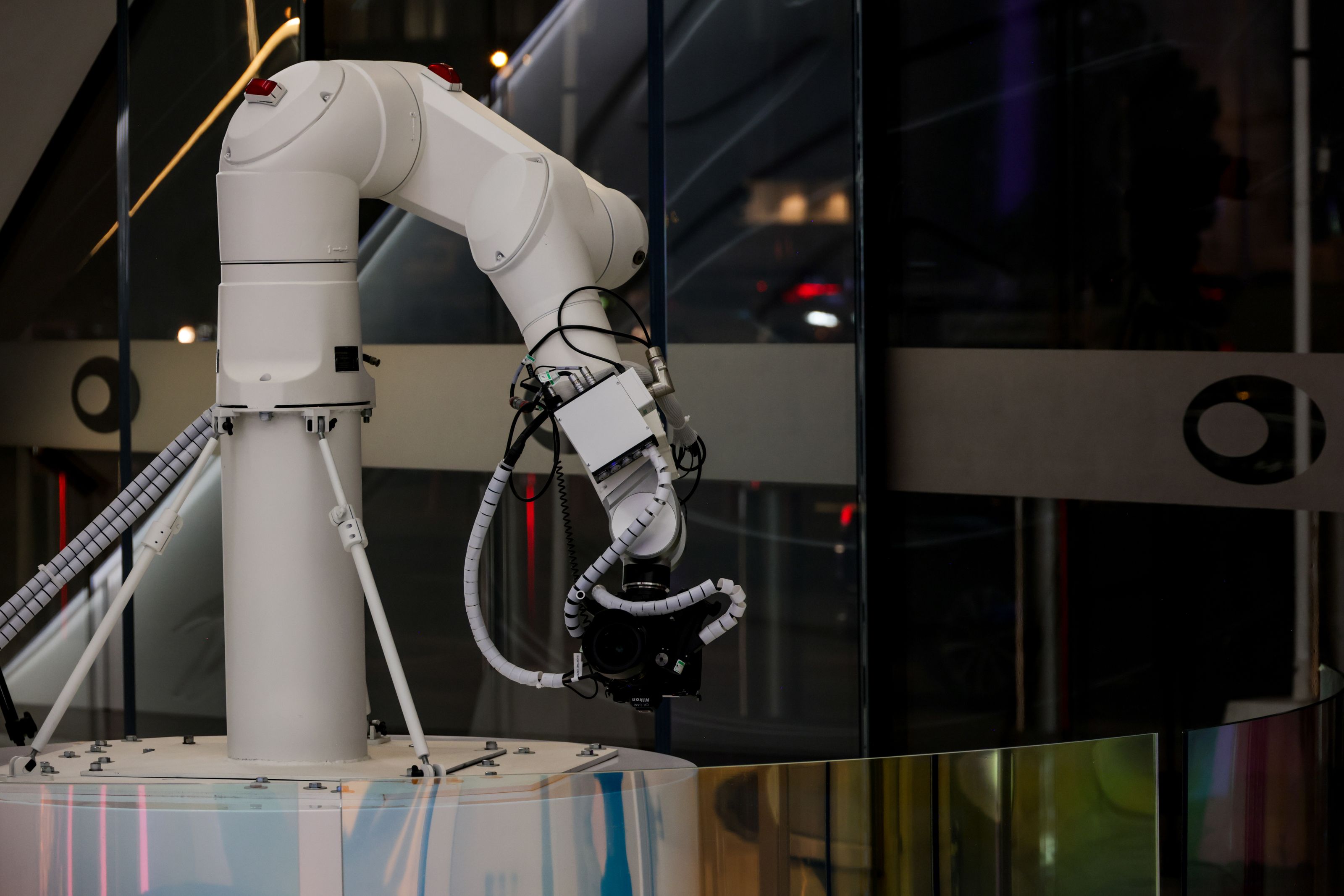
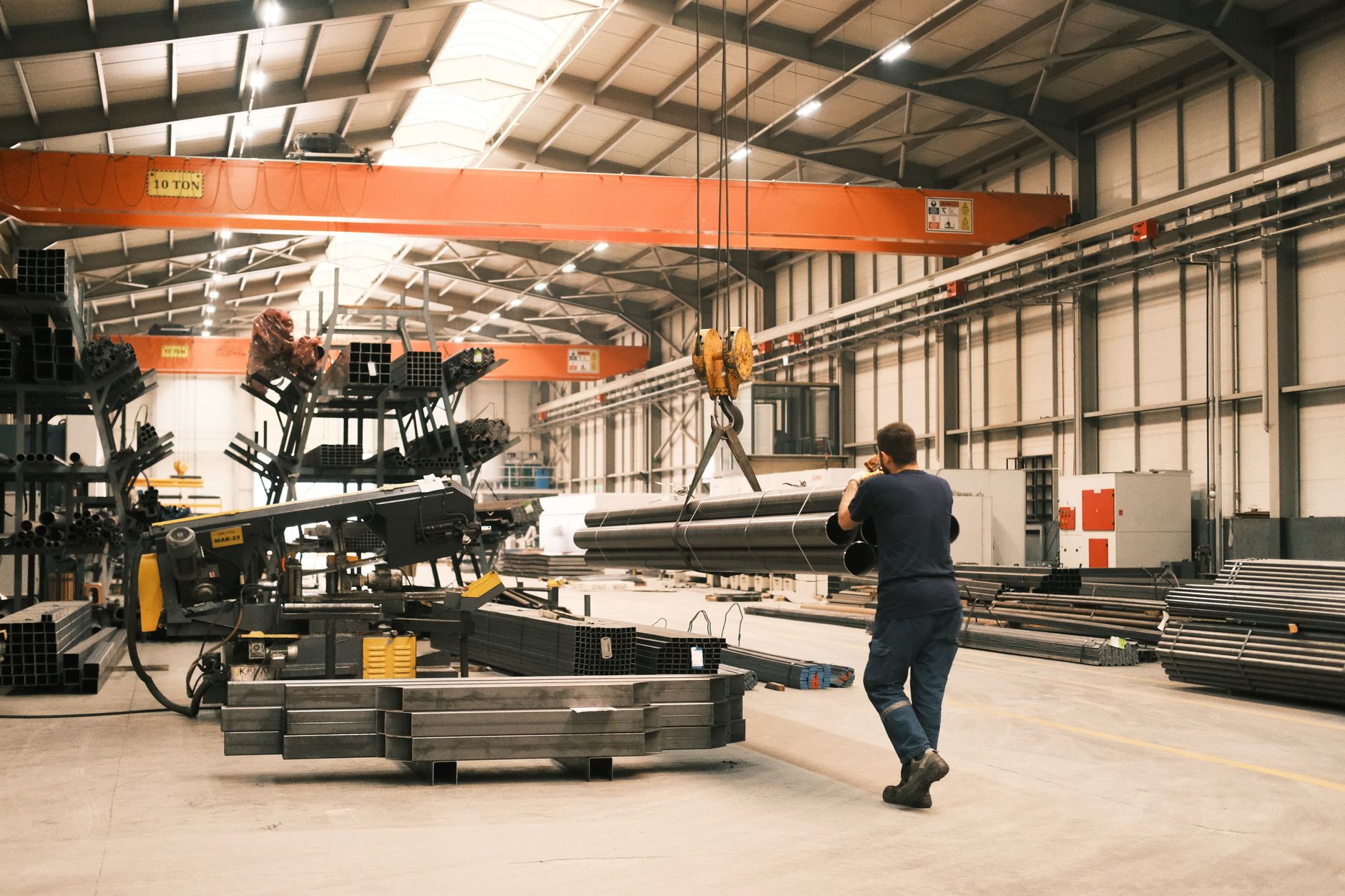
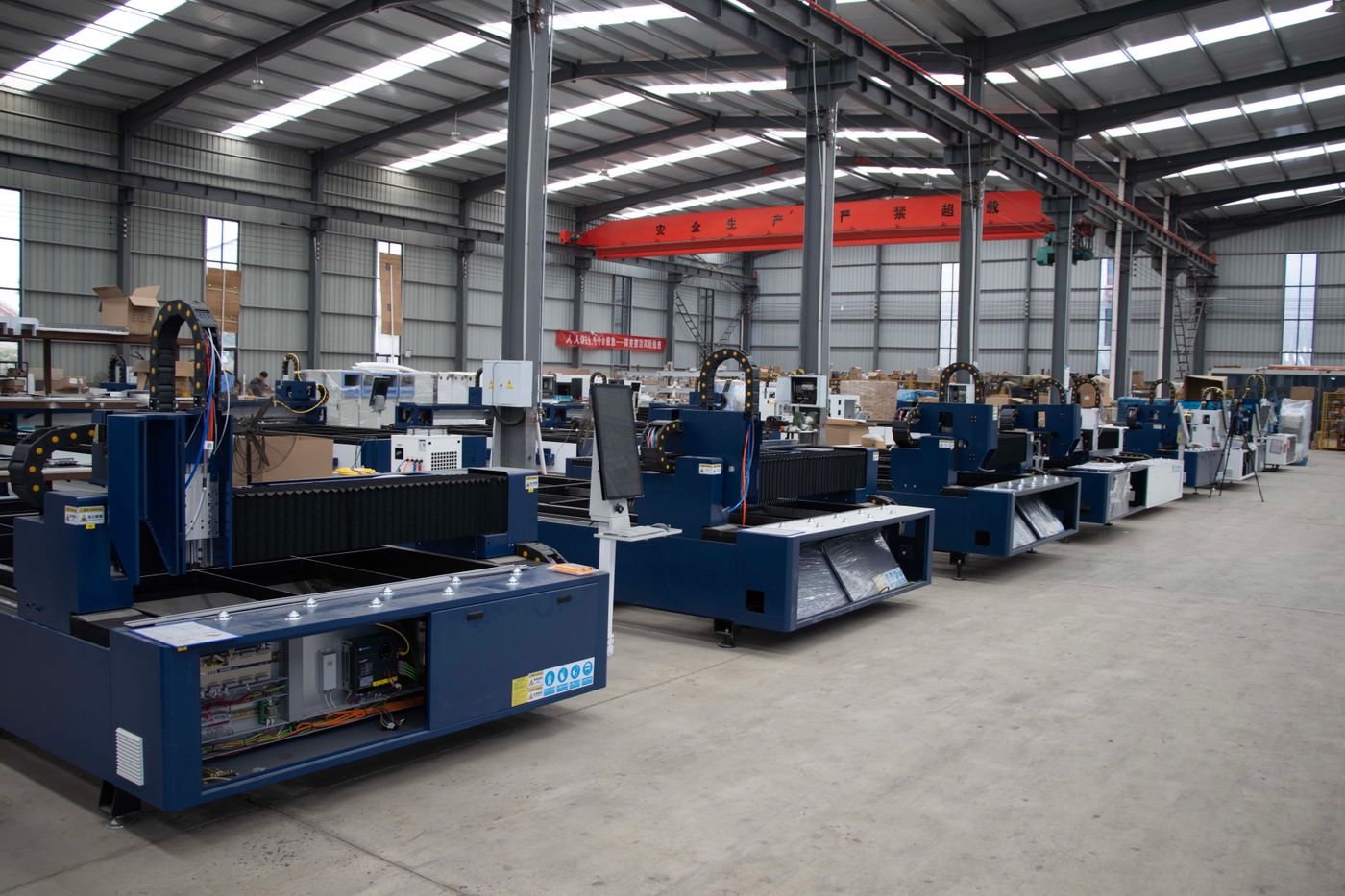
For years, the robotics industry's favourite trick was the demo. A nimble arm, a slick video, a standing ovation. RoboWeek 2026, anchored by MassRobotics, one of the world's most credible robotics institutions, is telling a different story this year. The conversation has shifted from proof-of-concept to production throughput, from lab environments to live factory floors. Physical AI, the marriage of machine learning with robots that operate in the physical world, is now generating measurable output in manufacturing, logistics, and operational efficiency at scale. The demo era is ending. The deployment era is here.
The timing matters. 2026 is arriving with a convergence of conditions that accelerate adoption: sustained infrastructure investment, renewed defense spending, and a manufacturing sector that spent two years post-pandemic exposed by its own fragility. MassRobotics framed RoboWeek 2026 explicitly as an industry inflection point, not a milestone celebration. That institutional framing carries weight. When one of the most influential robotics hubs in the world stops using cautious language and starts talking about transformation, founders and investors should be paying close attention to what is actually shipping, not what is being pitched.
The clearest signal from the 2026 highlights is that specialised robots are outpacing generic ones in real-world scaling velocity. Application-specific Physical AI, built for a defined task in a defined environment, is compressing the deployment timeline significantly compared to general-purpose platforms still chasing flexibility. MassRobotics' own programming reflected this, with hands-on workshops, coding challenges, and demonstrations built around specific industrial use cases rather than broad capability showcases. The implication for investors is direct: bets on vertical-specific robotics startups with proven manufacturing integrations are de-risked in a way that horizontal platform plays simply are not yet.
The workforce dimension is equally important and frequently underreported. AI-driven automation is not eliminating manufacturing roles uniformly. It is bifurcating the labour market, raising demand for robotics-literate operators while displacing repetitive manual positions. MassRobotics' student workshops and STEM programming during RoboWeek are not peripheral feel-good activity. They are a direct response to the skills gap that is already throttling deployment timelines for companies that have the capital and the robots but not the people trained to run them. Founders building in this space who ignore workforce integration are engineering their own adoption bottleneck.
Over the next twelve months, the divide between robotics companies with verifiable manufacturing ROI and those still trading on narrative will become impossible to ignore. Major infrastructure and defense contracts are expected to accelerate application-focused Physical AI procurement, pulling forward revenue timelines for the startups best positioned at that intersection. Investors will demand deployment metrics, cycle time improvements, defect rate reductions, uptime percentages, not just addressable market slides. The companies that survive the next fundraising cycle will be the ones that walked into RoboWeek 2026 with a customer reference, not just a roadmap.
 The Future FrontBe on the cover.Twice a month we put the people shaping what's next on our cover.Apply for the cover