London Tech Week 2026: Where Deals Get Done
30,000 founders and investors are on the floor right now, and the UK just dropped a £400M AI compute plan to back them up.
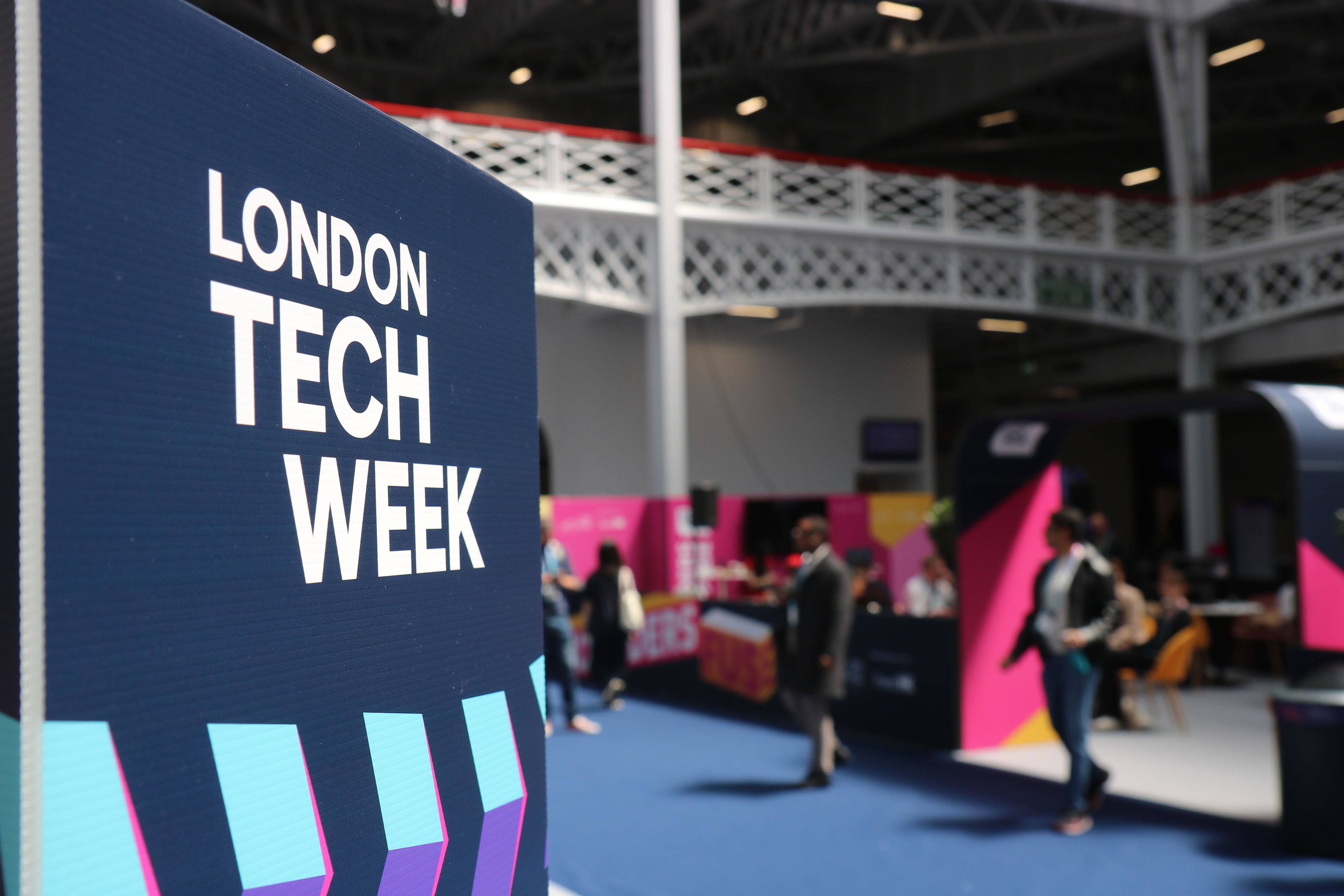
London Tech Week 2026 is not a conference. It is a capital market with keynotes. Running 8 to 12 June at Olympia London, the event has drawn an estimated 30,000 founders, investors and ecosystem leaders, making it Europe's largest annual gathering of its kind. This year, the UK government moved from observer to participant, announcing a £400 million sovereign AI compute plan and a separate £12 million fund aimed directly at small-business AI adoption. For any founder still treating London Tech Week as a networking event, that framing is badly out of date.
The most structurally significant addition this year is Startup World, a dedicated zone carved out for startups, scaleups, investors and ecosystem partners. It anchors three focused stages: the Founders Stage, the Ignition Stage, and the Deep Tech Stage. The separation matters. It signals that the organizers have acknowledged what attendees have known for years, which is that the needs of a Series A founder and the needs of an enterprise CTO do not belong in the same room. Startup World gives early-stage companies a credible venue to pitch, meet capital, and benchmark themselves against peers in real time.
The government's AI policy posture is the subplot that every founder should be tracking. The £400 million sovereign compute commitment is a direct response to concerns that British startups were falling behind on access to the GPU infrastructure that AI development demands. The £12 million small-business support package, while modest in absolute terms, is a signal about where regulatory attention is pointing. Sessions on the agenda addressed the workforce and transformation implications of AI directly, with speakers from Microsoft, Innovate Finance, and techUK all on the programme. Policy is no longer background noise at this event. It is a primary input for founders making product and fundraising decisions.
The investor density at this event is a practical asset, not a branding one. London's VC, CVC and angel community is concentrated in a single building for five days, and the event's app is designed to surface profile-matched meetings rather than leave networking to chance. For founders at seed to Series B, the opportunity cost of not being in the room is measurable. Major tech firms have pledged billions for AI infrastructure in the UK, and the founders best positioned to capture that downstream spend are the ones building relationships with the capital allocators shaping where it flows.
The next twelve months will test whether London Tech Week's policy momentum translates into deployable capital for startups. The £400 million compute plan needs procurement and access frameworks before it benefits anyone below enterprise scale. If the government moves quickly, a new class of British AI startups with real infrastructure access could emerge by mid-2027. If the process stalls, the announcements made this week will age into another reminder that UK tech policy moves slower than UK tech ambition. Founders who engaged directly with the policy sessions this week are already a step ahead of those who watched from the outside.
 The Future FrontBe on the cover.Twice a month we put the people shaping what's next on our cover.Apply for the cover