Genesis AI Raises $500M to Scale Humanoid Robots
French physical AI startup Genesis AI lands $500M at a $3.5B valuation to commercialize general-purpose humanoid robots for manufacturing.
French physical AI startup Genesis AI has secured $500 million in a Series A funding round that values the business at $3.5 billion post-money, according to official company statements reported by Channel NewsAsia. The investment stands as one of the largest single early-stage capital raises in European technology history, underscoring intense global investor appetite for embodied artificial intelligence. Premji Invest, Khosla Ventures, and Eclipse co-led the mega-round, with strategic corporate backing from semiconductor giants Nvidia and AMD Ventures alongside Samsung Next and Zoom. Prominent individual technology executives including former Google chief executive Eric Schmidt, Zoom founder Eric Yuan, and Yahoo co-founder Jerry Yang also joined the equity round alongside French state bank Bpifrance.
Founded in 2024 by Chief Executive Officer Zhou Xian and Théophile Gervet, Paris-based Genesis AI is pursuing a full-stack vertically integrated approach to accelerate physical automation in heavy industry. Rather than licensing third-party software models or relying on standard off-the-shelf robotic components, the enterprise designs its proprietary neural architectures together with custom mechanical hardware. Its core software breakthrough, an AI foundation model called GENE, acts as the central brain that translates real-time sensory inputs into fluid physical motion and complex spatial reasoning. By unified engineering of both the neural algorithms and the physical actuators, Genesis aims to eliminate latency bottlenecks and mechanical rigidity that historically constrained industrial automation.
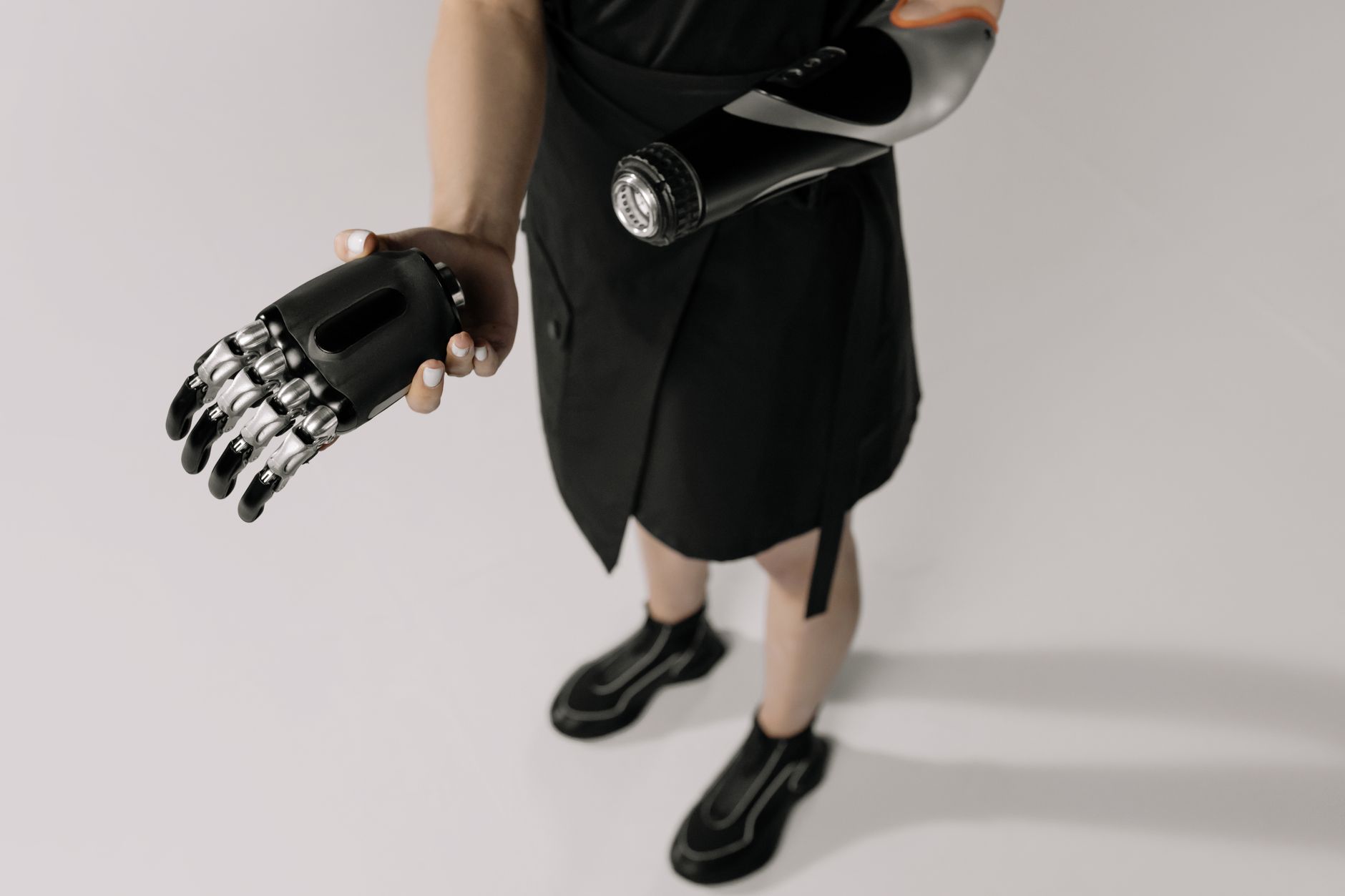
The $500 million capital infusion will directly support hardware manufacturing expansion and accelerated commercial deployment of Eno, the startup's flagship general-purpose humanoid robot. A core technical differentiator for Genesis lies in its custom robotic hand, which features multi-jointed motor control designed to closely match human hand dexterity and manipulate standard industrial tools. The company is currently scaling early pilot installations for Eno across advanced manufacturing plants, high-volume logistics hubs, and automated life science laboratories. By training its underlying neural network using specialized tactile glove data, GENE enables robots to master intricate assembly and sorting routines far faster than traditional synthetic simulation models.
This funding milestone highlights a decisive rotation among venture capital firms toward physical AI as generative software models encounter increasing market saturation. European deep-tech startups have historically suffered from a severe late-stage funding gap, which frequently compelled leading founders to relocate their headquarters to Silicon Valley in search of mega-scale capital rounds. Genesis commanding a $3.5 billion valuation proves that global venture syndicates are eager to finance ambitious European hardware platforms competing on a global stage. The deal creates a formidable European challenger to American humanoid developers such as Figure AI and Tesla, establishing a multi-polar race for physical automation dominance.
Over the next twelve months, Genesis plans to double its specialized technical staff in Paris while constructing the specialized manufacturing infrastructure required for mass market production in 2027. The company will expand its ongoing trial deployments into active automotive and semiconductor assembly plants across Western Europe and East Asia, subjecting Eno to intensive multi-shift stress tests. As industrial enterprises battle structural labor shortages and rising production overhead, the performance of Genesis during these live factory integrations will serve as a crucial test of humanoid unit economics. If the firm meets its commercial milestones, it will establish physical AI as Europe's premier deep-tech growth engine.
 The Future FrontBe on the cover.Twice a month we put the people shaping what's next on our cover.Apply for the cover