Clean Energy Is Breaking Its Own Records in 2026
The U.S. is on track to add 86 GW of clean energy in 2026, and the real story is where the bottlenecks are choking the next wave of growth.

The U.S. power grid is about to have its biggest year ever. According to the Energy Information Administration's latest Preliminary Monthly Electric Generator Inventory, developers plan to add 86 gigawatts of new utility-scale capacity in 2026, shattering the previous record of 53 gigawatts set just last year. Solar alone accounts for 51% of that figure, roughly 43.4 gigawatts, with battery storage adding another 24 gigawatts and wind contributing 11.8 gigawatts. The numbers are not projections built on optimism. They reflect permits filed, contracts signed, and equipment ordered.
What makes this moment different from previous clean energy surges is the breadth of demand pulling it forward. Corporate buyers chasing net-zero commitments are sitting alongside utilities trying to keep pace with AI data center load growth, and both are signing long-term power purchase agreements at a rate that is backstopping developer confidence. The EIA notes that 93% of new capacity coming online in 2026 will be clean. That is not a policy artifact. It is the market pricing fossil fuels out of new build economics in real time.
Globally, the momentum is just as striking. IRENA data shows that wind energy additions hit a record 158.7 gigawatts in 2025, up 14% year over year, with solar continuing its near-vertical growth trajectory. The cost curves that analysts spent a decade forecasting have arrived. Utility-scale solar is now the cheapest source of new electricity generation in most of the world, and storage costs have followed a similar compression curve. The deployment cycle is no longer constrained by economics. It is constrained by infrastructure.
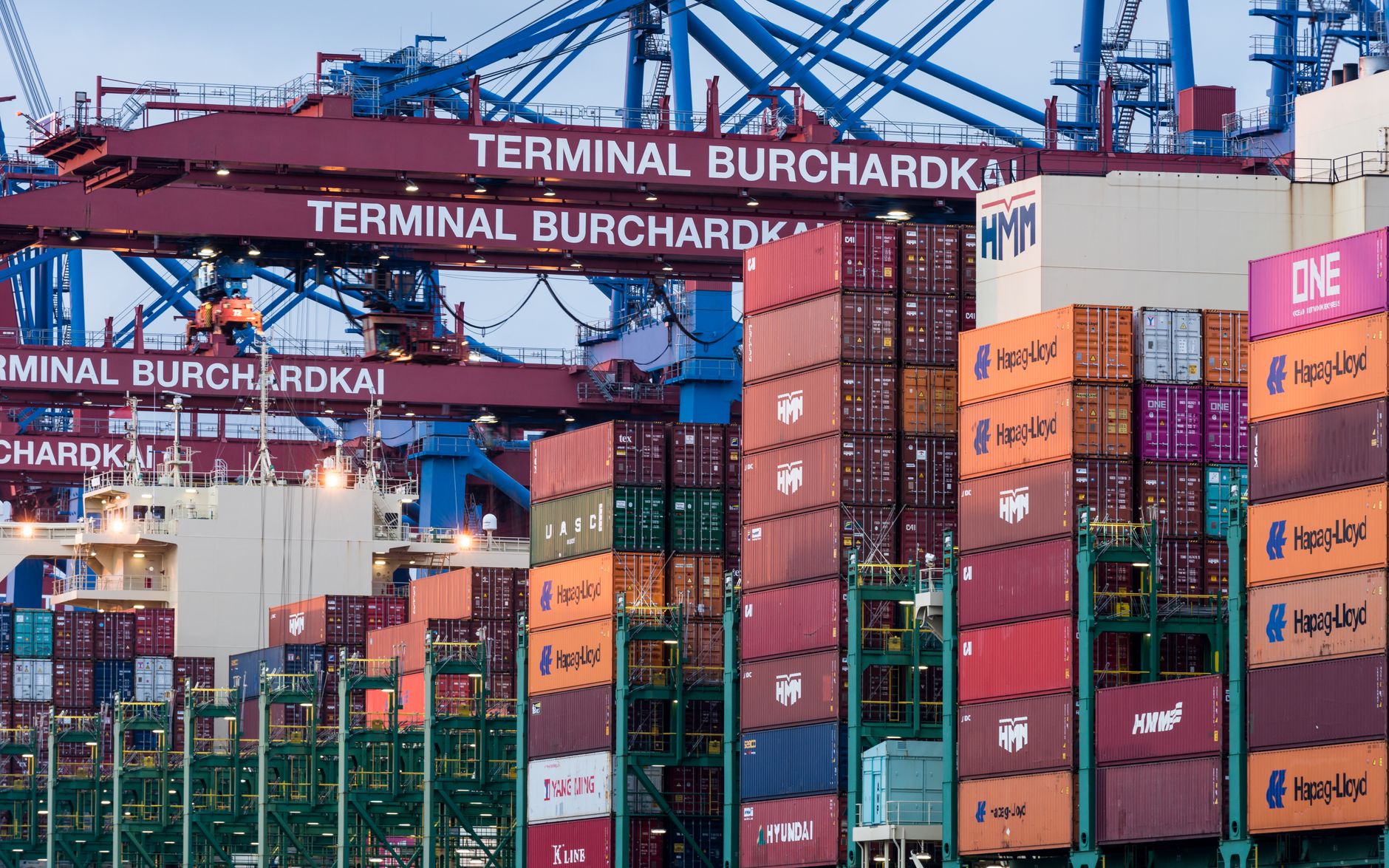
That infrastructure constraint is the real story for founders and investors. Grid interconnection queues in the U.S. stretch for years. Supply chains for transformers, inverters, and transmission equipment are running hot. Software that can compress project timelines, optimize grid interconnection filings, or dynamically manage distributed storage assets is not a nice-to-have. It is a critical path item. The bottleneck has shifted from capital formation to execution, which means the next wave of climate-tech value creation will be built by companies solving operational problems, not just hardware ones.
Over the next twelve months, expect interconnection reform to move from regulatory debate to active policy, as grid operators face political pressure to clear backlogs that are visibly choking a record build cycle. Investors who have been sitting on the sidelines waiting for policy certainty will find the market is not waiting for them. The founders worth backing right now are the ones treating grid infrastructure software, supply chain logistics, and storage optimization as the unsexy, high-margin, defensible problems they actually are. The energy transition is no longer a thesis. It is a construction schedule.
 The Future FrontBe on the cover.Twice a month we put the people shaping what's next on our cover.Apply for the cover