a16z's Bryan Kim on What Comes After AI Productivity
A live read from London Tech Week's floor: a16z's Bryan Kim signals where consumer AI money moves next.
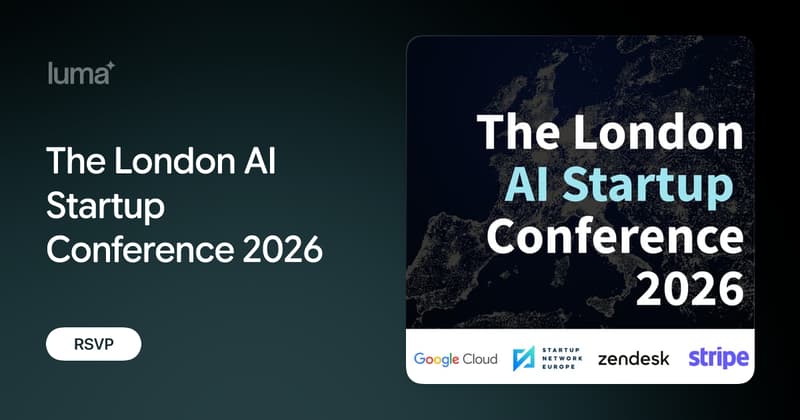
London Tech Week 2026 draws over 30,000 attendees across five days, making it the largest tech gathering in Europe and, increasingly, a credible compass for where global capital is pointing. This year, one signal cut through the noise. Andreessen Horowitz partner Bryan Kim, speaking live from the event floor, laid out a thesis that reframes how serious investors should be reading the consumer AI wave right now. His argument is not about what AI can do. It is about what happens after people stop being impressed by it.
Kim, known inside a16z as BK, leads the firm's consumer AI investment practice with a portfolio that includes ElevenLabs, Captions, Function Health, and Cluely. That list is not random. It maps neatly onto the thematic clusters he has been building around: voice and expression, health intelligence, and frictionless creation. What connects them is not the technology stack. It is the user relationship. Each one sits inside a daily behaviour, not adjacent to it. That positioning is deliberate, and it is where Kim believes the next wave of durable consumer companies gets built.
The core prediction Kim is pushing into 2026 is a shift from productivity to connectivity. The first generation of consumer AI, tools that helped people write faster, summarise smarter, and automate the mundane, has largely played out. The companies that got there early have the distribution. What is still wide open, in Kim's framing, is the connectivity layer: AI that does not just make you more efficient in isolation, but changes how you relate to other people, to your own health data, and to creative communities. His bets on Civit.ai and Slingshot AI point directly at that thesis.
For founders in the room at London Tech Week, the implication is sharper than it sounds. Pitching a productivity gain is now table stakes, not a differentiator. The partners writing the big cheques are asking a different question: does this product create a new kind of relationship, or does it just speed up an old one? That distinction will separate the companies that raise Series A rounds in the next 18 months from the ones that stall at seed. The venture capital market is not drying up for consumer AI. It is getting more selective about which version of consumer AI it funds.
Over the next twelve months, expect a16z and firms watching their lead to double down on consumer health and social creation as the two verticals most likely to produce breakout connectivity plays. Regulatory tailwinds in the UK and EU around health data access will accelerate startup formation in that lane, and London is already positioning itself as the logical home for that intersection of policy and product. The founders who walk away from this week with Kim's framework will have a meaningful edge in how they shape their next fundraising narrative. The shift from productivity to connectivity is not a prediction. It is already the investment thesis.
 The Future FrontBe on the cover.Twice a month we put the people shaping what's next on our cover.Apply for the cover