Six Records Solar Crushed in H1 2026
California's grid hit 23 GW of solar and 12.99 GW of battery discharge in a single 24-hour window, rewriting every investor model built on slower adoption curves.
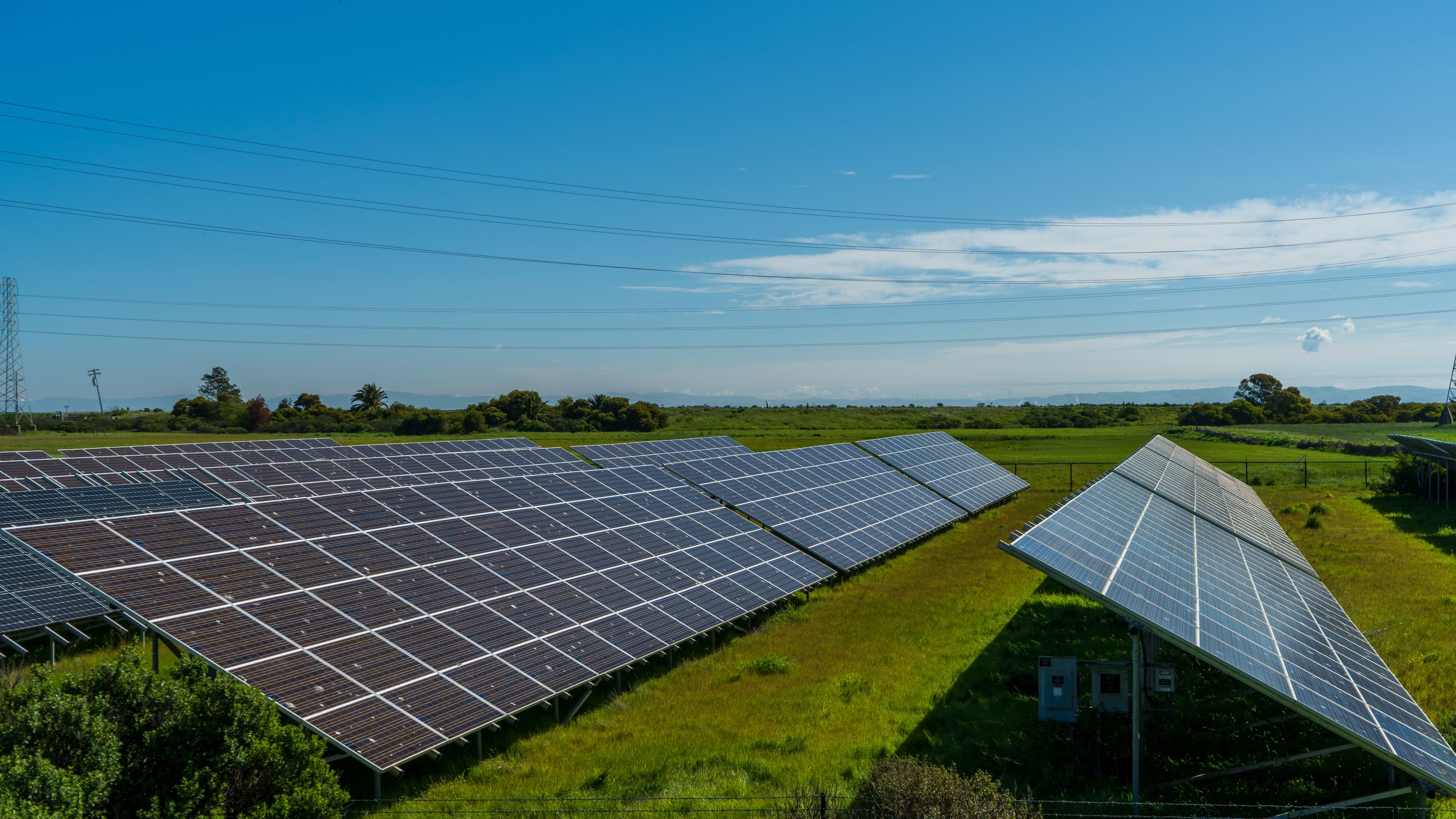
Six distinct solar and storage records fell in the first half of 2026, compressing what analysts modelled as a multi-year adoption curve into a single half-year sprint. On July 10, California's CAISO grid delivered 23 gigawatts of solar power, covering 72% of afternoon regional demand. It was the third time California had broken its own solar generation record since June 1. The pace is not incremental. It is a different kind of transition entirely.
The records matter less as headlines and more as structural signals. When a single grid resource routinely covers the majority of afternoon demand, the entire economic logic of that grid begins to shift. Solar is no longer a supplement filling gaps around dispatchable baseload. It is the dominant afternoon generator, and every asset class sitting adjacent to it, from peaker plants to transmission operators, has to reprice its future accordingly. Investors working from pre-2025 deployment timelines are now operating with the wrong map.
The battery data from the evening of July 9 is the more consequential number. California's storage fleet discharged a record 12.99 gigawatts, covering 36% of total regional demand during post-sunset peak hours, historically the hardest moment for any grid leaning on intermittent renewables. For context, that single discharge figure exceeds New York City's entire peak summer consumption. Storage is no longer a future hedge against solar intermittency. It is already doing the heavy lifting in real time, on one of the largest grids in the world.
The immediate implication for founders and investors is about where the bottleneck migrates next. As solar routinely overwhelms afternoon demand, the binding constraint shifts upstream and downstream simultaneously. Grid interconnection queues are already stretched. Smart inverter software, virtual power plant orchestration, and dynamic grid pricing infrastructure become the critical unlock. The startups solving grid saturation, not solar generation itself, are now the ones with genuine near-term leverage. That distinction is worth billions in redirected capital.
In the next 12 months, expect California's records to be broken again, and expect other grids to close the gap faster than anyone modelled. Texas, with its independent ERCOT system and aggressive storage build-out, is the obvious next data point. More importantly, the market design questions that seemed theoretical two years ago, negative pricing events, storage dispatch rights, demand flexibility incentives, move from policy papers to urgent commercial problems. The founders who treat grid saturation as the product opportunity, not the obstacle, are the ones positioned for what this transition actually looks like at scale.
 The Future FrontBe on the cover.Twice a month we put the people shaping what's next on our cover.Apply for the cover