Xellar's $56M Haul Proves Biotech Can Monetize Early
Xellar Biosystems pushed its 2026 funding to $56 million by selling biological simulation services long before traditional drug discovery hits the market.
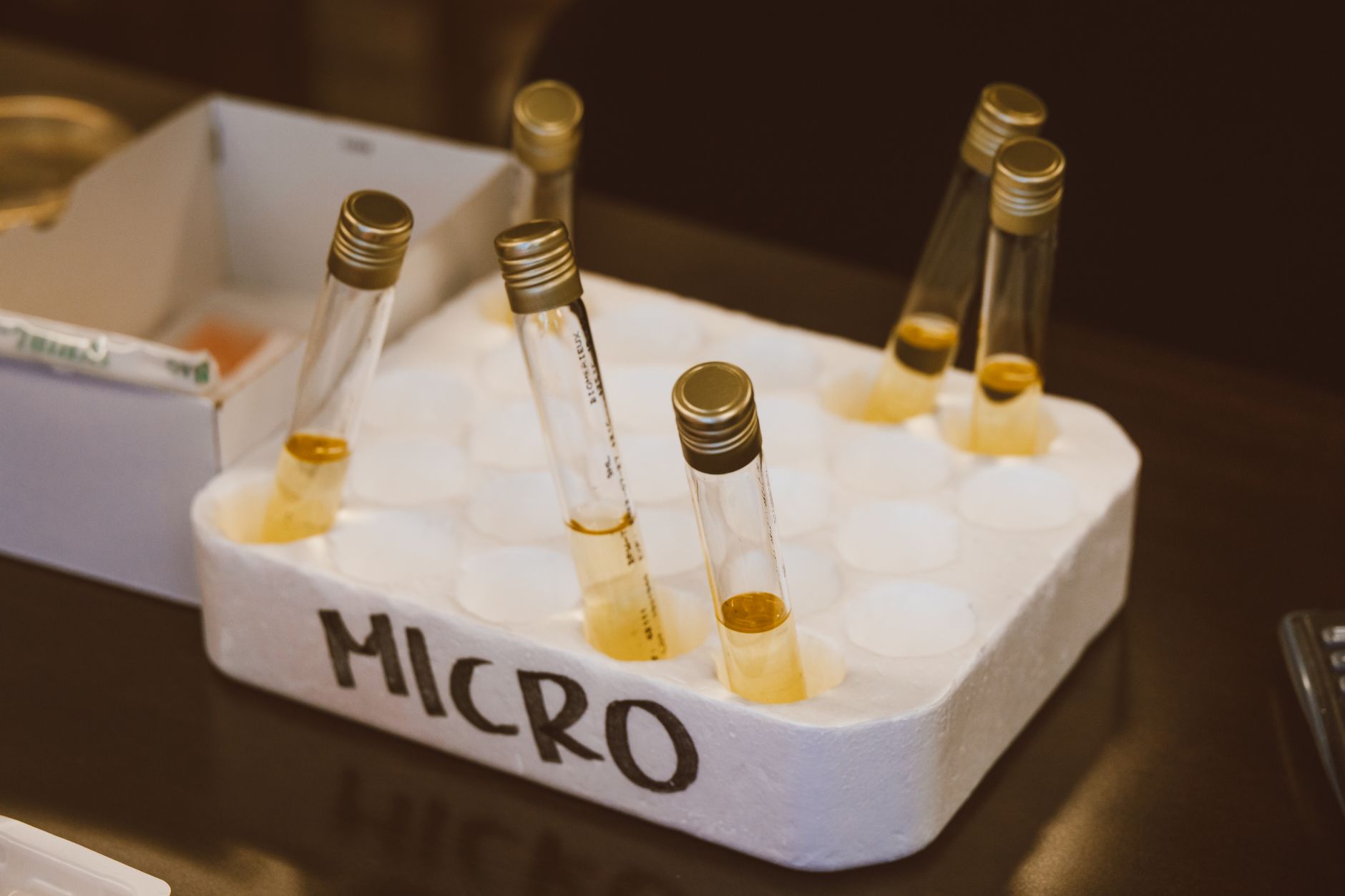
Organ-on-a-chip pioneer Xellar Biosystems pushed its 2026 fundraising total to roughly $56 million following a new strategic injection, building directly on its $50 million Series A and A+ rounds closed in June. According to company disclosures reported by Dealroom, the Boston-based deeptech team has managed to stand out in a tight venture market by locking in commercial research partnerships while its biological hardware is still evolving. Early stage biotech hardware usually burns capital for half a decade before generating a single dollar of top-line revenue. Xellar is bucking that trend by turning its automated tissue micro-architectures into immediate research engines for pharmaceutical clients.
The conventional playbook for life science automation requires founders to choose between selling pure software or spending hundreds of millions to build proprietary drug pipelines. Xellar takes a third path by combining microfluidic organ chips, automated high-content imaging, and multi-omics profiling into an integrated bio-intelligence platform. By generating continuous streams of human-relevant tissue data, the platform allows drug discoverers to replace animal testing long before clinical trials begin. This approach directly addresses the primary failure point in modern drug development, where over ninety percent of candidates fail in human trials due to inaccurate preclinical models.
Founder Xie Xin emphasized that platform-driven research partnerships now generate the bulk of the company's operational revenue, proving that enterprise pharma will pay for real-time biological simulation. The company's technology stack captures high-resolution cellular responses across automated lab arrays, translating physical cell behavior into computational models known as virtual cells. According to PR Newswire filings from the financing, Xellar is allocating the fresh capital toward expanding its automated data generation capabilities and hiring computational biology teams to bridge experimental lab work with generative software models. This hybrid structure gives commercial partners access to synthetic human tissue data without forcing Xellar to bear the risk of full-scale drug development.
For venture investors, Xellar's momentum provides a clear template for how hardware-heavy deeptech startups can navigate current capital constraints. By proving early monetization through co-development agreements, biological automation companies can de-risk their equity rounds and maintain valuation leverage. Founders building physical technologies, from advanced robotics to novel materials, are increasingly forced to show commercial traction far earlier than previous venture cycles required. Xellar demonstrates that enterprise partnerships can serve as both validation metrics and non-dilutive financing mechanisms for capital-intensive platforms.
Over the next twelve months, the biological simulation market will reach a critical tipping point as regulatory agencies accelerate approvals for non-animal preclinical data. As synthetic biological datasets mature, expect major pharmaceutical companies to move beyond pilot projects and sign multi-year platform subscriptions with organ-chip developers. Xellar's expansion into virtual cell modeling will likely force competing biotech startups to integrate automated hardware with AI analytics or risk losing enterprise deals. The teams that successfully turn physical biology into predictable, high-throughput software inputs will dictate the future of therapeutics discovery.
 The Future FrontBe on the cover.Twice a month we put the people shaping what's next on our cover.Apply for the cover