Europe Spends Billions Attracting Talent. Why Do We Spend Almost Nothing Making It Stay?
Europe pours money into attracting international talent but almost nothing into making it stay. ELSSSE wants to measure, and build, belonging.

Europe is racing to attract international talent. Cities run campaigns, governments design fast-track visas and employers pay relocation packages. Almost all of that effort goes into getting people to arrive. Very little goes into making them stay.
The result is a quiet leak. Many newcomers live in a city for years without ever becoming part of it. They work, they pay taxes, they rent an apartment, and then one day they leave. When they go, the investment leaves with them.
"We treat talent as a recruitment problem when it is really a belonging problem," says Andreas Öhman, Founder and CEO of ELSSSE.
Belonging is decided in the neighbourhood
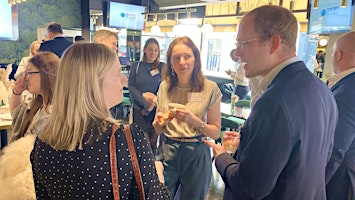
The usual answers are one-off welcome events, language apps and the occasional networking evening. They help people arrive. They rarely help people belong.
ELSSSE starts from a different idea: retention is decided outside the office, in the neighbourhood. People feel at home when they contribute to the place they live and are recognised for it. Belonging grows from doing things together, not from being welcomed once.
From participation to a belonging index
ELSSSE brings locals and newcomers together in real-world neighbourhood projects. It then turns that participation into a belonging index.
That index is the new part. Until now, cities and employers have mostly guessed at social cohesion through yearly surveys. ELSSSE measures it from real participation, giving them data on what is actually working and where people are being left out.
Why it matters now
Three pressures make this urgent.
Ageing populations and labour shortages mean every newcomer who leaves is an expensive loss, for the employer who recruited them and for the city that needs their skills.
Remote work means skilled people can choose where to live. Making them feel at home has become a competitive advantage between cities, not a nice extra.
And rising loneliness and low trust are weakening the social fabric that cities depend on, for newcomers and long-time residents alike.
For ELSSSE, these are one challenge, not three. "Keeping talent and keeping societies together are the same problem," Öhman says.
What comes next
ELSSSE is starting its first pilots in Finland, working with cities and employers that want to keep the people they worked so hard to attract.
Europe has become very good at the first part of the talent story: getting people through the door. ELSSSE is building the second part, the one that decides whether they stay.
Learn more about ELSSSE and its belonging index at elssse.com.
 The Future FrontBe on the cover.Twice a month we put the people shaping what's next on our cover.Apply for the cover