VC in 2026: AI Bets, Frozen Exits, New Rules
AI is eating venture capital whole, IPO windows are still shut, and the rules for raising a Series A have permanently changed.
Q1 2026 shattered venture funding records, and the story is brutally concentrated. A handful of AI-native companies, including three major frontier labs and Waymo, captured the bulk of capital, with at least 13 companies closing rounds of $1 billion or more in a single quarter. Early-stage deals are up over 40% year-on-year, seed rounds are up over 30%, and yet the median founder is not seeing any of this. The boom is real. It is just not evenly distributed.
The structural logic here is not complicated. Post the 2022 correction, limited partners got burned by overexposed generalist funds chasing growth at any price. What replaced that playbook is a sharper, harder calculus: back foundational technology at scale, or back capital-efficient businesses with clear paths to margin. Everything in the middle, the Series B SaaS company growing at 60% but burning hard, is in genuine trouble. The bar for a Series A has risen substantially, and it is not coming back down.
The liquidity picture is where the real tension lives. IPO markets remain constrained into mid-2026, leaving late-stage investors sitting on positions they cannot exit cleanly. Secondary markets are picking up volume, but at discounts that sting. Founders who raised at 2021 peak valuations are navigating down-round dynamics or extended timelines they did not model. The "Nothing Ventured" podcast framed it plainly: this is a liquidity crisis still facing founders and investors, not a funding crisis. Capital exists. The ability to return it does not.
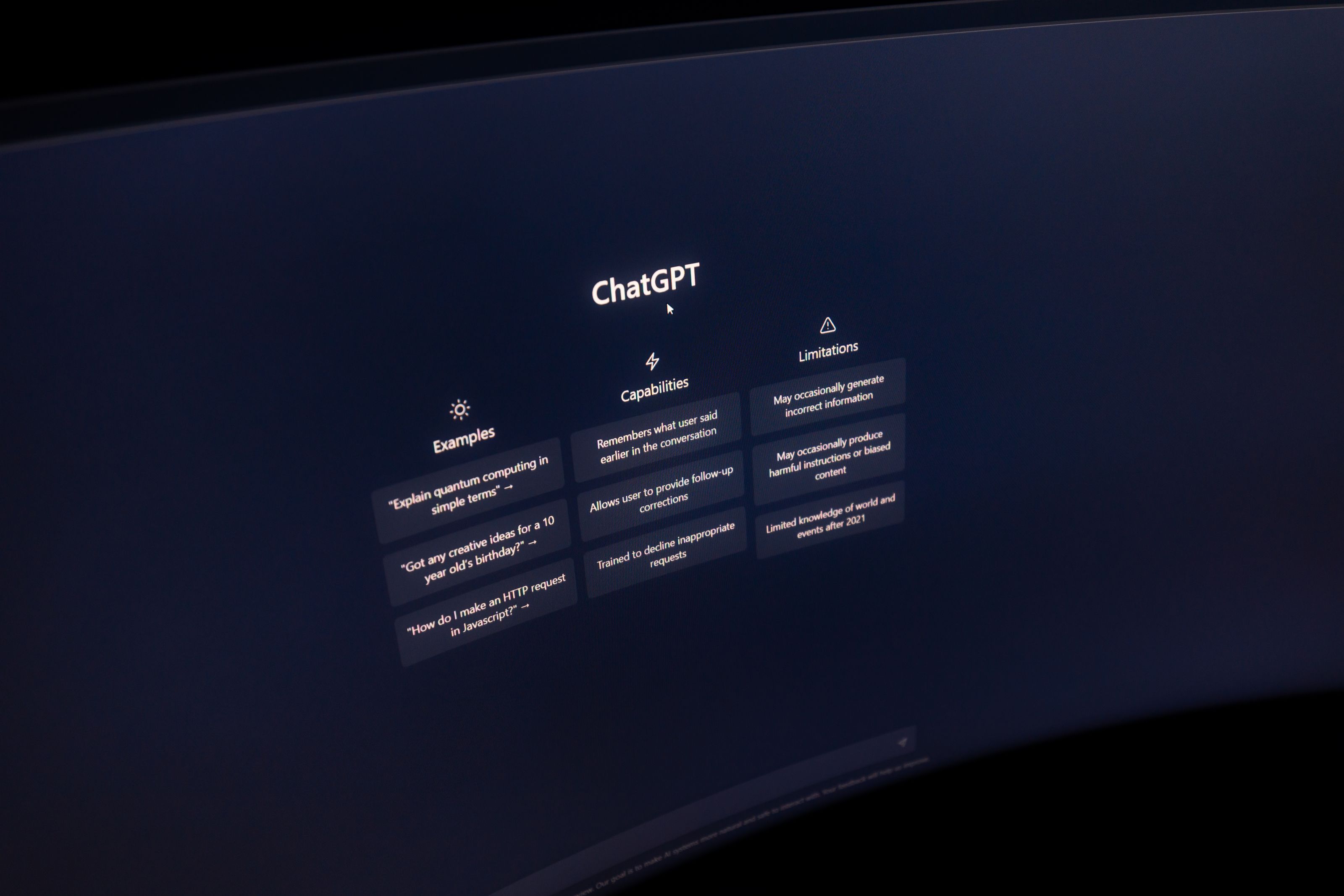
For investors, the AI concentration is not irrational, even if it looks like a bubble from the outside. Platforms like OpenAI are accumulating structural power across developer tooling, enterprise contracts, and consumer distribution simultaneously. That kind of compounding makes venture math work even at eye-watering valuations. US-based AI deals now account for over 80% of total venture volume by value, a concentration that reflects both talent density and the winner-take-most dynamics of foundation model infrastructure. Emerging managers outside that orbit are finding fundraising significantly harder, squeezed between LP caution and megafund dominance.
In the next 12 months, expect two things to force a reckoning. First, a wave of 2021-vintage funds will hit their natural end-of-life, pressuring general partners to generate liquidity through M&A rather than IPOs, which means acquisition activity accelerates whether the strategic buyers want it to or not. Second, the AI investment thesis will begin to bifurcate cleanly between infrastructure winners and application-layer casualties. Founders building on top of commodity models without defensible distribution or data moats will find the funding window closing faster than they expect. The era of "AI" as a category sufficient to raise on is ending. Specificity is the new signal.
 The Future FrontBe on the cover.Twice a month we put the people shaping what's next on our cover.Apply for the cover


