Trump's AI War Is Inside the White House
The administration that promised to win the AI race can't agree on the rules of the game, and the whole world is watching.
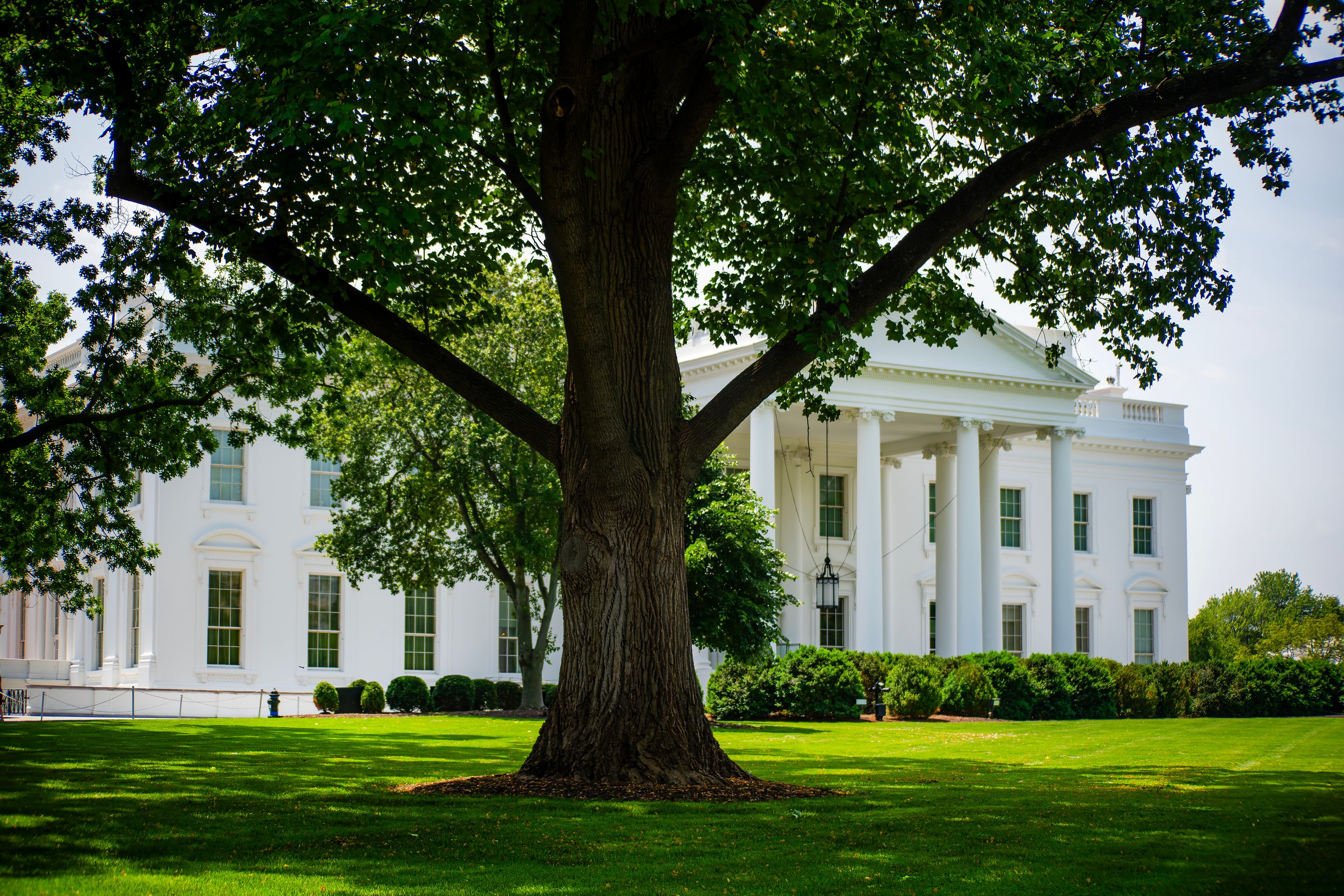
On March 20, 2026, the White House released its National Policy Framework for Artificial Intelligence, a non-binding wish list that was supposed to signal decisive leadership. Instead, it exposed a fractured administration. The document preaches innovation and deregulation in one breath while quietly nodding to national security concerns that demand exactly the opposite. For founders building at the frontier and investors pricing regulatory risk into every term sheet, this contradiction is not a footnote. It is the story.
The framework is best understood as a political compromise document, which means it fully satisfies nobody. On one side sit the deregulators, ideologically committed to the idea that any federal guardrail is a gift to China. On the other sit the national security hawks inside the administration, deeply uncomfortable with the idea that frontier AI systems, some capable of accelerating weapons design or breaking encryption, should face no binding federal oversight at all. The White House has not resolved this tension. It has packaged it in a PDF and called it a policy.
The framework's most concrete mechanism is not a regulation. It is a litigation strategy. The Trump administration tasked the Attorney General with coordinating legal action against state-level AI laws deemed to be innovation-limiting, and in January 2026, the AG formally announced an AI litigation task force to execute exactly that. Federal funding and infrastructure support can now be conditioned on state compliance. The administration is, in effect, using federal money and legal firepower to prevent a patchwork of state rules while offering nothing binding in their place. That is not a regulatory framework. That is regulatory negative space.
The implications reach well beyond Washington. The EU is already watching whether the US model of preemption-without-mandate creates a viable alternative to the Brussels approach of hard liability rules and compliance thresholds. The UK, positioning itself as a pro-innovation middle ground between American permissiveness and European caution, is drawing its own policy conclusions in real time. If the Trump administration's internal paralysis produces genuine policy uncertainty, it does not stay domestic. It becomes the global default, because no other jurisdiction has the market gravity to fill the gap. A vacuum in Washington is a vacuum everywhere.
The next twelve months will force a resolution, whether the administration wants one or not. Congress will eventually have to act on the framework's legislative recommendations, at which point the fault lines inside the White House become fault lines inside committee rooms. A single high-profile AI incident, whether a security breach traced to a frontier model or a consumer harm case that catches public attention, could collapse the current ambiguity overnight and drag the hawks to the front of the room. Founders and investors should not be waiting for certainty to arrive neatly. They should be building legal and compliance flexibility into their structures now, because the shape of federal AI law in the United States is going to be decided in the next year, loudly and messily, and the starting position is a White House at war with itself.
 The Future FrontBe on the cover.Twice a month we put the people shaping what's next on our cover.Apply for the cover


