The US Solar Inundation Has Arrived
As a record-breaking wave of solar power floods the US grid, the real venture opportunity has shifted from generating electrons to managing them.
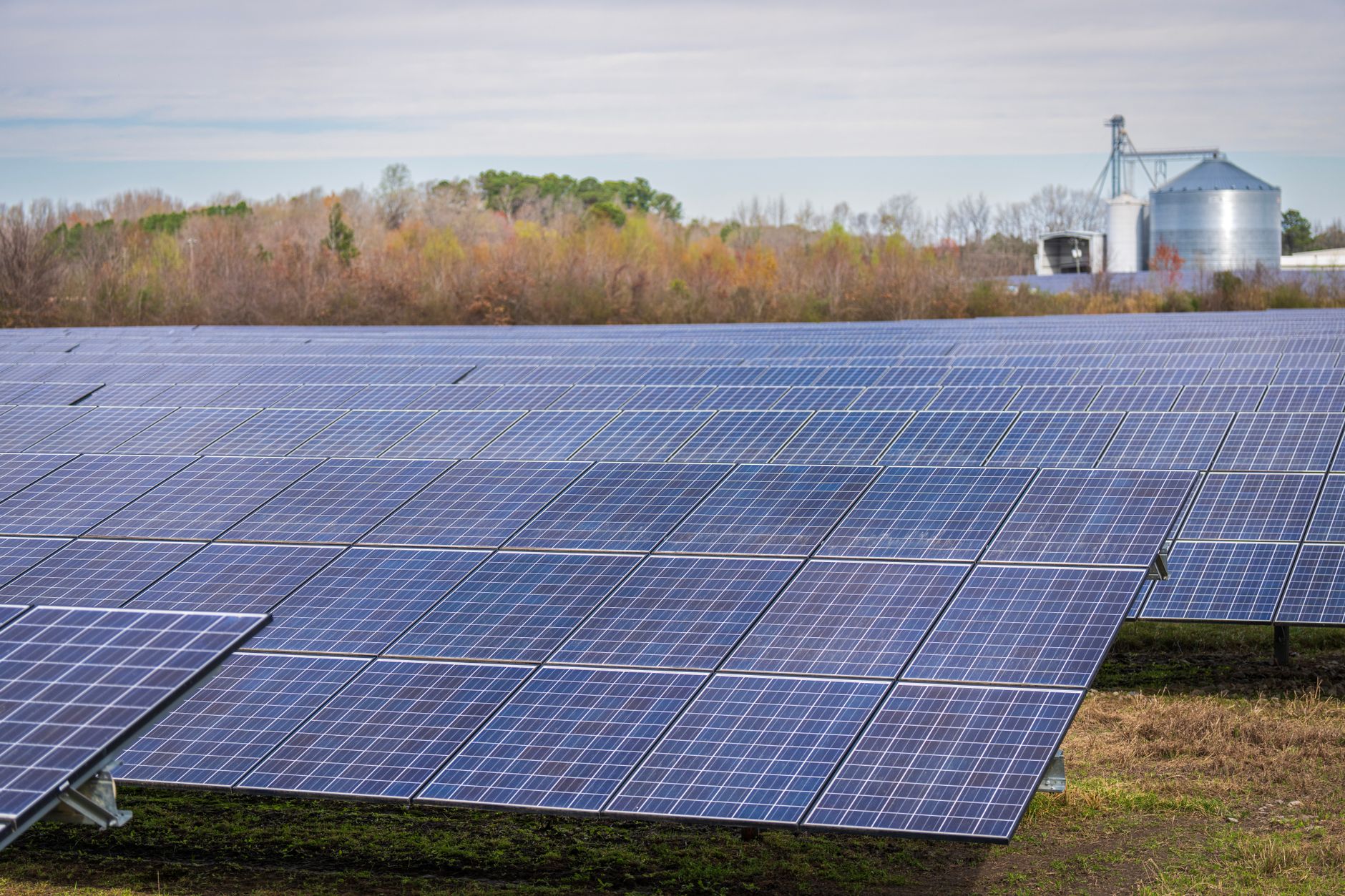
The United States is on track to install a record-shattering 86 gigawatts of utility-scale electric generating capacity in 2026, with solar making up over half of that total. According to the Energy Information Administration, developers are deploying 43.4 gigawatts of new solar capacity this year alone. This massive buildout means solar is completely dominant, comprising 51 percent of all planned US power plants currently coming online. This influx is reshaping the physical reality of the American energy landscape at an unprecedented pace.
This historic expansion of photovoltaic installations is the culmination of decade-long cost declines and aggressive federal subsidies. However, the sheer volume of new generation has pushed local transmission systems to their absolute limits. Interconnection queues are now backed up for years, leaving billions of dollars in finished clean energy projects waiting in regulatory limbo. The bottleneck is no longer the cost of solar hardware, but the physical and digital architecture of the grid itself.
With the total operating US solar capacity rapidly climbing toward a projected 280 gigawatts by next year, regional operators are struggling with extreme intermittency. On bright, windy afternoons, wholesale electricity prices frequently plunge into negative territory, while evening demand spikes still require dirty peaker plants. Recent grid studies show that curtailment, where operators intentionally waste excess solar power to prevent system overload, has surged in markets like California and Texas. Without immediate upgrades, a significant portion of this newly built capacity will simply be thrown away.
For climate tech founders and venture capitalists, the investment thesis must shift immediately from power generation to grid-edge infrastructure. Hardware is commoditized, but the high-margin opportunities now lie in distributed battery storage co-location and intelligent energy orchestration software. Startups building autonomous virtual power plants and real-time load balancing systems are no longer a luxury, they are a fundamental operational necessity. The companies that successfully capture and redirect these transient waves of cheap power will dominate the next era of clean energy.
Over the next twelve months, expect a wave of consolidation among early-stage storage software startups as grid bottlenecks become more acute. Regulatory pressure will likely force utilities to fast-track dynamic pricing models and edge-computing solutions to prevent regional blackouts. Founders who can deploy deployable, software-defined solutions to integrate this massive surge of solar power will capture a disproportionate share of the energy transition market. The physical gold rush of solar generation is winding down, and the digital era of grid coordination has officially begun.
 The Future FrontBe on the cover.Twice a month we put the people shaping what's next on our cover.Apply for the cover