AI Data Centers Spike Utility Bills for Factories
Surging grid rates from data center power hunger are turning industrial microgrids into an urgent operational necessity.
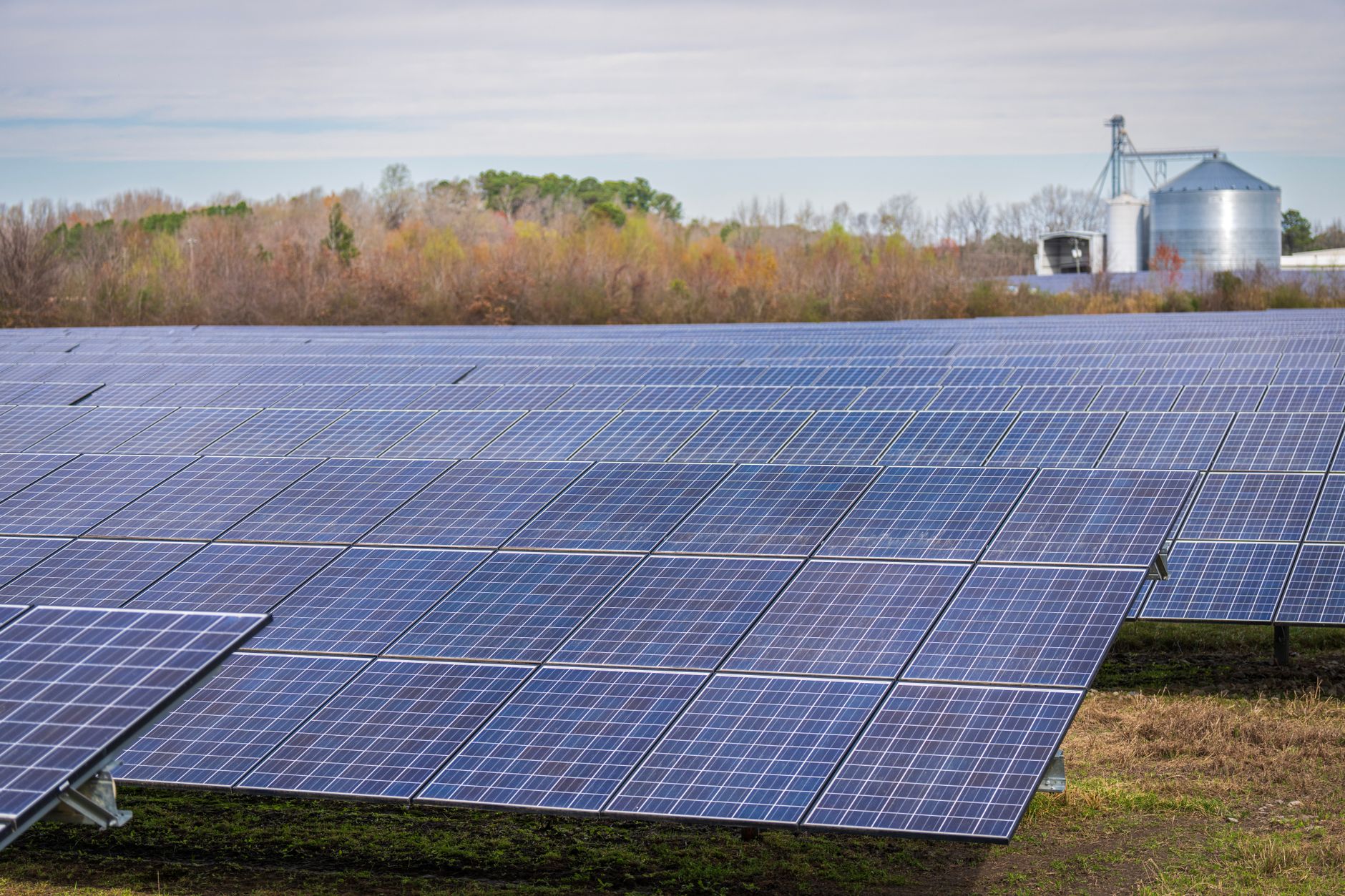
According to market analysis from MarketsandMarkets, artificial intelligence energy systems now allow microgrids to predict energy generation and facility demand with high accuracy, balancing supply in real time. Industry reporting from Utility Dive indicates that legacy rules-based control systems are quickly yielding to dynamic machine learning algorithms that adapt to fluctuating grid conditions. This technical shift arrives as commercial facilities face rising electricity tariffs driven by regional power grid congestion. High energy demands from data center expansions are pushing wholesale prices upward across industrial zones. Factory managers who previously viewed power as a fixed administrative overhead must now treat electricity costs as an active risk to gross margins.
The rapid buildout of computing infrastructure is creating intense competition for existing electrical generation and transmission capacity. Regional utilities are passing the expense of grid upgrades and peak capacity procurement onto commercial and industrial customers through elevated demand charges and variable rates. Grid connection queues for new utility capacity now stretch four to seven years in key manufacturing corridors, preventing fast relief from central power suppliers. Commercial facilities cannot halt production or delay expansions while waiting for public utilities to build new power lines. Consequently, facility operators are turning inward to lower their exposure to centralized grid volatility.
Research published on arXiv details how machine learning architectures optimize microgrid performance by processing continuous feeds of tariff structures, weather forecasts, and operational loads. Further analysis from Gridscape shows that automated demand-response algorithms automatically adjust consumption profiles and trigger peak shaving protocols to avoid high rate tiers. By shifting energy storage usage to peak price windows, these intelligent systems sharply decrease utility charges without interrupting manufacturing schedules. The resulting cost savings have significantly reduced the financial payback period for industrial solar arrays and stationary battery systems, making capital investments in localized energy hardware easier for corporate boards to justify.
For enterprise founders and venture capital investors, this shifting cost structure creates a strong commercial pull for energy software and localized hardware integration. Software startups specializing in load flexibility, real-time power dispatch, and edge microgrid management are seeing enterprise procurement teams accelerate deal timelines. Commercial customers are no longer procuring microgrids primarily to meet corporate sustainability pledges or environmental metrics. Instead, executive teams are adopting onsite energy technology to protect operating margins against erratic price spikes on the main grid.
Over the next 12 months, industrial power management will transition permanently from passive utility consumption to active algorithmic trade. Regional regulators will continue raising peak demand rates to fund grid expansion, further widening the cost gap between static facilities and automated plants. Startups capable of integrating predictive software with existing industrial automation hardware will capture substantial market share. As utility rates continue to climb, localized power generation and automated load orchestration will become standard equipment for resilient enterprise operations.
 The Future FrontBe on the cover.Twice a month we put the people shaping what's next on our cover.Apply for the cover