The Solar Gold Rush Just Ran Out of Grid
The US is adding 44 gigawatts of solar in 2026, but an outdated grid is forcing investors to pivot from raw power to orchestration software.

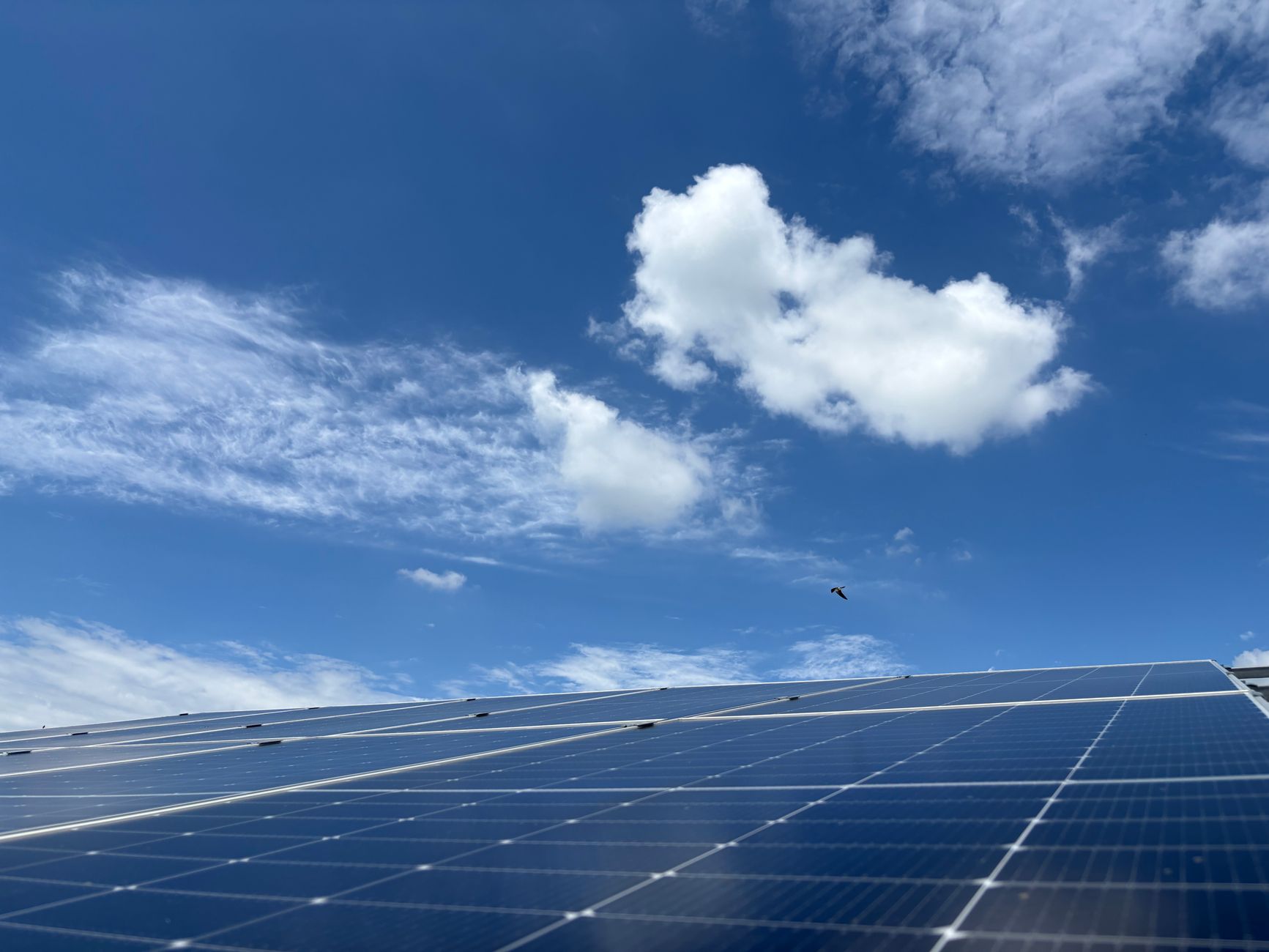
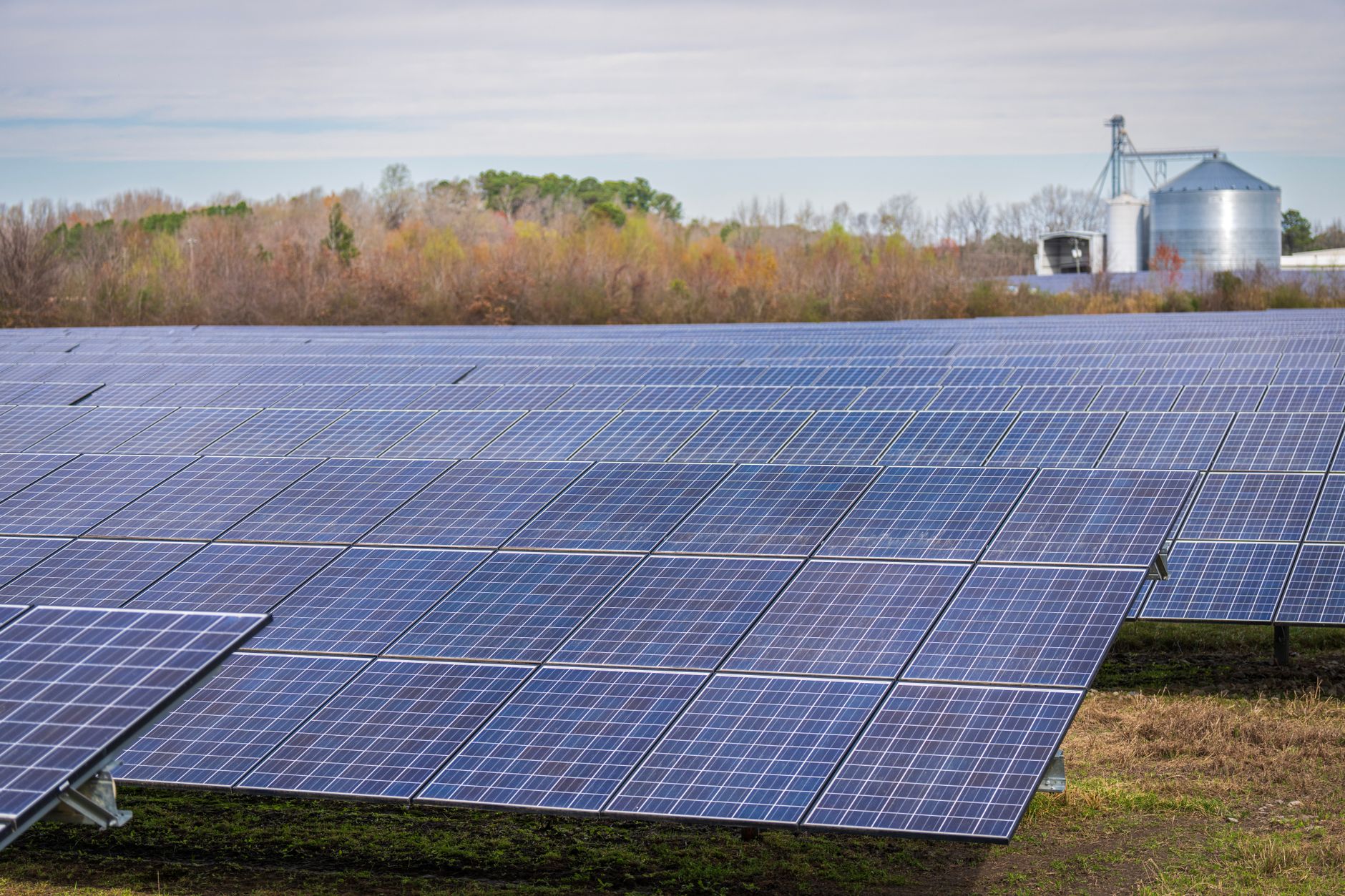
The American power grid is about to absorb a record-breaking 86 gigawatts of new utility-scale capacity in 2026, and more than half of it is pure solar. According to the US Energy Information Administration, developers are on track to install 44 gigawatts of solar power this year alone, representing 51 percent of all planned additions. Texas is leading the charge with massive installations like the Tehuacana Creek 1 project. This unprecedented influx of clean energy represents a historic milestone, but it also marks the end of the easy-money era for raw generation.
Building more solar panels is no longer the primary challenge of the energy transition. Instead, the sudden flood of intermittent power is pushing an aging transmission infrastructure to its absolute breaking point. Grid congestion is skyrocketing, and projects are languishing for years in backlogged interconnection queues. The bottleneck has officially shifted from the cost of hardware to the physics of delivery. Developers are finding that generating cheap electricity is meaningless if they cannot legally or physically inject it into the transmission lines.
This systemic friction explains why the capital flow is shifting rapidly downstream. Battery storage now accounts for a massive 28 percent of planned 2026 capacity additions, translating to 24 gigawatts of new batteries coming online to buffer the solar surge. Wind power makes up another 14 percent of the mix, but it is the co-location of storage with generation that is attracting the smartest venture money. Software startups specializing in automated grid orchestration and real-time power dispatch are seeing unprecedented demand. Without these intelligent layers, the grid simply cannot absorb the mid-day solar peak without destabilizing.
For founders and climate tech investors, the playbook has changed. Winning in this environment is no longer about securing land rights and purchasing cheap photovoltaic modules. The high-margin opportunities now lie in grid-balancing software, advanced dynamic line rating hardware, and next-generation transmission technologies. Companies that can optimize existing power lines to carry more current, or predict local congestion before it happens, will capture the value that generation developers are losing to curtailment. The real infrastructure boom is now entirely digital.
Over the next twelve months, expect a wave of consolidation as struggling pure-play solar developers are acquired by vertically integrated storage operators. Regulatory pressure will mount on regional transmission organizations to fast-track software-driven grid management solutions. The startups that thrive will be those offering immediate software interventions to squeeze extra capacity out of existing copper lines. The gold rush to build more panels is officially morphing into a race to make those panels actually work together.
 The Future FrontBe on the cover.Twice a month we put the people shaping what's next on our cover.Apply for the cover