The Death of the Wrapper and the Rise of OpenClaw
As trillion-parameter model scaling hits an economic wall, the battle for AI supremacy shifts to autonomous, local-first agent frameworks.
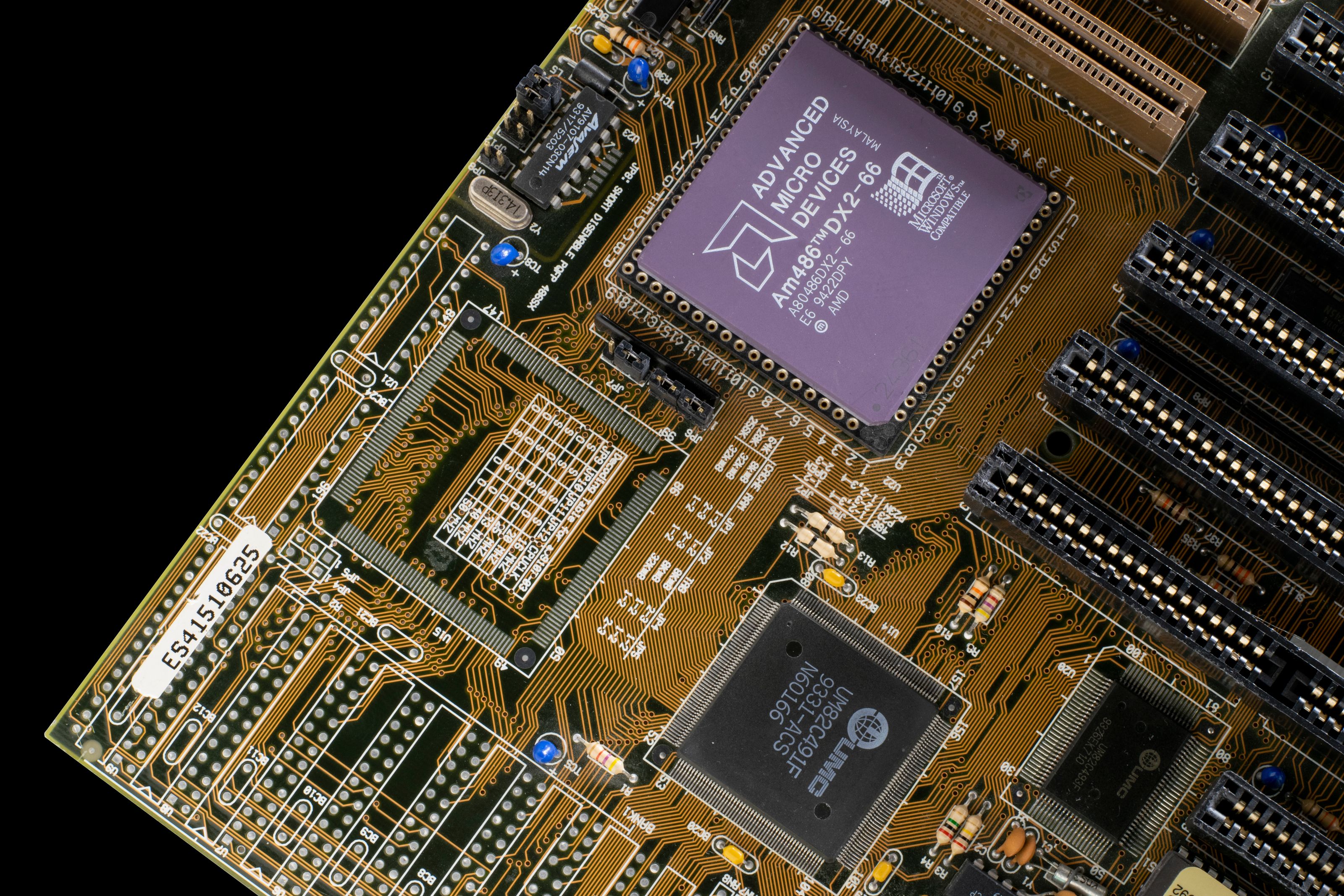
The era of raw LLM parameter scaling has hit an undeniable economic and physical wall, forcing venture capital and developers to pivot toward autonomous agentic execution. In 2026, the tech ecosystem is no longer obsessed with training trillion-parameter foundation models from scratch, choosing instead to focus on post-training refinement and inference-time reasoning techniques. This fundamental paradigm shift has turned basic chat wrappers into immediate liabilities while elevating highly modular cognitive architectures to the new venture-backed standard.
As enterprise buyers demand measurable, bottom-line productivity gains rather than novel text generation, the severe limitations of static models have become painfully clear. Startups that raised massive seed rounds on simple API wrappers are rapidly finding themselves obsolete in a market that strictly rewards sovereign task completion. The modern enterprise AI stack now requires robust systems that can autonomously plan, self-correct, and navigate complex multi-step workflows without constant human intervention. Businesses are refusing to pay for simple chat interfaces that still require manual copy-pasting of data.
At the center of this transition is OpenClaw, an open-source, local-first framework that has quickly become the preferred foundation for developers demanding strict data privacy. AI researcher Sebastian Raschka notes that the industry is rapidly shifting toward specialized methods like self-consistency and self-refinement to solve persistent reliability issues. By utilizing intensive post-training reinforcement learning, these modern reasoning systems achieve superior results on complex decision-making tasks without requiring the massive capital expenditures of classic pre-training.
For founders and venture capitalists, this technical transition means the barrier to entry has shifted permanently from raw compute access to sophisticated cognitive architecture design. Institutional investors are aggressively discounting software startups that lack proprietary agentic workflows or secure local data integration strategies. The real value is now being captured by platforms building resilient agent networks that can safely navigate sensitive corporate databases and execute critical business operations. Those who fail to adapt will find their funding rounds drying up as investors seek sustainable defensibility.
Over the next twelve months, local-first agent frameworks will fundamentally redefine the broader software-as-a-service market. We will witness the first mainstream deployments of autonomous multi-agent networks managing entire corporate supply chains and financial operations with minimal human oversight. The definitive winners of this next phase will not be the companies with the largest training budgets, but the engineering teams that master reliable, secure, and self-correcting agent execution. Security and predictable error recovery will become the primary competitive battlegrounds in this new automated landscape.
 The Future FrontBe on the cover.Twice a month we put the people shaping what's next on our cover.Apply for the cover


