The Brutal Realignment of Physical AI
As the venture funding landscape cools, the robotics industry is ditching glossy demo videos for pragmatic factory floor deployments.
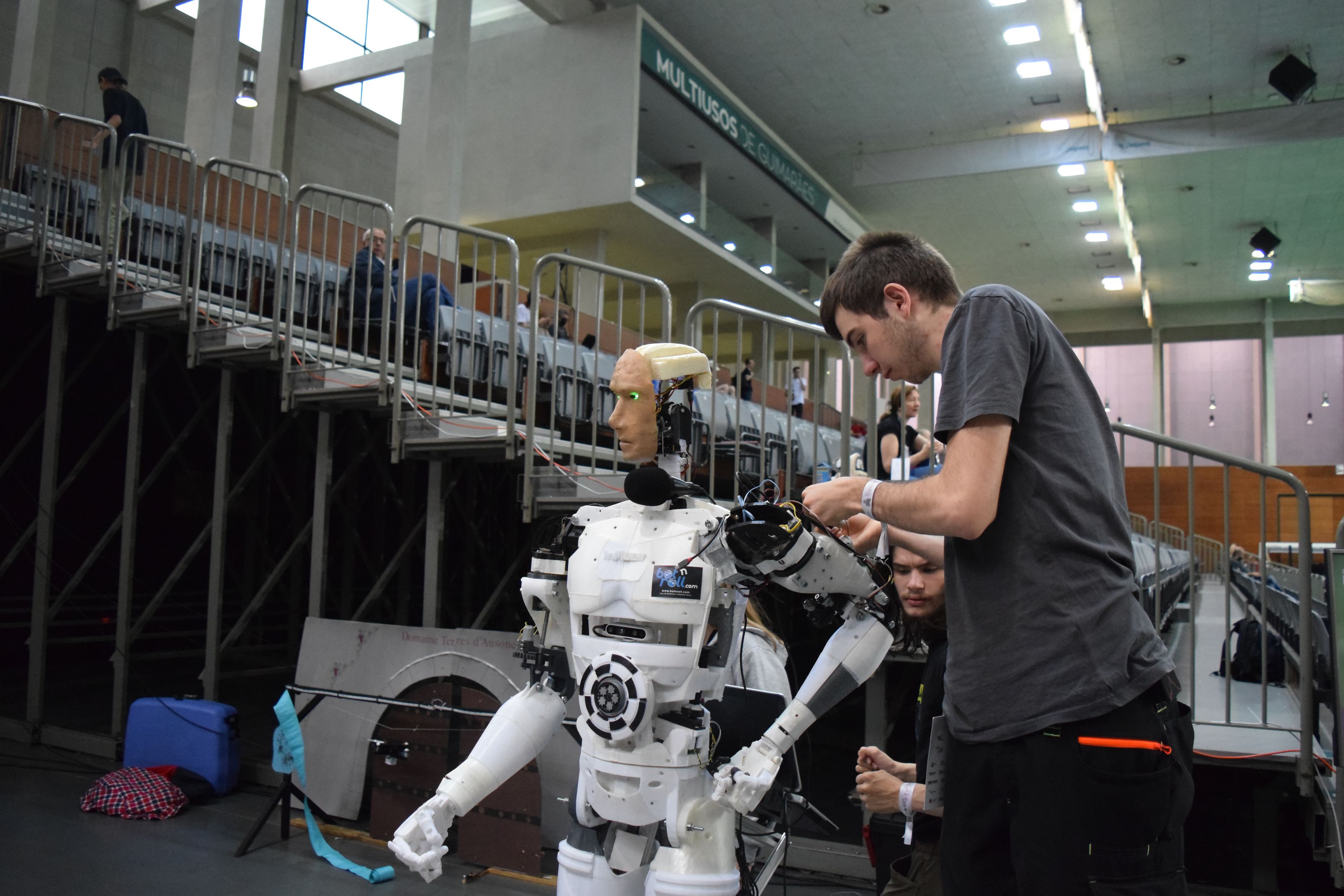
Despite years of venture-backed hype and spectacular laboratory demos, a staggering 80 percent of American factories still operate entirely without automation. This stark reality is driving the Great Robotics Shakeout of 2026, where capital efficiency has replaced pitch-deck promises. The era of the viral humanoid robot video is officially over, replaced by a harsh funding climate that demands immediate survival. Startups that cannot prove immediate unit economics are quietly shuttering or facing fire-sale acquisitions.
The transition from digital code to tangible machinery has historically been plagued by high deployment friction and integration costs. For years, founders survived on cheap capital by promising general-purpose systems that could theoretically do anything. Today, enterprise buyers are no longer buying the vision of a fully autonomous future; they want systems that solve specific, messy bottlenecks today. This shift in buyer behavior is forcing a rapid consolidation, filtering out companies that prioritized marketing over mechanical reliability.
Industry data reveals that the most resilient startups in 2026 are those focusing on physical AI with clear, measurable return on investment. Instead of building multi-purpose humanoids, these winners deploy specialized cobots equipped with advanced computer vision to handle high-mix, low-volume manufacturing tasks. Leading operators report that integrating physical AI into existing asset management platforms has reduced unexpected machinery downtime by up to thirty percent. Survival in this market is no longer about demonstrating what a robot might do in a decade, but showing what it can deliver during a single factory shift.
For founders and venture capitalists, this pragmatism redraws the investment map. Investors who previously funded long-horizon research are now demanding clear paths to profitability within eighteen months of deployment. To succeed, robotics startups must design their hardware for interoperability, allowing new systems to easily plug into legacy manufacturing software. Companies that fail to address these integration barriers will find themselves locked out of the enterprise market entirely, regardless of how advanced their underlying AI model is.
Over the next twelve months, the market will witness a surge in industrial efficiency as surviving robotics firms deeply embed physical AI into standard logistics workflows. The companies that emerge from this consolidation phase will be leaner, highly specialized, and deeply integrated into the global supply chain. We will see fewer flashy product launches and far more quiet, high-margin deployments across Midwestern manufacturing hubs. Ultimately, the death of the hype cycle is exactly what physical automation needs to finally scale.
 The Future FrontBe on the cover.Twice a month we put the people shaping what's next on our cover.Apply for the cover