Silicon in Orbit: Nvidia Bets Big on Space GPU Clusters
As terrestrial power grids buckle under the weight of AI workloads, Nvidia and StarCloud are taking compute to the final frontier.
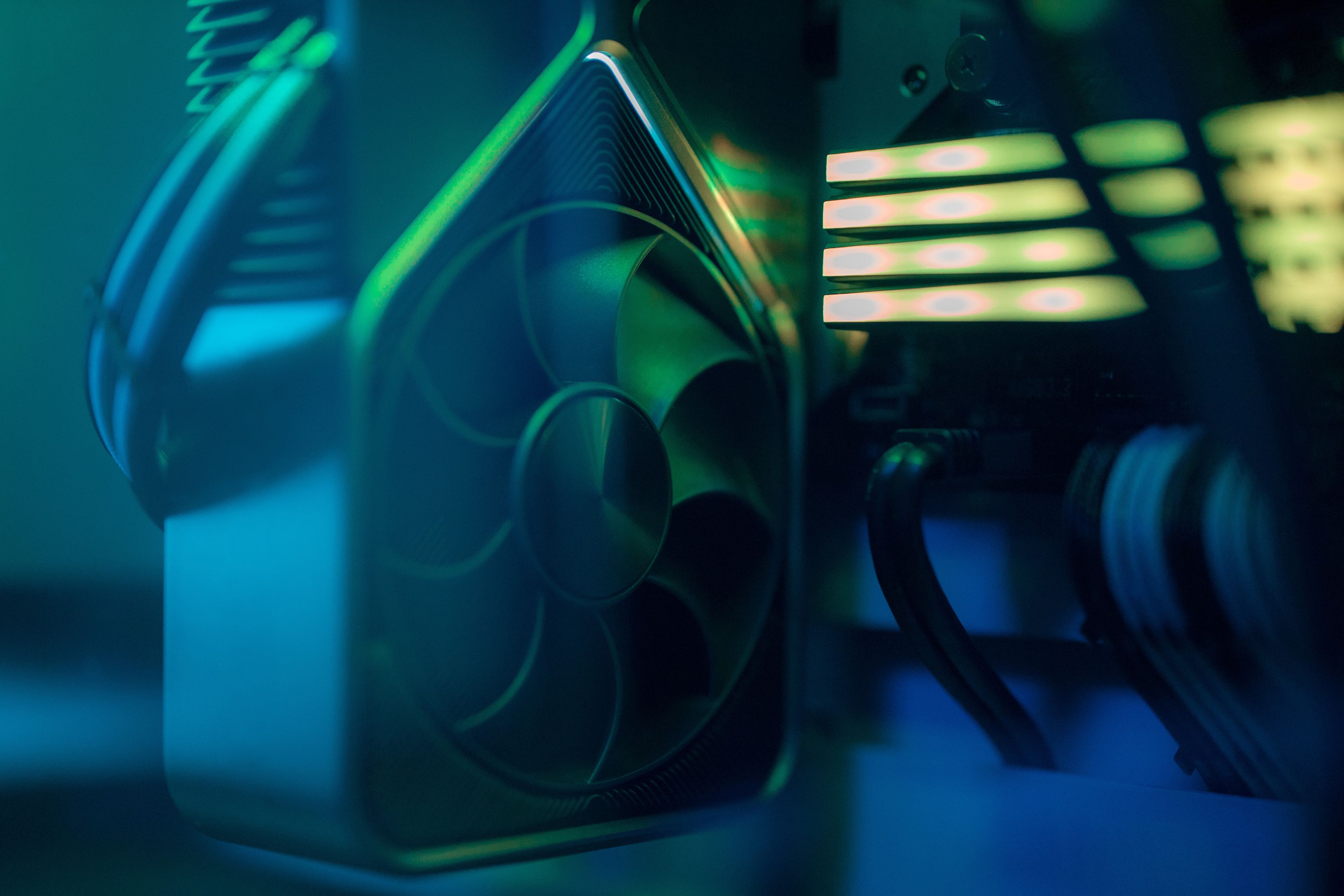
Terrestrial power grids are buckling under the compounding energy demands of generative AI, pushing developers to seek solutions beyond Earth's atmosphere. Nvidia's newly revealed Vera Rubin Space-1 chips are designed specifically to power orbital data centers in partnership with aerospace startup StarCloud. This partnership signals a massive shift from terrestrial constraints to orbital opportunities where solar power is continuous and cooling is passive. By moving compute to space, the tech industry hopes to bypass grid congestion and environmental regulations that threaten to stall the next generation of AI development.
The bottleneck for artificial intelligence is no longer algorithmic design, but sheer electrical power. Traditional data centers on Earth consume vast amounts of water and gigawatts of electricity, drawing intense regulatory scrutiny and local resistance. StarCloud is actively tackling this by designing a conceptual 5-gigawatt space-based data center that utilizes a massive 4-square-kilometer solar array to harvest uninterrupted sunlight. This orbital architecture solves the dual crisis of energy sourcing and heat dissipation by using the natural vacuum of space for radiative cooling.
Empirical progress in space-based computing has accelerated rapidly over the last year. StarCloud has already secured multiple launches to test its proprietary hardware, which boasts GPUs that are roughly 100 times faster than anything previously sent into orbit. Furthermore, Nvidia's hardware has already successfully trained its first in-orbit AI model, proving the physical viability of off-planet machine learning. With partners like Planet Labs and Axiom Space also integrating these space-optimized processors, orbital silicon is transitioning from a sci-fi concept to a commercial reality.
For deep-tech investors and infrastructure developers, this shift redefines the geography of venture capital. Capital that once went into buying real estate and securing local utility contracts on Earth will increasingly fund satellite manufacturing, orbital launch logistics, and high-frequency laser communication networks. Founders who position themselves at the intersection of aerospace and machine learning will hold the keys to limitless scale. The traditional barriers to entry in AI infrastructure are being obliterated, replaced by a highly complex, capital-intensive space race.
Over the next twelve months, the industry will watch StarCloud's scheduled launch of its micro data center to evaluate real-world latency and performance. If these initial orbital clusters achieve stable, high-bandwidth data transmission back to Earth, a wave of sovereign and private capital will flood the aerospace sector. We will see early-stage deployments of StarCloud's massive Hypercluster architecture as launch costs continue to decline. The future of high-performance computing is no longer bound to the dirt, and the first companies to establish reliable orbital operations will dominate the next decade of AI.
 The Future FrontBe on the cover.Twice a month we put the people shaping what's next on our cover.Apply for the cover


