Physical AI Replaces SaaS as Main Event at Web Summit
As Web Summit 2026 puts humanoid robots on stage in Lisbon, capital is shifting from pure software to physical AI systems.
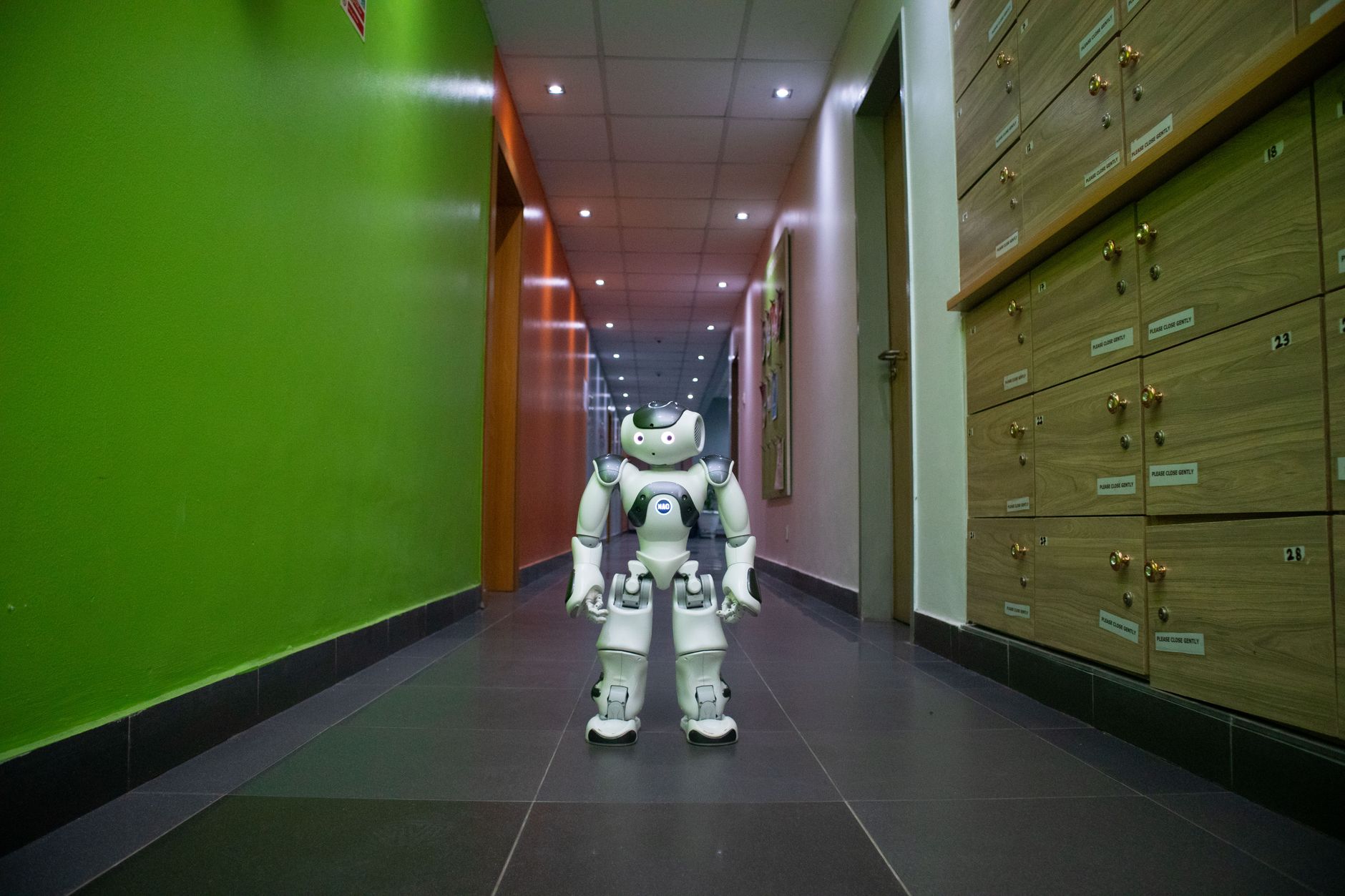
Web Summit 2026 opened in Lisbon this week with a novel speaker list that includes not just tech executives, but physical machines taking the stage. According to official Web Summit event schedules, platforms like the AgiBot A3 and Galbot G1 are listed alongside human founders, signalling a fundamental pivot in tech industry focus. For years, European tech gatherings prioritized software applications, enterprise SaaS tools, and large language model interfaces. That era of pure digital focus has hit a ceiling as investors and developers seek real-world execution. The appearance of commercial humanoid hardware alongside Unitree co-founder Li Chen highlights how fast foundational AI models are moving from browser windows into physical actuators.
The shift reflects a broader recalibration happening across venture capital balance sheets. Software margins remain attractive, yet software alone can no longer solve physical bottlenecks in manufacturing, logistics, and eldercare. Hardware costs for precision motors, harmonic reducers, and high-density tactile sensors have dropped significantly over the past twenty-four months. At the same time, spatial intelligence and vision-language-action models have matured to the point where robots can execute multi-step manipulation tasks without manual scripting. Lisbon has effectively become the testing ground for this hardware pivot. Early-stage venture firms are reallocating capital away from wrapper software applications toward startups building integrated hardware and physical AI architectures.
Demonstrations at the summit underscore the rapid evolution of dexterity and operational reliability. Robotics developer Xynova introduced live manipulation demonstrations using its Prima 1 and Flex 2 systems, demonstrating sub-millimeter precision in complex tasks. Meanwhile, chip maker Intel presented frameworks detailing how industrial enterprises can transition from experimental AI pilots to permanent hardware deployments on the factory floor. The emphasis is no longer on pre-rendered promotional videos or controlled lab conditions, but on units per hour, battery endurance, and fault recovery. Data shared by participating hardware teams indicates that modern embodied models now achieve context adaptation up to ten times faster than legacy robotic systems relying on static machine vision code.
For founders and early-stage investors, the rise of physical AI changes the operational calculus of building a deep tech business. Capital intensity is higher in hardware, but moat defense becomes exponentially stronger once physical deployments scale. Enterprise customers are growing impatient with software tools that merely generate text or analyze spreadsheets while manual labor shortages persist in critical supply chains. Companies that pair embodied intelligence with scalable hardware manufacturing will capture a growing share of enterprise capital budgets over the coming decade. Venture funds that avoided hardware due to historical capital inefficiency are now forced to build dedicated engineering assessment teams to evaluate hardware readiness.
Over the next twelve months, the physical AI market will move from public demonstrations to rigorous field deployment trials across logistics and light manufacturing. The true test for embodied systems like AgiBot and Galbot will not be stage appearances in Lisbon, but continuous operations in unscripted industrial environments. As sensor costs continue to fall and synthetic training data improves robotic adaptability, more general-purpose humanoids will enter pilot programs outside of cleanroom conditions. Capital will concentrate around teams that master both spatial AI models and supply chain discipline. The shift witnessed at Web Summit marks the beginning of an era where software value is ultimately measured by its physical work output.
 The Future FrontBe on the cover.Twice a month we put the people shaping what's next on our cover.Apply for the cover