Amazon Assembles Secret Team for Domestic AI Robot
Amazon is recruiting a dedicated physical AI team to build a new home robot platform, shifting strategy into high-stakes consumer hardware.
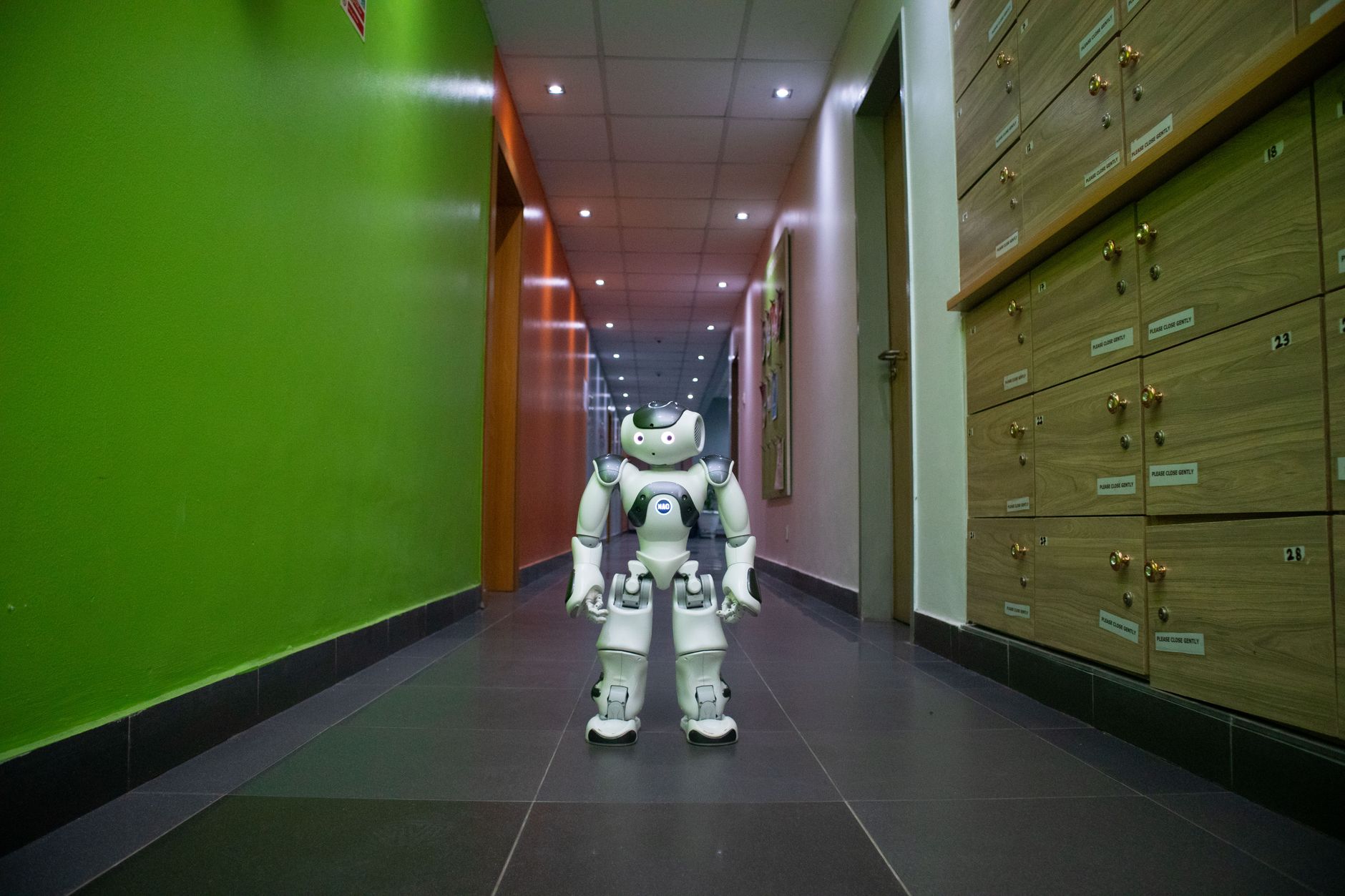
Amazon has quietly assembled a dedicated home-robotics unit over the past several months to build an unannounced domestic hardware platform, according to reporting by CNBC. Job listings and internal recruitment efforts indicate the group is designing what the company describes as a new-to-world consumer product powered by physical AI. The strategic shift follows Amazon's acquisition of Fauna Robotics in March 2026, a startup founded by alumni from CTRL-labs and DeepMind that previously built the Sprout humanoid developer platform. Rather than a minor iteration on existing smart home devices, the initiative signals a concentrated effort to bring autonomous physical interaction into consumer living spaces. By consolidating hardware teams and physical AI researchers under a single banner, Amazon is laying the foundation for its next decade of home hardware.
The timing highlights how quickly the battleground for domestic robotics is shifting from simple vacuum disks and fixed displays toward mobile, multi-purpose platforms. Amazon previously tested consumer interest with Astro, a mobile screen device that lacked manipulation capabilities, while deploying heavy warehouse automation like the Proteus fleet in its logistics network. Integrating physical foundation models into household hardware requires solving complex spatial reasoning and tactile feedback at accessible consumer price points. For Amazon, controlling the domestic hardware layer is critical as rival tech giants and venture-backed startups race to embed embodied AI into real-world environments. The home represents the final unmapped territory for ambient computing systems.
Technical specifications from recent hardware developments reveal the steep compute and engineering requirements of this effort. Before its acquisition, Fauna Robotics priced its Sprout developer unit at approximately $50,000, packing 29 degrees of freedom, an Nvidia Jetson AGX Orin compute module, and three hours of battery life into a 22.7-kilogram frame. Meanwhile, Amazon's cloud ecosystem has increasingly focused on physical intelligence, highlighting models such as RLWRLD's 8.1-billion-parameter RLDX-1, which processes vision, language, force, and touch within a unified architecture. Operating models of this scale on consumer hardware demands specialized silicon and custom power management that few early-stage companies can supply independently.
Amazon's renewed commitment to home robotics presents immediate strategic implications for hardware founders and venture capital investors. By entering the domestic space with deep balance sheets, Amazon will accelerate maturation across the robotics component supply chain, lowering costs for actuators, compact batteries, and tactile sensors. However, early-stage consumer robotics startups now face a steep hurdle in distribution and capital efficiency. Developing reliable consumer hardware alongside complex embodied software demands massive capital expenditures, making direct competition on general-purpose domestic robots difficult for seed and Series A startups to sustain.
Over the next 12 months, the consumer robotics ecosystem will splinter into two distinct operational models. Early-stage startups will increasingly pivot away from full-stack domestic hardware to focus on specialized industrial applications or license software components to established consumer OEMs. Simultaneously, Amazon is expected to preview its preliminary hardware architecture, forcing competitors like Apple and Google to accelerate their own physical AI strategies. As foundational robotics models reach commercial viability, the competitive edge in home automation will shift from simple room navigation to complex physical manipulation, establishing the baseline for consumer hardware through 2027.
 The Future FrontBe on the cover.Twice a month we put the people shaping what's next on our cover.Apply for the cover