Nvidia Bets on Space to Solve the AI Power Crisis
With terrestrial power grids buckling under the weight of AI workloads, Nvidia and Starcloud are building GPU clusters in low Earth orbit.
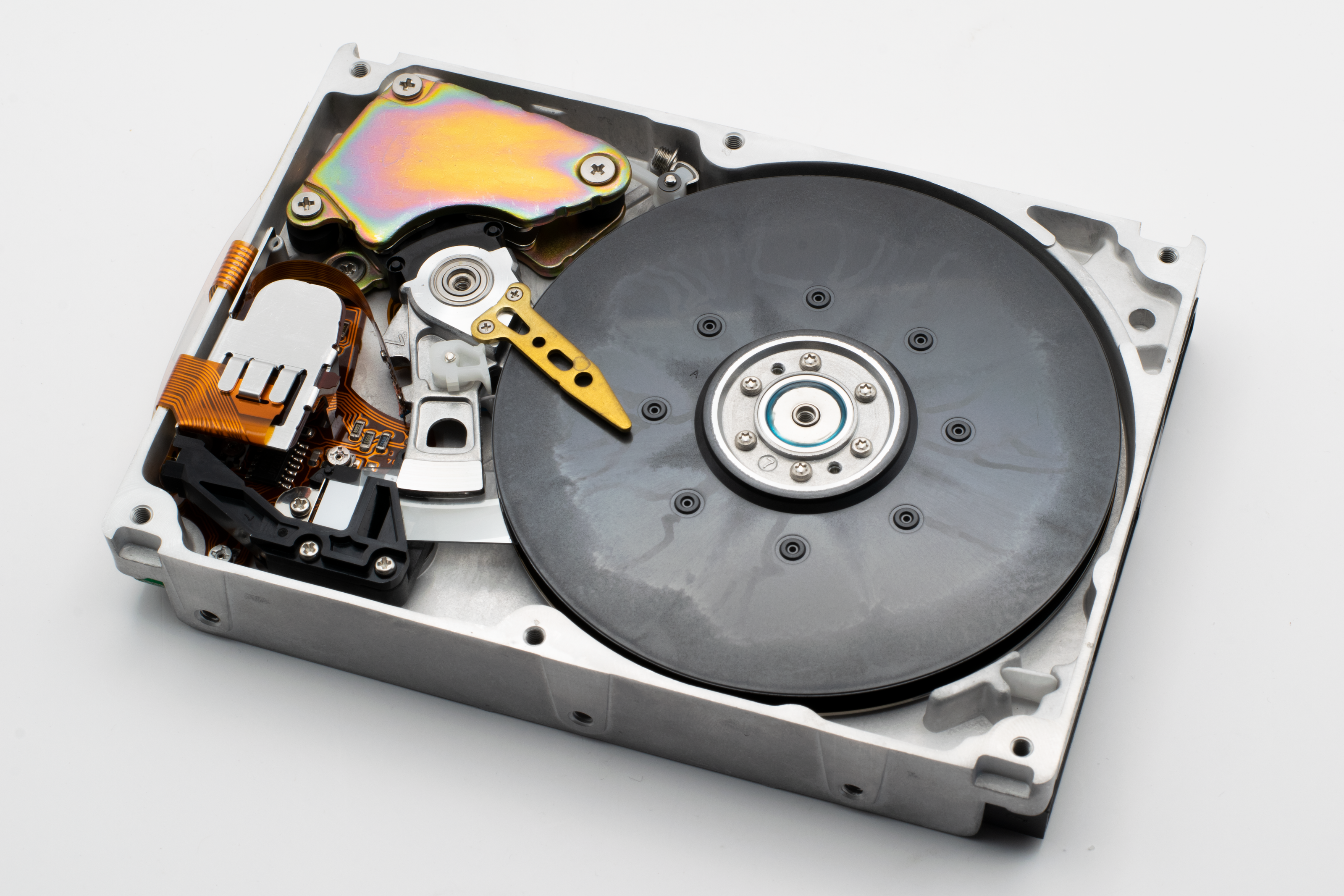
Terrestrial data centers are projected to consume up to 9 percent of US electricity by 2030, forcing the AI industry to look beyond Earth for its power. The recent partnership between Nvidia and Redmond-based startup Starcloud represents the first serious attempt to relocate high-performance computing to low Earth orbit. Backed by a new 250 million dollar funding round that values the startup at 2.3 billion dollars, the venture aims to build orbital data centers powered by constant solar energy. By utilizing the natural vacuum of space for cooling, these facilities bypass the immense water and power demands plaguing Earth-bound infrastructure.
The move comes as climate regulations and local grid constraints stall the expansion of terrestrial supercomputing clusters. Starcloud, which successfully launched its first AI-equipped test satellite in late 2025, has already demonstrated the feasibility of orbital processing by training Google's Gemma model in space. This orbital approach addresses the two biggest bottlenecks in modern AI development, which are thermodynamic dissipation and clean energy access. Rather than competing with municipal grids for gigawatts of power, orbital servers can tap directly into unfiltered solar radiation.
Scaling this extraterrestrial infrastructure requires significant industrial capacity, which is why Starcloud is currently constructing a 100,000-square-foot manufacturing facility in Woodinville, Washington. This factory will produce the Starcloud-3 spacecraft, designed specifically to house Nvidia's high-density GPUs. Additionally, a partnership with clean-energy cloud operator Crusoe highlights the shifting economics of the space sector, where hardware must endure extreme radiation while maintaining high uptime. The financial backing of 450 million dollars in total capital proves that institutional investors are beginning to treat orbital silicon as a viable alternative to terrestrial real estate.
This transition signals a profound shift in the venture capital landscape, creating entirely new investment categories for space-tech startups and satellite infrastructure developers. For years, space technology was treated as a speculative, long-horizon bet with limited immediate utility for mainstream software companies. Now, the insatiable compute demand of generative AI is turning orbit into a utility layer for Silicon Valley. Companies that can solve the secondary challenges of orbital hosting, such as high-bandwidth laser communications and radiation-hardened memory, will likely see unprecedented demand.
Over the next twelve months, the primary battleground will shift from conceptual validation to high-bandwidth data downlink capabilities. Starcloud and its partners plan to launch more advanced GPU payloads to establish a continuous orbital network. If successful, these deployments will prove that off-planet compute can offer lower latency and cheaper operational costs for specific batch-training workloads. The future of artificial intelligence may not be built in massive warehouses in the desert, but in constellations of silicon silently orbiting the planet.
 The Future FrontBe on the cover.Twice a month we put the people shaping what's next on our cover.Apply for the cover


