How Upside Robotics Cuts Agricultural Inputs with Precision Field AI
Upside Robotics builds lightweight autonomous field robots that deliver targeted fertiliser directly to crop roots, reducing chemical waste and soil damage.
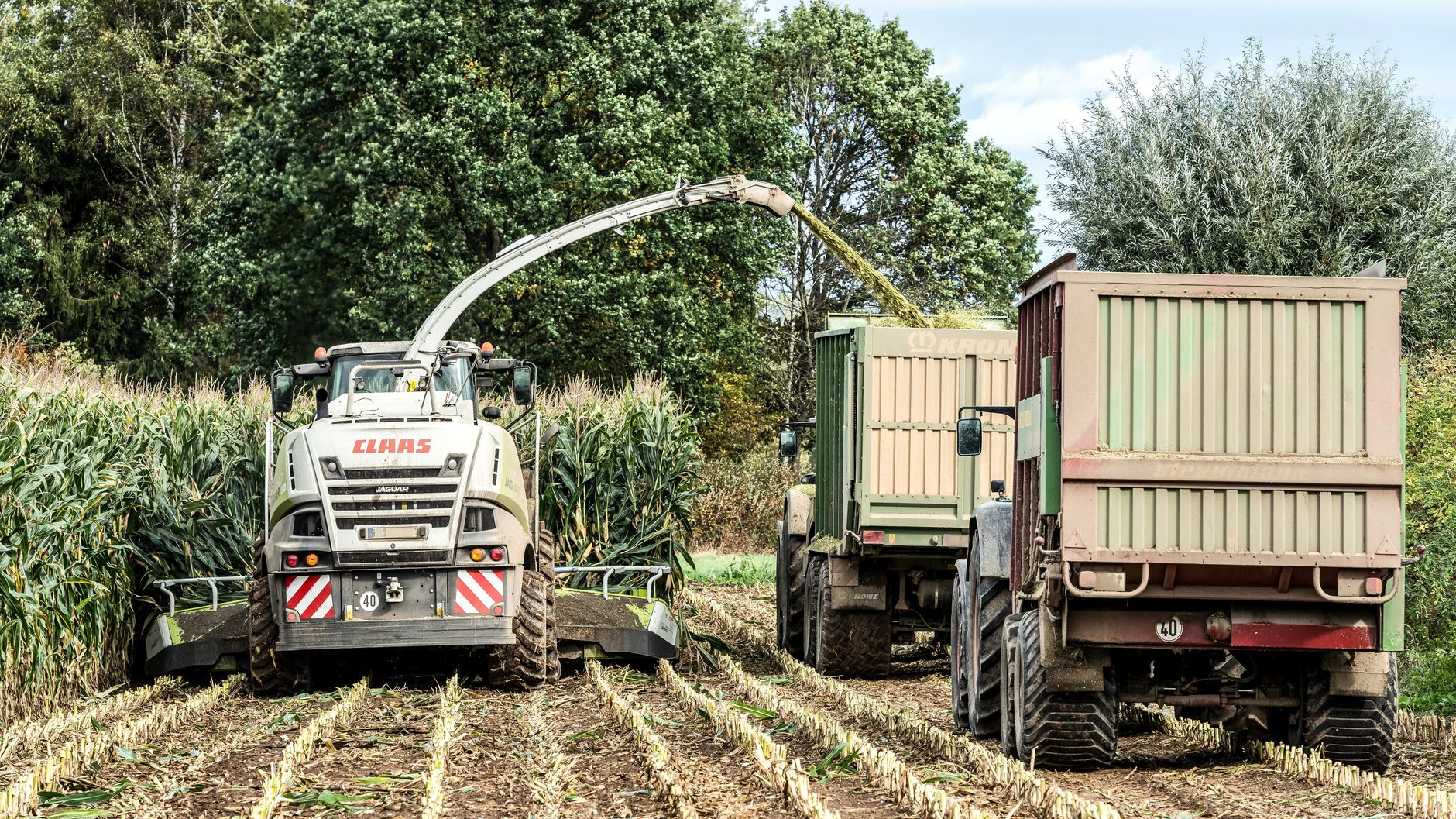
Modern agriculture faces the ongoing challenge of feeding growing populations while working with tools that were built for broad scale rather than micro-level precision. Most standard farming operations treat entire fields uniformly, spreading high volumes of chemical inputs regardless of actual plant demand or localised soil conditions. This broad application wastes expensive nutrients, drives up operating costs, and allows unused chemicals to wash into surrounding ecosystems. Furthermore, massive tractors compress the soil beneath their heavy wheels, creating dense sub-surface layers that restrict root growth and impede natural water movement season after season.
To break this cycle, co-founders Jana Tian and Sam Dugan established Upside Robotics in early 2024 in Waterloo, Ontario. The pair first met through an accelerator program where they bonded over a shared commitment to building practical technology for agriculture and climate resilience. Their early experiments focused on airborne drones for spraying crops, but field testing quickly revealed that nutrients are far more effective when delivered directly to plant roots rather than sprayed over leaves. To learn directly from the community, the founders moved into a camper van parked beside Canadian corn fields, refining their prototypes alongside local growers.
The outcome of that hands-on field research is the Maize Runner, a lightweight autonomous robot engineered specifically to navigate row crops. Designed at just twenty-two inches wide, the unit glides smoothly between standard thirty-inch corn rows without brushing against or damaging standing stalks. Because the machine weighs significantly less than traditional farm machinery, it can move across fields throughout the growing season without compacting the soil. This compact footprint allows farmers to perform precise, in-season nutrient top-ups that were previously impossible once crops reached a certain height.
The technical platform combines real-time data collection with automated physical execution. Equipped with onboard sensors, the robot continuously collects environmental and crop health metrics, while proprietary software algorithms calculate the exact nutrient volume required for each plant. A fifty-litre onboard fluid tank delivers liquid fertiliser directly to the root zone, returning automatically to a centralised base station when refill levels run low. Powered by high-capacity batteries and solar support, the robot offers up to ten hours of continuous operating time with a sixty-minute recharge window, covering roughly one acre every hour.
By targeting plant roots directly instead of blanket-spraying entire fields, the system reduces overall fertiliser use by at least fifty percent while maintaining high crop yields. This drastic reduction in chemical volume provides immediate financial savings for farmers while mitigating the environmental impact of runoff and soil degradation. Growers can remotely monitor field conditions and track operational progress without setting foot on fragile soil during critical growth stages. Upside Robotics will present its autonomous farming platform at Slush 2026 as the team prepares to roll out wider commercial deployments across North America.
Find out more at upsiderobotics.com
 The Future FrontBe on the cover.Twice a month we put the people shaping what's next on our cover.Apply for the cover