Google's Pixel 11 Turns Hardware Into Pure AI Agents
Google's Pixel 11 and Gemini integration signal a transition from simple AI chat to autonomous on-device agents that execute real-world tasks.
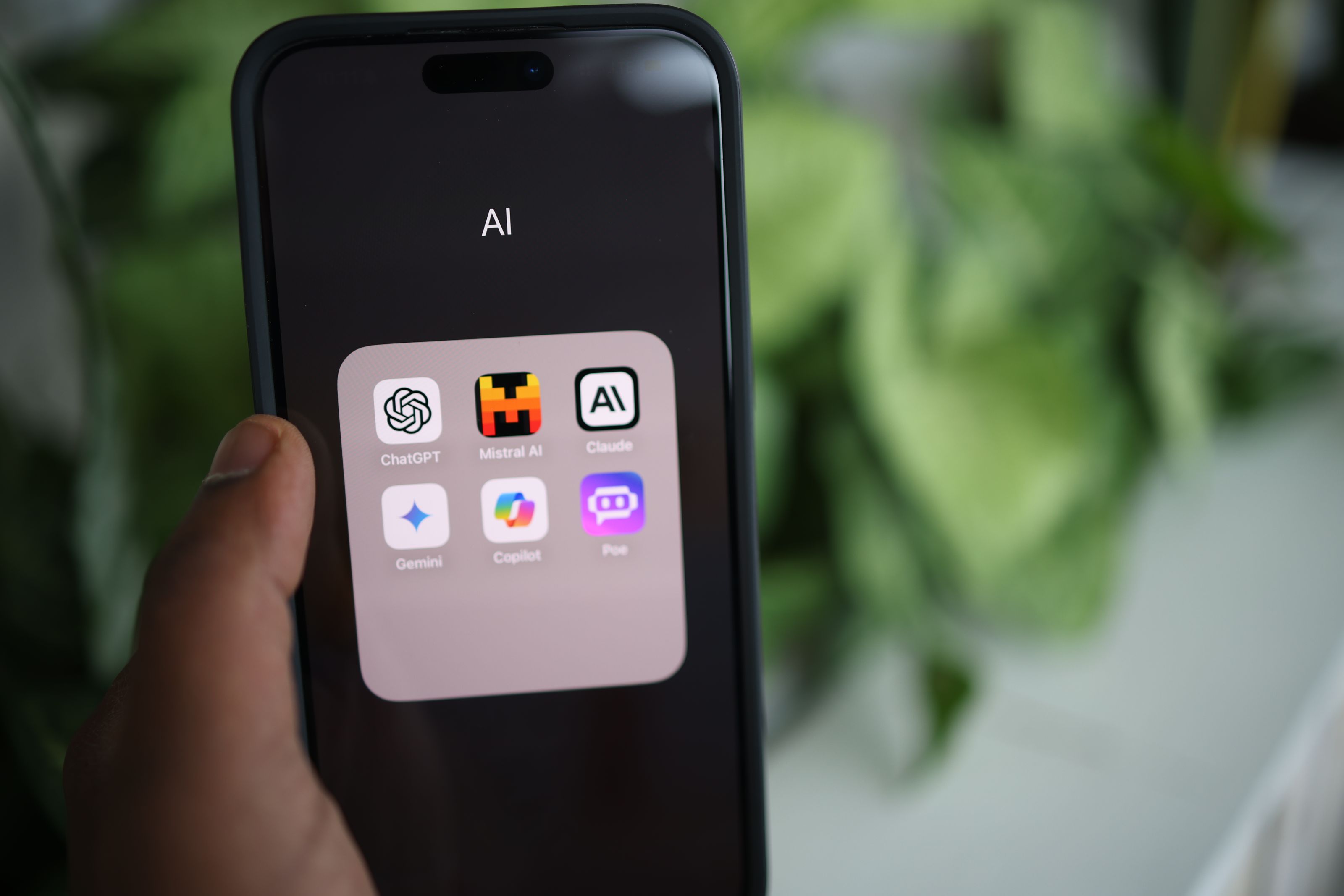
Google is no longer just selling phones, but shipping autonomous agents disguised as consumer hardware. At its Made by Google 2026 event, the tech giant unveiled the Pixel 11 series, Pixel Watch 5, and the new Pixel Tag tracker, all tightly bound by deep Gemini integration. Instead of merely answering questions or generating text, these devices now execute multi-step actions in the physical world on a user's behalf. This shift signals a major transition from passive search engines to proactive digital coordinators.
The physical lineup is secondary to the operating system transformation taking place under the hood. Android 17 and Gemini are merging into a single cognitive layer that intercepts daily user workflows. Google is positioning Gemini as an indispensable personal companion that learns individual habits across both native and third-party applications. By hardware-locking these agentic capabilities, Google is trying to build an impenetrable ecosystem moat before Apple or independent hardware startups can gain a foothold.
Under the hood, Gemini Intelligence on the Pixel 11 can now order groceries, book rides, and dial local businesses to complete tasks without requiring native developer integrations. This means a user can authorize Gemini to book a ride, and the AI will navigate the app interface autonomously, only prompting for human confirmation before checking out. Furthermore, the Pixel 11 Pro features a distinct LED ring dedicated to indicating when Gemini is active and processing background tasks. These features demonstrate that Google is actively bypassing standard API limitations to assert dominance over mobile workflows.
For founders and venture capitalists, this aggressive play redraws the map for consumer software. Standard applications risk being demoted to silent backends as Gemini becomes the primary user interface. Startups must quickly adapt by designing their platforms to be easily navigated by AI agents rather than just human eyes. Investors will likely pivot funding away from standalone wrapper apps toward infrastructure that helps developers integrate deeply with on-device agentic workflows.
Over the next twelve months, the battle for the operating layer of our lives will intensify as developers scramble to adapt to this agent-first paradigm. We will see a wave of new frameworks designed specifically to make third-party apps legible to autonomous on-device models. Companies that fail to optimize for agentic compatibility will find themselves locked out of the primary consumer interface. Google's hardware ecosystem has set a new baseline, and the rest of the industry must now build for a world run by agents.
 The Future FrontBe on the cover.Twice a month we put the people shaping what's next on our cover.Apply for the cover


