Google Just Automated the Front End for Early Startups
Google's new AI Studio and Stitch updates can turn natural language into high-fidelity UI, signaling the end of traditional front-end bottlenecks.
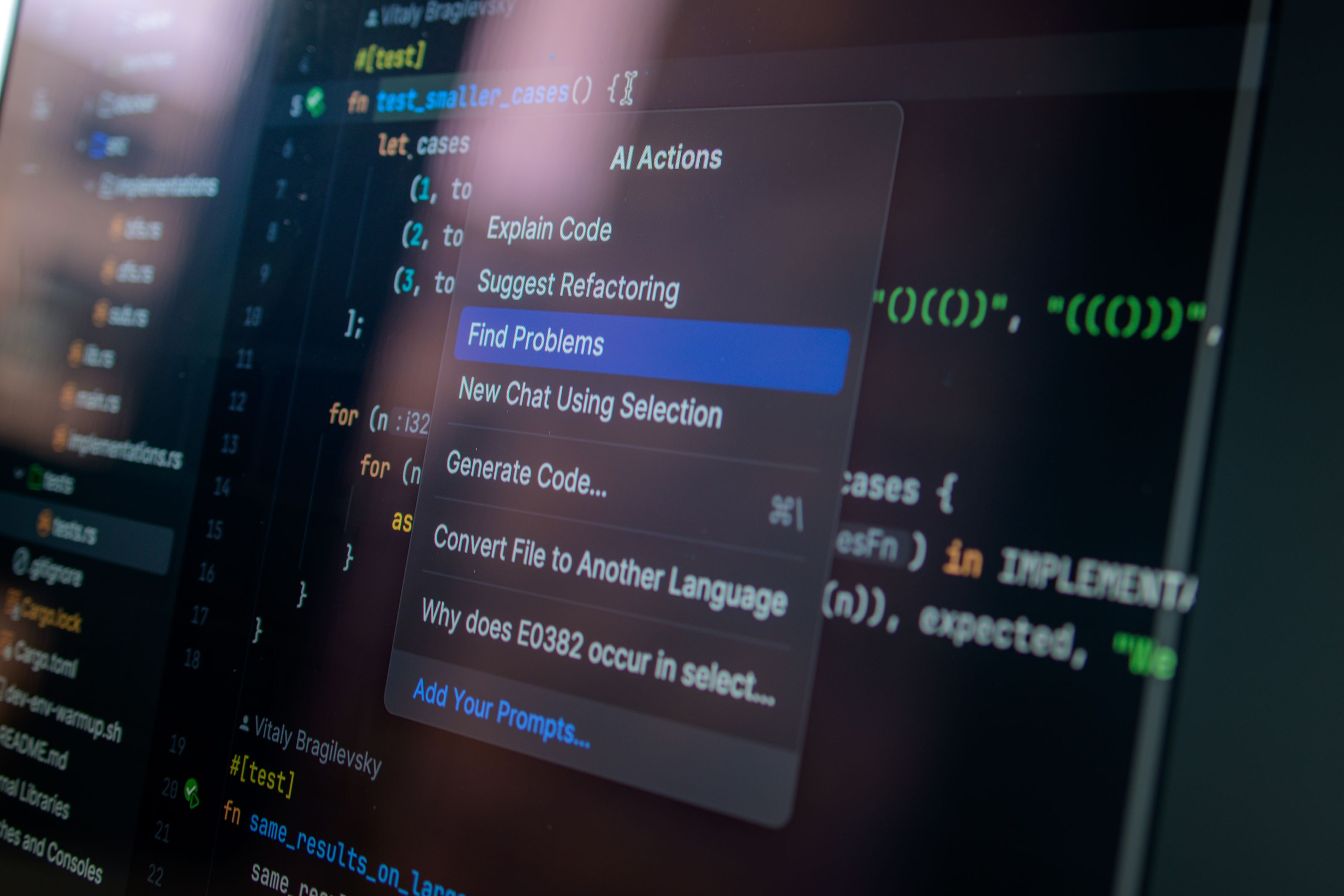
The cost of building a software prototype just plummeted to near zero. At Google I/O 2026, the tech giant unveiled a suite of AI-native developer tools designed to automate front-end interface generation directly from conversational prompts. Leading this shift is Google Stitch, an AI-powered design canvas that converts natural language into high-fidelity, interactive user interfaces with real-time editing and direct code export. For early-stage founders, this launch shifts the fundamental nature of software development from tedious pixel-pushing to pure product strategy.
Historically, translating an idea into a functional MVP required weeks of coordination between designers and front-end developers. Even with modern low-code platforms, the friction of maintaining design systems and manually adapting layouts across various screen sizes remained a constant, costly bottleneck. Google's latest integrations address this by embedding UI-generation agents directly into the developer workflow through AI Studio. By automating the transition from rough concept to production-ready code, these tools fundamentally compress the traditional product development lifecycle.
The core of this automated transformation lies in the new Stitch design agent, which reasons across entire projects to extract complete design systems from any URL or import standard DESIGN.md files. Additionally, Android Studio's new AI agent automatically migrates legacy codebases to Navigation 3, ensuring adaptive layouts across diverse device form factors. Developers seeking faster local iteration can now export their complete conversation history, project files, and API secrets directly to Google Antigravity. These features turn AI from a simple code autocomplete assistant into an active engineering partner.
This paradigm shift radically changes how venture capital will evaluate early-stage software startups moving forward. When high-fidelity prototyping requires hours instead of months, the value of a software startup moves entirely to its distribution model and proprietary data integrations. Founders can now test multiple product variations in live markets simultaneously, dramatically lowering the capital required for market validation. Consequently, investors will likely demand working, user-tested software rather than mere pitch decks before writing pre-seed checks.
Over the next twelve months, we will see the emergence of highly adaptive software that restructures its own interface dynamically based on real-time user behavior. Traditional static front-end frameworks will begin to look obsolete as automated, agent-first layouts become the industry standard. Software engineering roles will pivot decisively toward backend systems architecture and agent orchestration rather than manual CSS and interface design. The technological gap between a founder's raw idea and a shipped, scaling product is about to disappear entirely.
 The Future FrontBe on the cover.Twice a month we put the people shaping what's next on our cover.Apply for the cover