Elite Robots Targets Europe with CE Mobile Manipulators
Standardizing safety compliance early is turning mobile robotic manipulators into instant drop-in workforce solutions for European manufacturing floors.
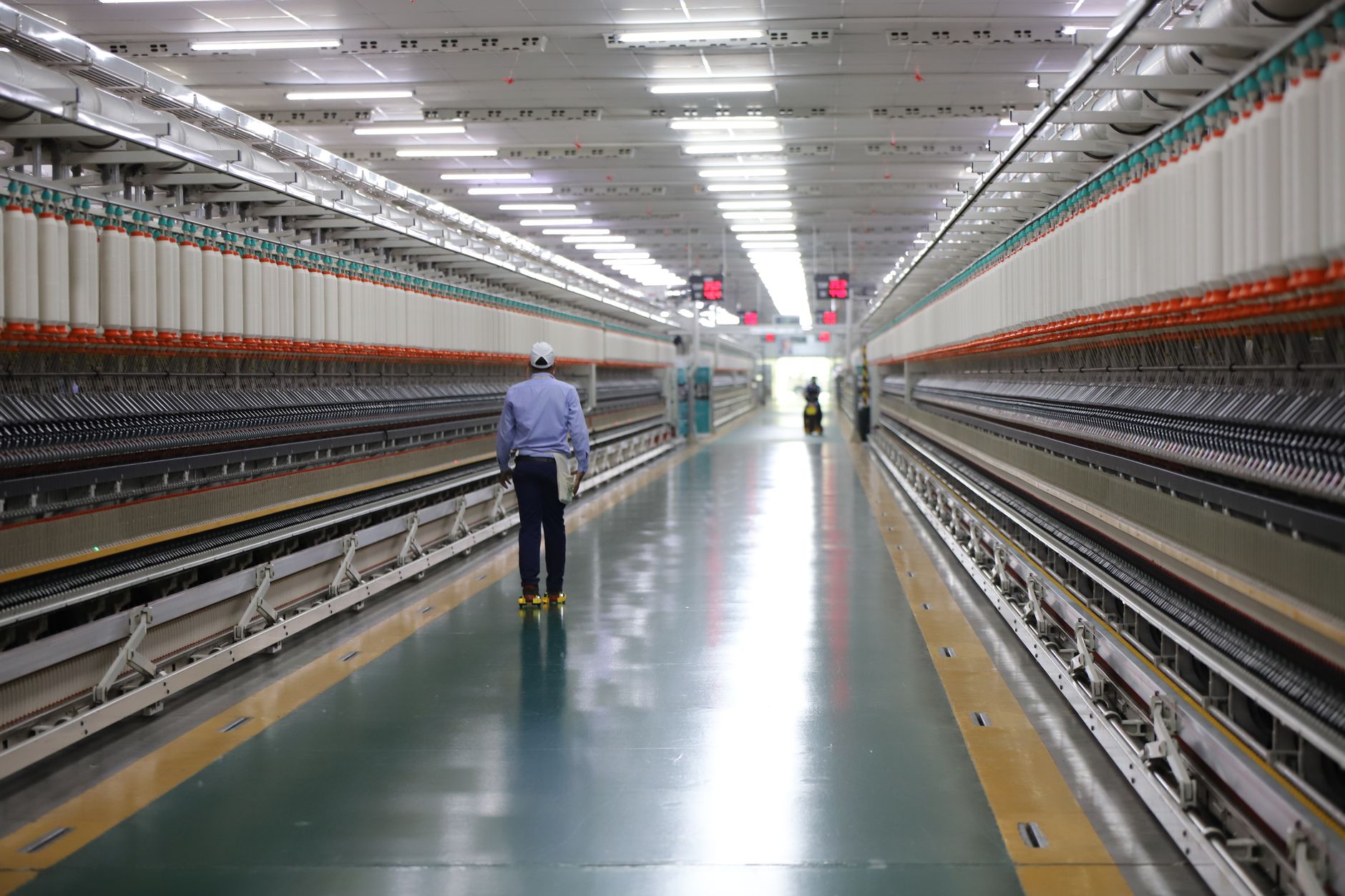
Chinese hardware manufacturer Elite Robots officially initiated the phased global rollout of four CE-compliant mobile units on September 30, according to corporate announcements published via PR Newswire and FinancialContent. The new ELITEMISSION product portfolio merges autonomous mobile robot chassis directly with articulated robotic manipulators, headlined by the heavy-duty MC500-12 and the compact DC300-06 models. By securing European Conformity certification prior to broad commercial release, the Shanghai-headquartered firm bypasses the laborious regulatory friction that typically stalls hardware deployments inside Western European manufacturing facilities. This rollout signals a broader industrial transition away from custom-built, site-specific factory retrofits toward standardized, off-the-shelf mobile automation platforms designed for immediate operational deployment.
Industrial automation inside modern manufacturing facilities has historically been hindered by the technical friction of combining fixed robotic arms with autonomous transport vehicles. Factory managers routinely spent months working with third-party system integrators to marry mobile bases from one vendor with multi-axis arms from another, creating custom software bridges and safety loops. This fragmented engineering model inflated upfront capital expenditures while extending commissioning timelines across semiconductor, automotive, and clean energy production lines. Elite Robots is directly targeting this structural bottleneck by offering a single, pre-validated hardware platform that unifies mobility, manipulation, and safety compliance under one commercial ecosystem, drastically reducing time to value for plant operators.
The architectural design of the ELITEMISSION lineup enables a single autonomous unit to service multiple isolated workstations without requiring expensive modifications to existing facility layouts. According to official product documentation, the heavy-duty MC500-12 is engineered for demanding CNC machine loading, structural component transfer, and heavy raw material transport across wide plant floors. Meanwhile, the smaller DC300-06 targets precision electronics handling, semiconductor wafer transfer, and intricate assembly tasks where floor space is tightly constrained. By combining autonomous fleet navigation with flexible mechanical handling, these hybrid systems allow industrial facilities to eliminate redundant stationary hardware while maintaining exceptionally high asset utilization rates throughout daily shifts.
For venture capital investors and robotics founders, this product expansion highlights how early regulatory clearance is becoming a critical competitive moat in physical AI. Developing advanced navigation algorithms and high-torque actuators is no longer sufficient to secure major enterprise contracts inside conservative European markets. Plant managers facing systemic labor shortages remain reluctant to deploy uncertified autonomous machinery into shared human-robot workspaces due to strict local regulatory liability frameworks. Hardware startups that embed regional compliance standards into unified mobile platforms from initial design will capture enterprise market share far faster than those offering piecemeal components that require expensive post-hoc integration.
Over the next 12 months, the arrival of pre-certified mobile manipulators will force established Western robotics vendors to accelerate their integrated hardware roadmaps to defend their market position. As physical hardware becomes increasingly standardized around international safety certifications, long-term enterprise differentiation will shift toward advanced fleet orchestration software, vision-based spatial intelligence, and rapid workflow adaptation. Manufacturing plants will progressively dismantle fixed conveyor systems in favor of flexible, self-navigating mobile manipulators capable of shifting between distinct production lines in under an hour. Companies that fail to deliver pre-compliant, unified mobility platforms will rapidly lose relevance in tomorrow's modular factories.
 The Future FrontBe on the cover.Twice a month we put the people shaping what's next on our cover.Apply for the cover