ABB Supplies BMW With 1,700 Robots for EV Transition
BMW contracts ABB for 1,700 industrial robots to automate body shop and assembly lines for its Neue Klasse electric vehicle platform.
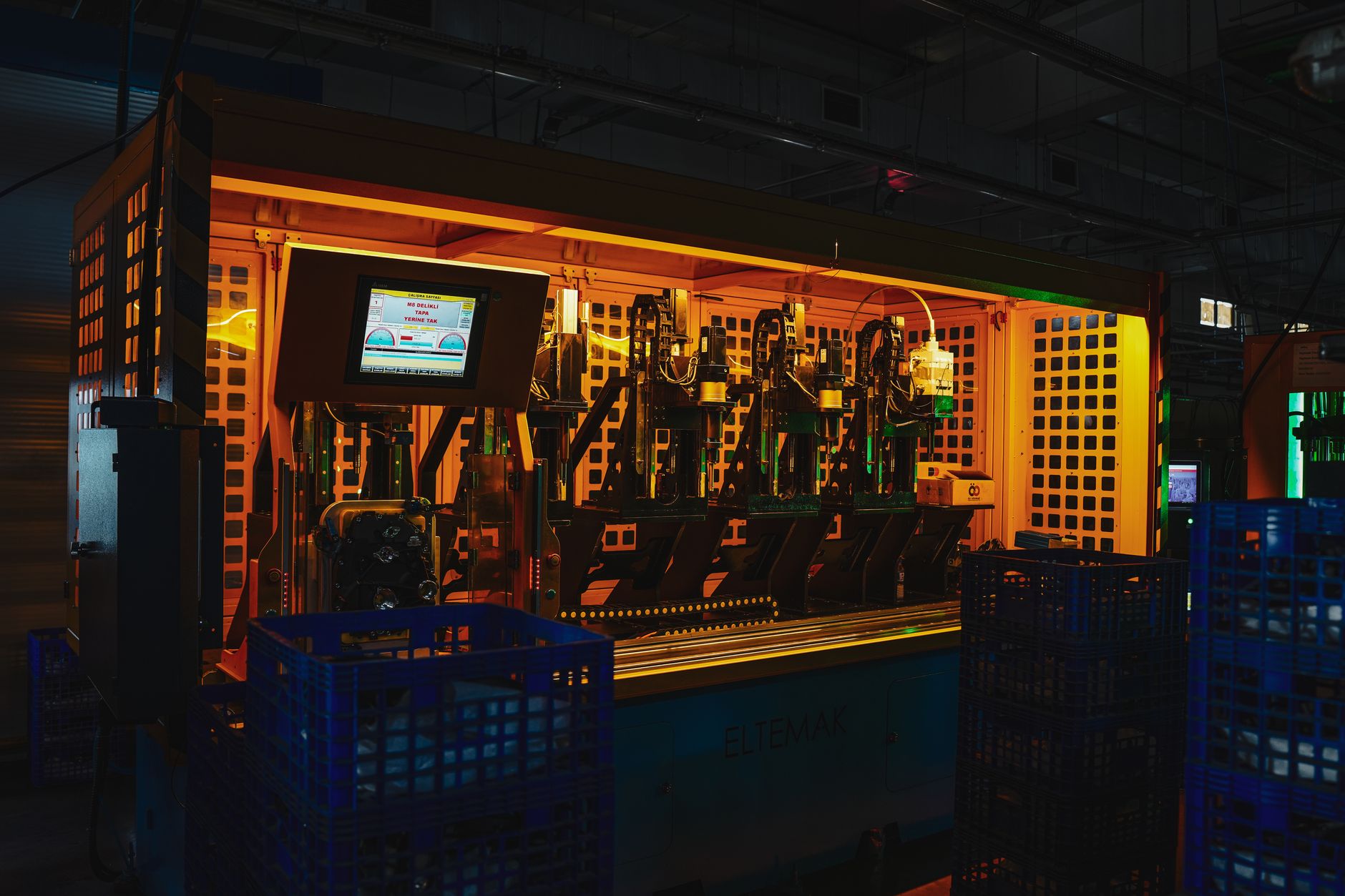
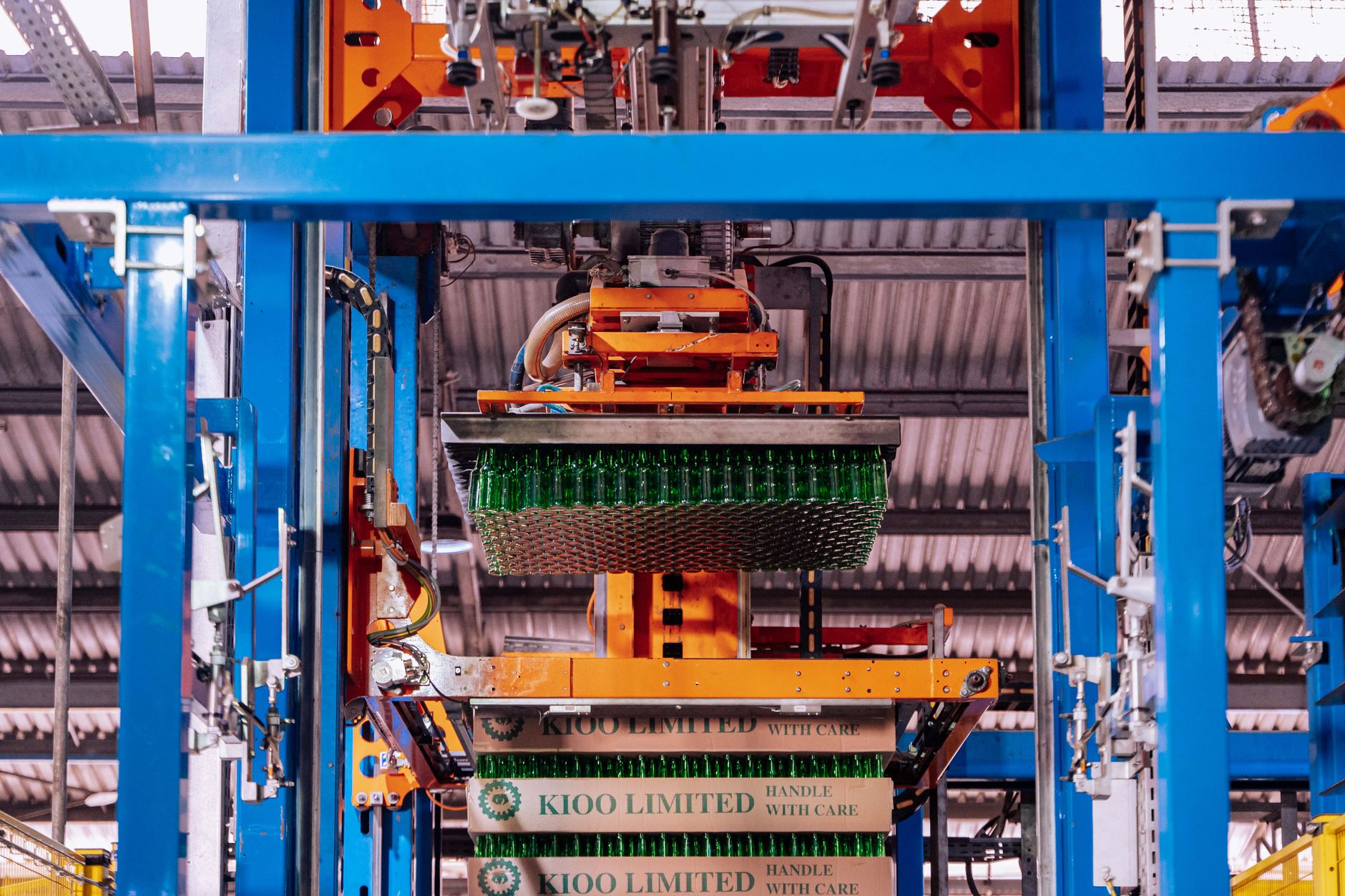
ABB Robotics has signed an agreement to supply over 1,700 industrial robots to the BMW Group for its Neue Klasse electric vehicle architecture, according to an official announcement from ABB. The contract spans major manufacturing hubs, deploying specialized robotic units across BMW’s primary plant in Munich, Germany, and its Tiexi facility in Shenyang, China. These heavy-duty industrial systems will perform high-precision tasks across body shop, assembly, and internal logistics operations, including automated welding, structural gluing, riveting, and component mounting. The deal expands a long-term automation partnership between the two industrial companies that dates back to 2009. The new systems are designed to operate continuously while integrating directly with BMW's digital factory network. By securing this volume order, ABB cements its position as a primary hardware supplier for BMW's transition toward electric vehicle manufacturing.
The scale of this hardware deployment reflects how traditional vehicle manufacturers are making major capital investments to retool existing factory floors for dedicated battery-electric platforms. Rather than making incremental modifications to existing internal combustion production lines, legacy automotive brands are redesigning their factory layouts to achieve higher throughput and operational flexibility. Upgrading production facilities simultaneously in Europe and Asia highlights the global coordination required to launch next-generation vehicular platforms. As global regulatory deadlines approach, automotive leaders must convert legacy assembly halls into highly automated centers capable of rapid model adaptation. For established automakers, building flexible manufacturing environments is critical to defending market share against specialized electric vehicle competitors. These sustained capital commitments confirm that physical infrastructure retooling remains a core requirement for scaling global electric vehicle production.
According to technical details provided by ABB, the deployed units operate using the company's OmniCore control platform to maximize motion speed and path accuracy across complex assembly sequences. Joerg Reger, automotive business line manager at ABB Robotics, stated that the collaboration aims to build flexible and future-proof production facilities while delivering measurable reductions in factory energy consumption. The OmniCore system incorporates built-in energy recovery technology that captures power during deceleration phases and feeds it back into the facility's electrical grid. By combining precise mechanical movement with integrated digital software controls, the system allows plant operators to adjust assembly lines dynamically whenever production requirements change. This high-frequency data feedback loop allows engineers to monitor equipment health and minimize unmanaged factory downtime.
For venture capitalists and hardware founders, this major procurement highlights the persistent demand for specialized, high-payload industrial automation in heavy manufacturing. While early-stage investors have focused heavily on general-purpose humanoid robots and artificial intelligence software, incumbent carmakers continue to rely on proven, single-purpose industrial arms with verified uptime metrics. Startups building physical automation products must demonstrate seamless compatibility with established plant control systems, strict safety compliance, and energy optimization to win enterprise contracts. Consequently, emerging robotics companies may find faster commercial traction by providing specialized sub-systems or software layers rather than attempting to replace primary robotic hardware. While platform shifts create niche opportunities for computer vision and warehouse logistics software, core body shop assembly remains dominated by mature hardware vendors with extensive system integration experience.
Over the next 12 months, the installation of these 1,700 robotic arms at the Munich and Shenyang facilities will serve as a live testing ground for energy-efficient, software-defined industrial automation. Enterprise buyers across the automotive sector will track early performance data to determine whether regenerative power controllers deliver meaningful operating cost reductions at full factory capacity. Competing robotics vendors will likely accelerate their own integrated controller releases to meet rising corporate standards for factory energy efficiency. Ultimately, this capital commitment confirms that success in the next phase of electric vehicle manufacturing will depend as much on shop-floor efficiency as on battery chemistry. As BMW prepares for commercial Neue Klasse vehicle assembly, the operational output of these retooled plants will set the baseline for how traditional OEMs approach high-volume factory automation through 2027.
 The Future FrontBe on the cover.Twice a month we put the people shaping what's next on our cover.Apply for the cover