Clean Energy Outruns the Trade Wars
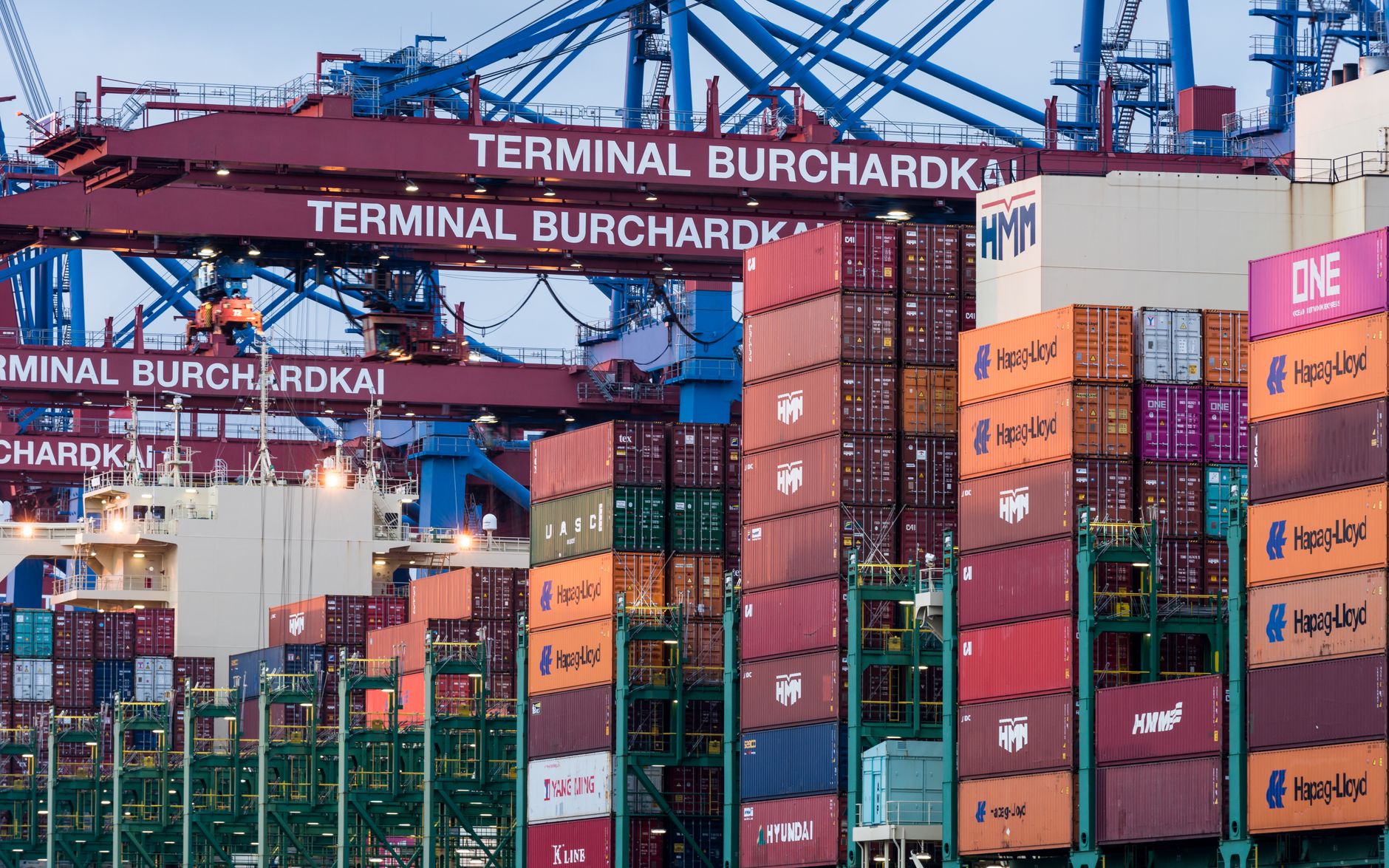
Geopolitical friction is failing to halt the energy transition as market economics decouple from political volatility.

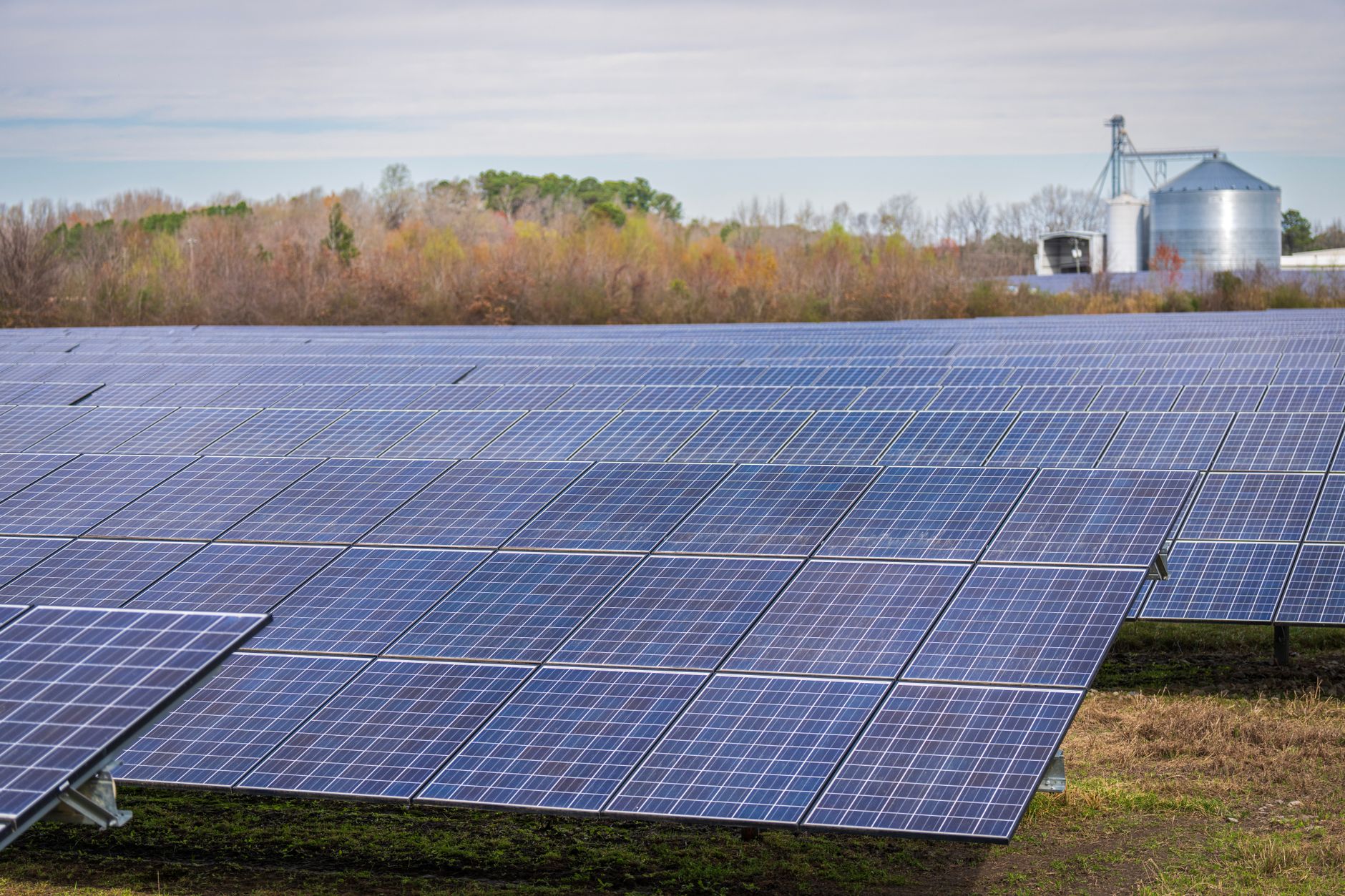
Global energy markets are decoupling from political volatility at a speed that has caught policymakers off guard. BloombergNEF projections show that the world is on track to install 4.5 terawatts of new wind and solar capacity over the next five years, marking a 67 percent surge compared to the previous five-year period. This massive expansion is occurring despite escalating trade barriers, national security tariffs, and fractured global supply chains. The underlying message is clear: the transition to clean energy is no longer driven by political goodwill, but by cold, hard economics.
Nowhere is this decoupling more evident than in the United States, where policy momentum has shifted away from federal climate mandates. Even under highly challenging policy conditions, the US is projected to install 336 gigawatts of wind, solar, and storage between 2026 and 2030. While this represents a reduction from earlier, more optimistic forecasts, it proves that local political shifts can only slow, not stop, the deployment of cheap clean power. For climate tech founders, this resilience demonstrates that market demand has achieved self-sustaining momentum.
The sheer scale of a 4.5-terawatt expansion means that solar and wind will nearly double their global footprint by the end of the decade. This growth is anchored by the plummeting cost of solar PV, which remains the cheapest source of new electricity in most of the world. Even as governments try to protect domestic manufacturing through aggressive tariffs, developers are finding workarounds to secure supply. The sheer cost advantage of renewable generation has built a defensive moat that political fragmentation cannot breach.
For venture capital and tech founders, the narrative must now shift from generation to integration. With a historic wave of variable power entering the grid, the most valuable opportunities are no longer in building hardware, but in managing volatility. Massive demand is opening up for grid integration software, distributed energy resource management, and long-duration storage technologies. Investors who focus on the infrastructure bottlenecks rather than just energy generation are positioned to capture the highest margins.
Over the next twelve months, expect a capital reallocation toward software and physical systems that solve grid congestion. As interconnection queues choke under the weight of these new gigawatts, regulators will be forced to streamline grid access rules. Smart developers will increasingly bypass traditional grid constraints by co-locating industrial operations directly with renewable generation. The transition is no longer a policy experiment, but an industrial inevitability that will redefine the global energy map by 2027.
 The Future FrontBe on the cover.Twice a month we put the people shaping what's next on our cover.Apply for the cover