Clean Energy Is Having Its Breakout Year
The U.S. is set to add 86 GW of clean energy in 2026, a 62% jump over last year's record, and the market is doing it without Washington's help.
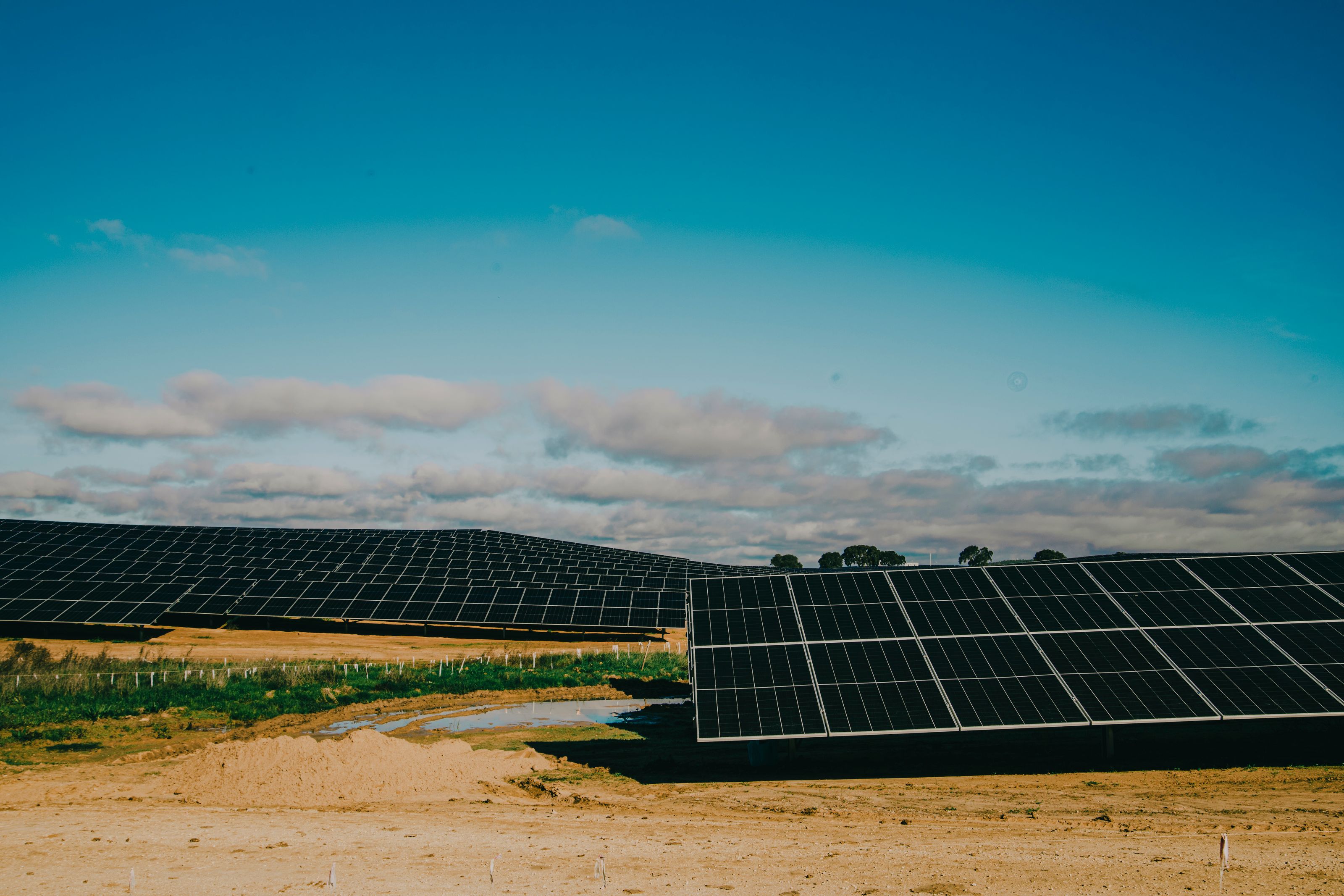
The U.S. energy grid is about to rewrite its own record books. According to the Energy Information Administration's latest Preliminary Monthly Electric Generator Inventory, developers plan to bring 86 gigawatts of new utility-scale capacity online in 2026. That figure would obliterate the previous single-year record of 53 gigawatts set in 2025, a 62% jump in just twelve months. Solar leads the charge at 43.4 gigawatts, or roughly 51% of the total, with battery storage and wind rounding out the remaining clean energy build-out.
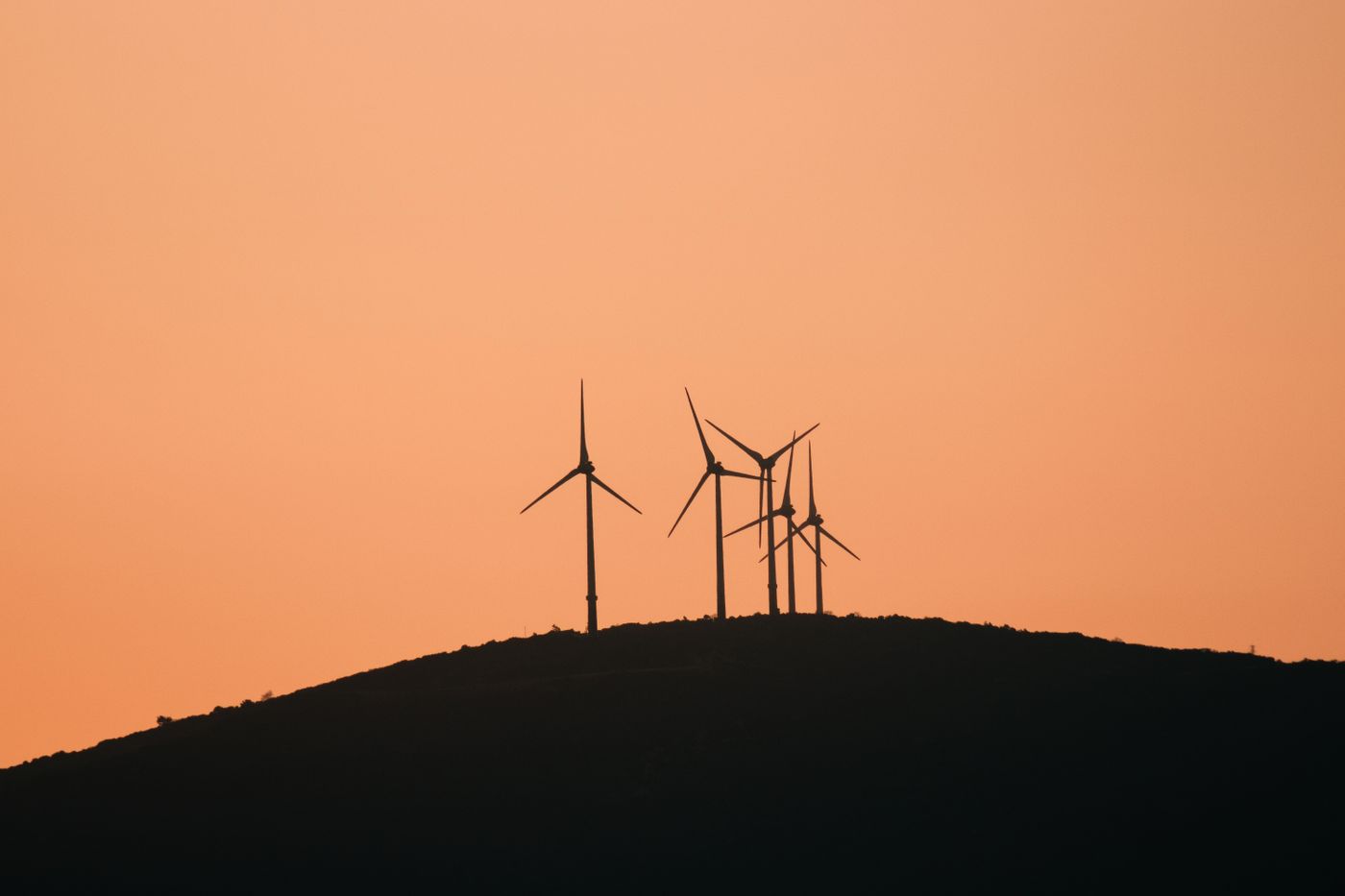
What makes 2026 structurally different from prior milestone years is where the momentum is coming from. This is not a policy-driven sprint. Federal clean energy incentives have faced sustained political pressure, yet deployment is accelerating regardless. Market economics, falling hardware costs, and corporate power purchase agreements are doing the heavy lifting. Texas dominates solar additions while offshore wind projects off Massachusetts and Rhode Island push into new geography. The build is broad, and it is not waiting for Washington to get its act together.
The global picture reinforces the thesis. IRENA data shows wind energy additions globally reached a record 158.7 gigawatts in 2025 alone, a 14% increase year over year. Renewable hydropower grew by 18.4 gigawatts in 2025, two and a half times the prior year's increase. These are not incremental gains. They represent a compounding deployment curve that is starting to behave less like a growth market and more like a mature infrastructure rollout at speed.
For founders and investors, the 86 gigawatt figure is a forcing function. That volume of new generation capacity does not slot cleanly into existing grid infrastructure. It creates acute demand for transmission upgrades, grid-scale storage, interconnection software, and demand-response platforms. Every gigawatt of solar that comes online without adequate storage or grid intelligence is a problem waiting to be solved, and that problem is now scaled to a size that justifies serious capital. Climate tech investors who have been waiting for deployment to hit critical mass have their data point.
Over the next twelve months, the constraint shifts from generation to integration. The record capacity additions of 2026 will stress-test grid infrastructure in ways that expose the next layer of investable problems: interconnection queues, voltage instability, and the software stack needed to manage a fundamentally more distributed and variable supply mix. Founders building in grid intelligence, virtual power plants, and long-duration storage are now operating in a market where the urgency is real and the paying customers are utilities under pressure. The energy transition just became a logistics problem, and logistics problems get solved with software and capital.
 The Future FrontBe on the cover.Twice a month we put the people shaping what's next on our cover.Apply for the cover