Apple's Living Room AI Bet Is Almost Here
Apple has been sitting on finished hardware for months, waiting for Siri to catch up. That wait is almost over.
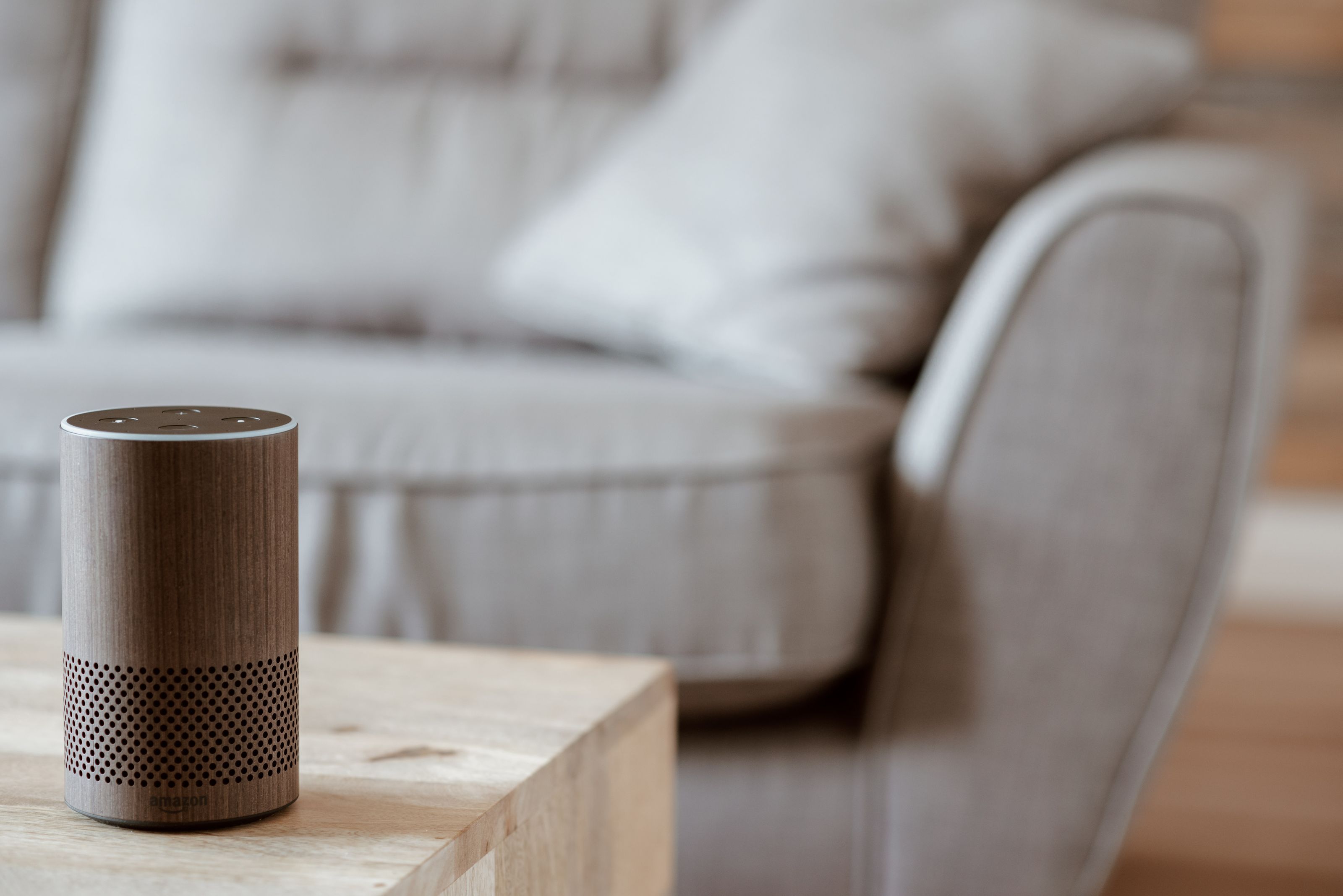
Apple's next Apple TV 4K and HomePod Mini are, by multiple credible accounts, physically ready to ship. They have been for months. The holdup is not silicon or supply chain. It is software. Apple is deliberately timing the launch to coincide with the release of next-generation Siri in iOS 27, treating the living room hardware as a delivery vehicle for an AI moment rather than a routine spec bump. That strategic patience tells you everything about how Apple views the smart home category right now.
The broader context matters here. Amazon and Google, both of whom moved fast and built large installed bases in the smart speaker and streaming device markets, have spent the last two years quietly retreating. Amazon gutted its Alexa and devices division in late 2023. Google has deprioritized Nest hardware investment. The battlefield is thinning out at exactly the moment Apple is ready to escalate. Matter and Thread, the interoperability protocols the industry spent years arguing about, have now matured enough that a well-positioned hub device can actually do something useful with them. Apple's timing, intentional or not, is good.
According to Bloomberg's Power On newsletter, the new Apple TV and HomePod Mini updates are tied directly to the release of a more personalized version of Siri, with both devices described as having been ready "for months" while Apple holds the launch. Leaked reporting from Notebookcheck and MacRumors corroborates that the Apple TV will feature a significantly more powerful chip, enabling on-device AI processing in the living room rather than routing requests through the cloud. A redesigned Siri Remote is also in the mix, suggesting Apple is rethinking the input layer entirely as voice and gesture controls start to converge in consumer expectations.
The HomePod Mini refresh carries arguably more strategic weight than the Apple TV update. Smart speakers have become commoditized to the point of near-irrelevance, with Alexa-enabled devices selling at razor-thin margins and Google Home hardware losing market mindshare. Apple Intelligence, if it delivers on the ambient, context-aware Siri experience the company has been previewing, could reframe what a smart speaker is actually for. Cult of Mac reporting describes the next Siri understanding multi-step natural language commands such as "set the house for bedtime," with the system automatically managing lights, locks, thermostats and security. That is not a feature. That is a product category redefinition, if Apple can execute it reliably.
For founders and investors paying attention to the home automation and ambient computing space, the implications are sharp. Apple controlling the hub layer, the voice interface and the on-device inference chip in a single product creates a platform lock-in opportunity that rivals cannot easily replicate. Third-party HomeKit accessory makers stand to benefit from renewed consumer interest in Apple-native smart home setups. But developers building Alexa skills or Google Home integrations should be watching their engagement metrics closely. Platform gravity shifts slowly until it shifts fast, and Apple is about to push hard.
 The Future FrontBe on the cover.Twice a month we put the people shaping what's next on our cover.Apply for the cover


