AMD Bets £2bn on UK AI at London Tech Week
AMD just committed £2bn to UK AI infrastructure. Here's what that signals for enterprise compute in H2 2026.
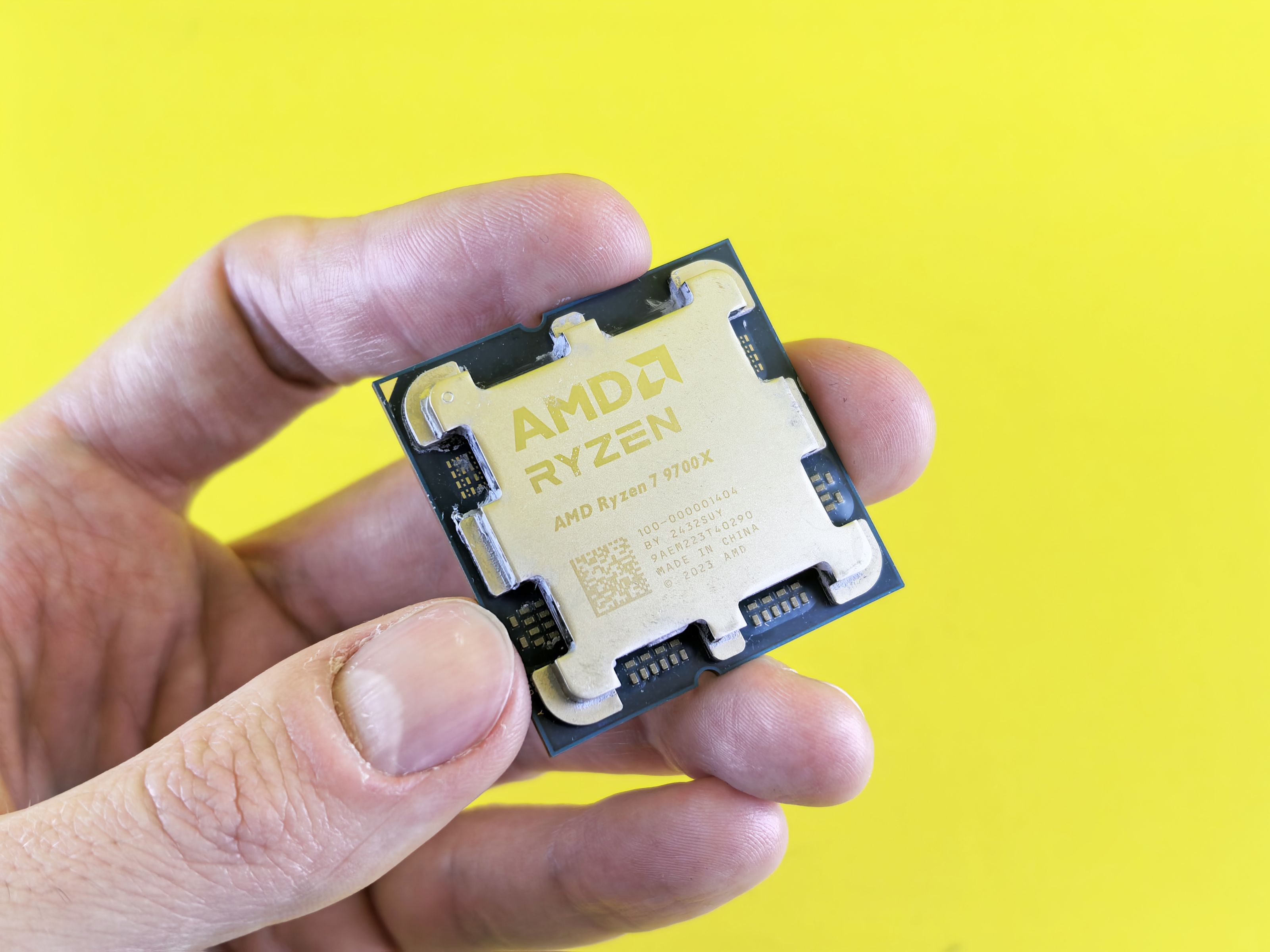
London Tech Week 2026 is not a conference. It is a capital allocation event. AMD CEO Dr. Lisa Su took the stage this week to announce a commitment of up to £2 billion over five years for UK AI and high-performance computing infrastructure, the single largest corporate pledge at the festival so far. Prime Minister Keir Starmer opened proceedings with a £400 million government plan to purchase specialist AI chips and expand national compute capacity. With 30,000 attendees converging on London from 8 to 12 June, the message from both industry and government is identical: the compute layer is where the real AI race is being fought.
The framing of this year's agenda, built explicitly around "Building the Compute Foundation for the AI Era," is not accidental. After two years of software-layer AI hype, the investment narrative is visibly shifting toward the physical stack: chips, data centres, and the energy infrastructure to run them. Starmer's pitch to keep British firms able to "start here, scale here and stay here" reflects a broader policy anxiety across Europe about sovereign compute capacity. London Tech Week is functioning as the public stage where that anxiety gets translated into committed capital.
Dr. Su has been consistent on one point across CES 2026 and now London Tech Week: the AI hardware cycle is still in its early innings. Speaking this week, she described how the AMD portfolio spanning EPYC processors, Instinct GPUs, and Ryzen AI PCs is being positioned to serve every layer of enterprise AI deployment, from data centre acceleration to edge inference. Her caveat carries weight too. "We are still so early in the process," Su told the audience, a signal that current infrastructure commitments are not a ceiling but a floor. For investors tracking semiconductor exposure, that framing matters.
The implications for founders building on AI infrastructure are immediate. When a chip manufacturer commits £2 billion to a single market in a single week, it reshapes procurement timelines, partner ecosystems, and regional pricing dynamics for everyone building above the hardware layer. Enterprise buyers at the event are not passive observers, they are being actively courted with roadmap visibility and partnership terms. Deal flow announced this week will quietly set the competitive terms for UK and European AI startups through the end of 2026 and into 2027.
Over the next twelve months, expect the London Tech Week announcements to accelerate a bifurcation in the European AI market. Companies with direct access to high-performance compute, through partnerships, government programmes, or deep-pocketed backers, will pull further ahead of those still bottlenecked by infrastructure constraints. The UK government's chip purchasing programme will drive follow-on procurement decisions across the public sector. And AMD's £2 billion commitment will pressure rivals to match it with their own regional pledges, turning European compute infrastructure into a competitive battleground that no serious AI investor can afford to ignore.
 The Future FrontBe on the cover.Twice a month we put the people shaping what's next on our cover.Apply for the cover


