Humanoid Robots Find a Public Price Tag
Agility Robotics goes public at $2.5 billion, giving physical AI startups their first liquid valuation benchmark.

Agility Robotics has agreed to list on Nasdaq through a merger with Churchill Capital XI at a post-money valuation of $2.5 billion. According to regulatory disclosures and deal term sheets, the transaction generates roughly $465 million in total gross proceeds, supported by a $200 million private placement led by Foxconn alongside existing backers Nvidia, Amazon, and SoftBank Group. The deal grants public equity markets their first dedicated entry point into full-scale humanoid hardware. Moving under the ticker symbol AGLT, the Oregon-based startup transitions from private venture balance sheets into public quarterly reporting. It sets an immediate public floor for how Wall Street prices physical artificial intelligence platforms against traditional industrial automation manufacturers.
The public listing arrives at a decisive moment for physical AI, where capital intensity and long hardware iteration cycles test private venture balance sheets. While software models scale through cloud compute, bipedal robots require heavy capital expenditures in precision manufacturing, warranty support, and field maintenance. Agility has raised capital continuously to support its hardware pipeline, moving from early prototypes to commercial fleet management. Existing venture investors are seeking exit liquidity, while early industrial enterprise customers demand long-term balance sheet durability before signing multi-year deployment contracts. By securing public growth capital now, Agility shifts its narrative from early technical feasibility to continuous operational performance across active fulfillment centers.
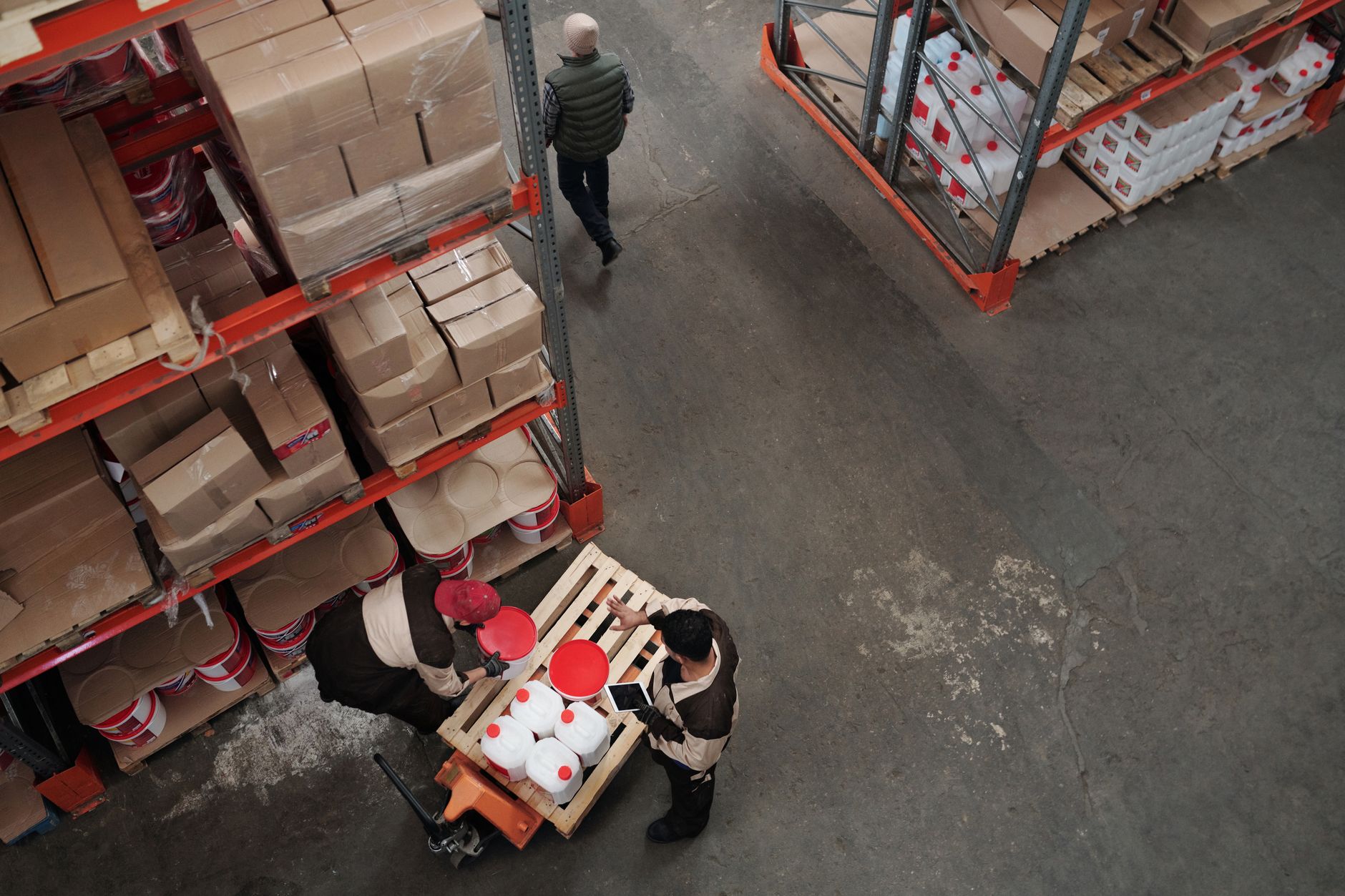
Field data now replaces early simulation figures as the core metric for evaluating humanoid platform utility. Agility reports that its Digit hardware has logged more than 65,000 operational hours across active customer logistics operations. Commercial deployments include major logistics and industrial operators such as GXO Logistics, Schaeffler, Toyota Motor Corporation in Canada, and Mercado Libre. Furthermore, the company has accumulated over $300 million in orders for its fifth-generation Digit system, with more than 30 enterprise clients currently conducting pilot trials for broader facility rollouts. These contracts prove that warehouse operators view autonomous bipedal units as real labor augmentations rather than experimental novelties in high-throughput fulfillment environments.
For venture capitalists and startup founders, Agility's public market debut establishes a concrete valuation benchmark for physical hardware platforms. Until now, private valuations for humanoid companies rested on speculative multiples derived from enterprise software benchmarks. Public equity markets will assess Agility on hardware margins, unit manufacturing costs, and long-term service maintenance revenues. If AGLT maintains its $2.5 billion valuation, private capital will continue flowing into mid-stage robotics startups pursuing specialized industrial tasks. However, if public markets discount the stock due to hardware margin compression or slow customer expansion, private valuations across the entire physical AI sector will face immediate downward pressure.
Over the next twelve months, the primary test for Agility and its public peer group will center on unit economics and production scaling. As Foxconn brings its manufacturing expertise to Digit's assembly lines, production costs must decline sharply to enable positive gross margins per unit delivered. Competitors like Boston Dynamics, Figure, and Tesla will monitor Agility's public disclosures to evaluate real-world hardware depreciation and uptime costs. If Agility converts its $300 million order pipeline into recurring deployment revenue, it will validate public equity markets as a viable financing path for deep tech hardware. The coming year will show whether public investors have the patience required for physical automation hardware.
 The Future FrontBe on the cover.Twice a month we put the people shaping what's next on our cover.Apply for the cover