Factory Automation Surges as Q3 Robot Orders Hit $723M
North American companies bought nearly 11,000 industrial robots in Q3 2026, signalling a sharp pivot from pilot trials to full fleet deployments.
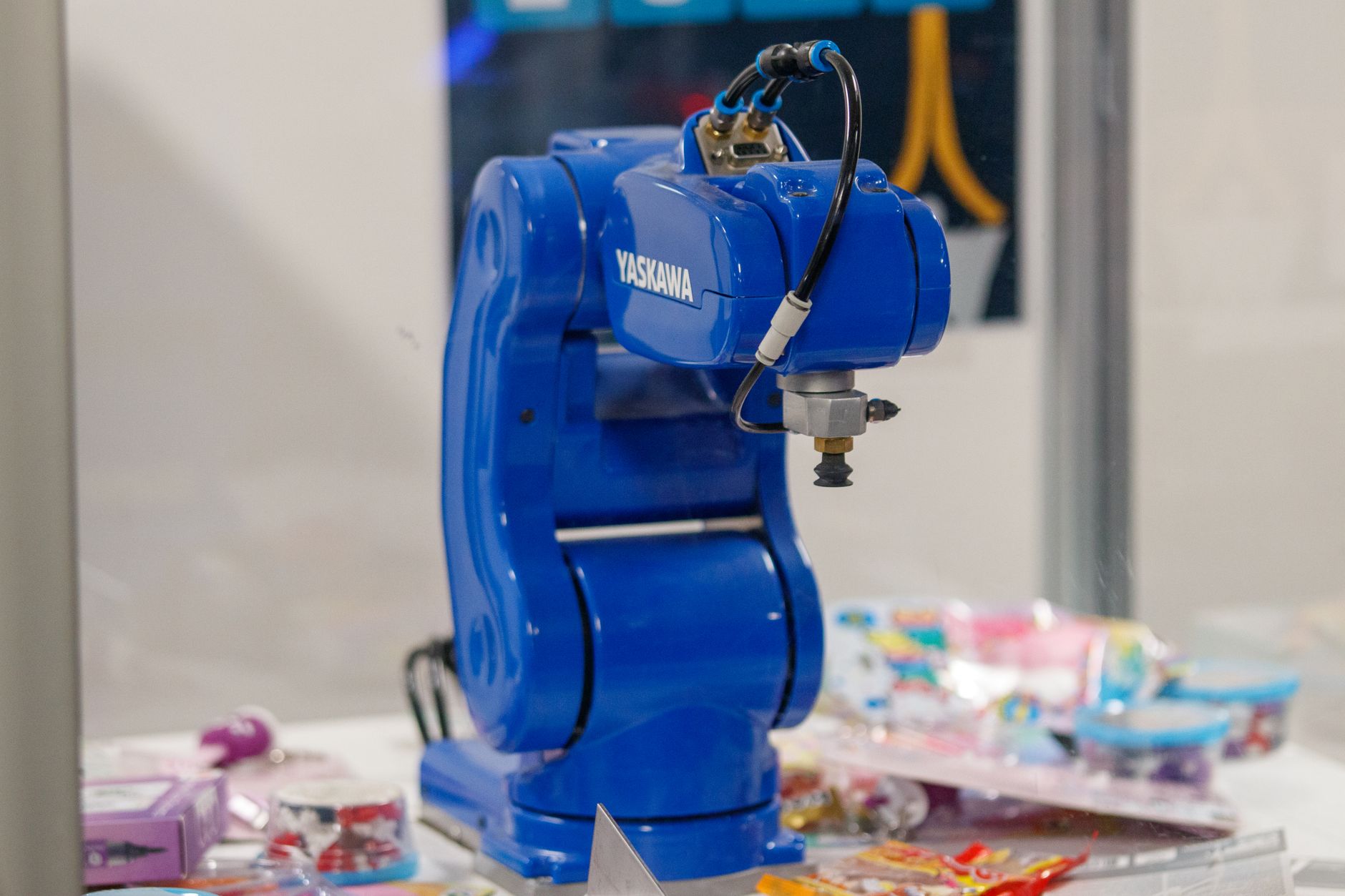
North American enterprise buyers purchased 10,989 industrial robots valued at $723.5 million in the third quarter of 2026, according to new market figures from the Association for Advancing Automation. The total represents a 24.8 percent increase in unit volume and a 26.1 percent rise in dollar value compared to the same period in 2025. This sharp quarter-over-quarter uptick signals that industrial customers are finally moving beyond cautious single-cell trials and committing capital to full fleet deployments. After four quarters of stagnant hardware spending, factory floors across the United States, Canada, and Mexico are aggressively expanding their physical automation footprints. The quarterly data marks the strongest purchasing performance for North American industrial robotics hardware in over two years.
The sudden rebound follows a prolonged chill in industrial capital expenditure that forced hardware startups to extend cash runways and trim forward revenue projections. Throughout the first half of 2026, high interest rates and uncertain consumer demand caused procurement teams to freeze non-essential factory upgrades and delay contract renewals. Automotive original equipment manufacturers led that initial pullback, holding back major orders until product roadmaps and supply chains stabilized. However, persistent labor shortages in critical manufacturing hubs and rising wage pressures have made manual operations increasingly unsustainable for mid-market suppliers. Factory operators now view automated hardware not as an optional efficiency play, but as a necessary operational hedge against labor volatility.
The Association for Advancing Automation data highlights a clear shift toward flexible, easy-to-deploy hardware designs across non-automotive sectors. Collaborative robot orders rose 56 percent year-over-year to 1,831 units worth $63.8 million, now representing 16.7 percent of total quarterly volumes. Meanwhile, orders from automotive component suppliers surged 90.4 percent as sub-tier vendors rushed to retool production lines for complex electric vehicle components and modular assemblies. Strong ordering activity also emerged from semiconductor fabs, biopharmaceutical packaging operations, and rubber and plastics processors. These specialized facilities are adopting high-precision robotic arms to increase throughput and reduce contamination risks in controlled cleanroom environments.
For commercial robotics founders and venture capital investors, the quarter's purchasing surge changes the market narrative around hardware monetization. Emerging companies that spent two years surviving on software micro-subscriptions now face customer demands for rapid multi-unit hardware deliveries. However, industrial buyers are demonstrating little patience for unproven platforms, demanding guaranteed operational uptime and seamless integration with legacy programmable logic controllers. Venture capital partners will likely shift investment back toward end-to-end automation systems that combine physical durability with robust fleet management software. The emerging leaders will be those capable of managing complex physical deployments without blowing up their operational margins.
Over the next 12 months, the operational bottleneck in industrial automation will shift from hardware procurement to system integration and fleet orchestration. As thousands of newly ordered cobots and heavy industrial manipulators arrive on factory floors, facility managers will struggle to harmonize fragmented software systems across disparate vendor platforms. This friction will create immediate market opportunities for venture-backed startups developing universal control layers, predictive maintenance models, and real-time spatial simulation software. Industrial incumbents will likely execute targeted acquisitions of specialized software firms to strengthen their digital ecosystems before this current capex expansion cycles down.
 The Future FrontBe on the cover.Twice a month we put the people shaping what's next on our cover.Apply for the cover